
Photo by thebittenword.com on Openverse
If you have ever wondered why some people seem to lose weight, digest food comfortably, and keep their energy steady without chasing the latest diet trend, the answer often starts in the gut. A healthy digestive system affects far more than bathroom habits. It influences cravings, inflammation, metabolism, mood, immunity, and even how satisfied you feel after a meal. That is why organic food, clean eating, and a thoughtful approach to nutrition can make such a noticeable difference in daily life.
Organic foods are not a magic fix, but they can be a powerful foundation for a healthier routine. When your plate is built around whole ingredients, fewer additives, and foods that naturally support the microbiome, your body often responds with better digestion and more consistent energy. For anyone interested in weight loss, a calmer stomach, or a cleaner approach to eating, gut health is one of the smartest places to start. Have you ever noticed that when you eat more simply, you feel lighter in every sense of the word?
This guide explores how organic food supports gut function, which ingredients deserve a place in a healthy diet, and how to turn that knowledge into practical meals you can actually enjoy. Whether your goal is a detox diet reset, more natural energy, or a sustainable path to weight loss, the key is not restriction. It is nourishment. And once you understand how to feed your digestive system well, the rest of your healthy lifestyle becomes much easier to maintain.
Why Gut Health Shapes Weight Loss and Daily Energy
The digestive system does more than break down food. It acts like a command center for how your body handles nutrients, stores energy, and communicates hunger. Your gut microbiome, which is the collection of bacteria and other microorganisms living in the intestines, helps process fiber, produce certain vitamins, protect the gut lining, and influence inflammation levels. When that ecosystem is balanced, your digestion tends to be smoother and your appetite more stable. When it is out of balance, bloating, sluggishness, and cravings can become part of everyday life.
That connection matters for weight loss. If your meals leave you overly hungry an hour later, if blood sugar swings trigger late-night snacking, or if discomfort causes you to reach for processed convenience foods, your gut may be part of the problem. A clean eating pattern built on organic food can help reduce the load of ultra-processed ingredients and give your body more of the nutrients it needs to function efficiently. It is not about perfection. It is about creating a digestive environment that works with you instead of against you.
Many people also underestimate the emotional impact of gut health. When digestion is unpredictable, it can affect sleep, confidence, and motivation. If you wake up bloated or feel heavy after meals, you are less likely to feel energized enough for exercise or meal prep. Over time, that can weaken healthy habits. This is why a nutrition strategy focused on gut support often helps people build a more sustainable healthy lifestyle.
Signs your gut may need support
Not every digestive issue is severe, but your body often gives clues when something is off. Have you experienced any of these patterns regularly?
- Frequent bloating after meals
- Irregular bowel movements
- Cravings for sugar or refined carbs
- Low energy after eating
- Feeling overly full from small portions
- Skin flare-ups or dull skin alongside digestive discomfort
- Brain fog, irritability, or poor focus
If several of these feel familiar, your body may be asking for a gentler, more nutrient-dense approach to food. That is where organic ingredients and clean eating can make a meaningful difference.
Why organic food can help the digestive system
Choosing organic food is not about fear; it is about reducing unnecessary inputs and focusing on quality. Organic produce is grown without most synthetic pesticides and is often handled with fewer artificial additives. While no single food category guarantees better digestion, many people find that switching to organic ingredients reduces exposure to residues they would rather keep low in a daily healthy diet.
Organic food can also make it easier to prioritize whole meals over packaged items. A cart filled with vegetables, fruits, legumes, seeds, yogurt, eggs, and whole grains naturally points you toward better nutrition. When your kitchen is stocked with foods that support the gut, you are more likely to cook at home, snack more thoughtfully, and keep your eating pattern aligned with weight loss goals without feeling deprived.
The Best Organic Foods for a Happier Digestive System
The best gut-friendly diet is not built around one miracle ingredient. It is built around variety, balance, and consistency. Different foods do different jobs: some feed beneficial bacteria, some soothe the digestive tract, some improve regularity, and some help you feel satisfied so you are not constantly reaching for snacks. Below are the organic foods that deserve the most attention if your goal is better digestion and a more resilient metabolism.
Fermented foods that support beneficial bacteria
Fermented foods are often the first thing people think about when gut health comes up, and for good reason. They can introduce live cultures that help diversify the microbiome. If you are new to them, start slowly. A little goes a long way, especially if your digestion is sensitive.
Organic yogurt and kefir
Plain organic yogurt and kefir can be excellent breakfast or snack options. They offer protein, calcium, and probiotics, especially when you choose unsweetened versions. Pair them with berries, chia seeds, or a spoonful of oats for a balanced option that supports satiety and weight loss.
Sauerkraut, kimchi, and miso
These are flavorful ways to add fermented variety to meals. Sauerkraut and kimchi can complement eggs, grain bowls, and roasted vegetables. Miso can create a warming broth or add depth to salad dressings and soups. Start with small servings, particularly if you are easing into a detox diet or trying to reduce bloating.
Fiber-rich organic vegetables
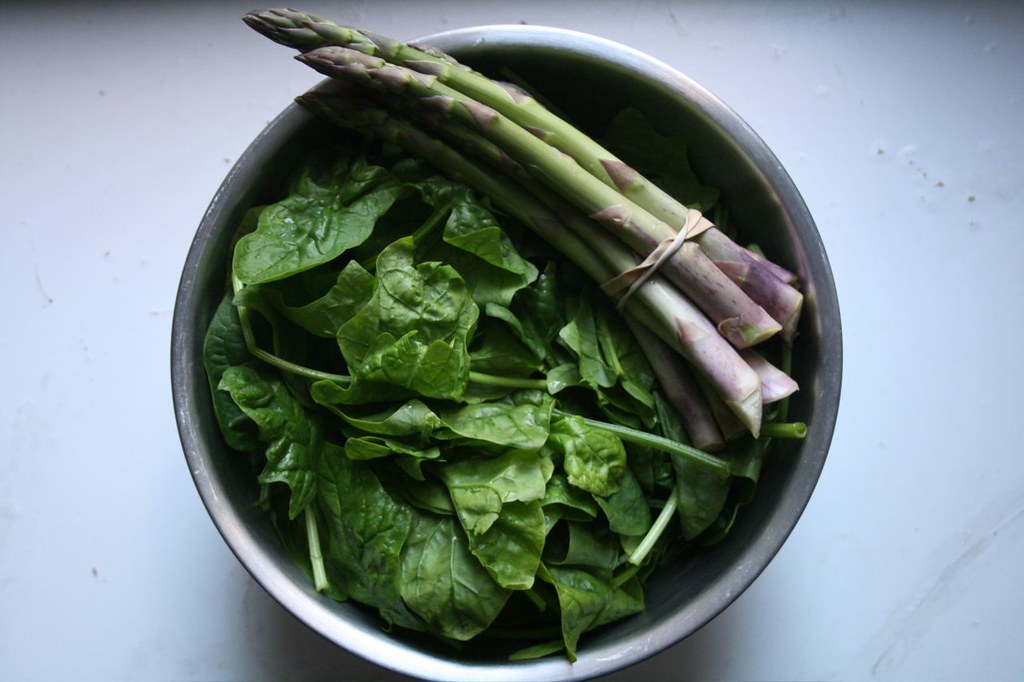
Fiber is one of the most important nutrients for gut health because it feeds beneficial bacteria and supports regular elimination. Organic vegetables are an easy way to increase your intake while keeping calories naturally moderate. Think leafy greens, broccoli, cauliflower, asparagus, Brussels sprouts, zucchini, carrots, and artichokes.
These foods also help with clean eating because they add volume, color, and texture to meals. A plate that is rich in vegetables often feels satisfying without becoming overly heavy. That balance is especially useful if you are pursuing weight loss and want meals that keep you full without pushing calories too high.
Prebiotic foods that feed the microbiome
While probiotics add beneficial cultures, prebiotics feed the bacteria already living in your gut. Organic onions, garlic, leeks, apples, oats, bananas, and Jerusalem artichokes are excellent examples. When you combine prebiotic and probiotic foods, you create a strong foundation for digestive resilience.
For example, an organic vegetable soup with onions and leeks, topped with a dollop of yogurt, can do more for your gut than a dozen random supplements. That is the beauty of a food-first nutrition strategy: it is simple, accessible, and usually more sustainable than complicated rules.
Low-sugar fruits with digestive benefits
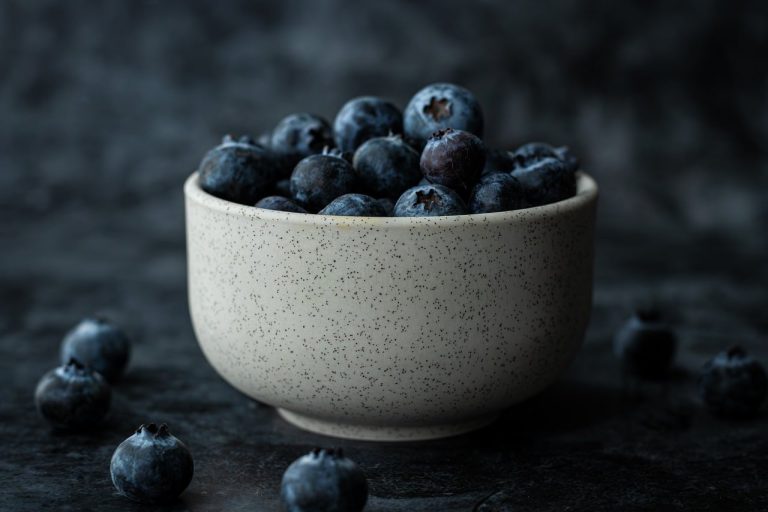
Not all fruit affects the body the same way. Organic berries, kiwi, citrus, and ripe bananas are especially useful in a gut-friendly healthy diet because they offer fiber, antioxidants, and natural sweetness without pushing sugar too high. Berries are particularly valuable if you are watching blood sugar or trying to reduce cravings. They give you flavor with far more nutritional value than most processed desserts.
Kiwi is an underrated choice for digestion because it contains both fiber and enzymes that may support regularity. If you want a sweet option that still fits a clean eating plan, these fruits are excellent everyday staples.
Healthy fats that help meals feel satisfying
Gut health is not just about fiber and probiotics. It also depends on how satisfied you feel after eating. Organic avocados, extra-virgin olive oil, walnuts, chia seeds, flaxseeds, and pumpkin seeds bring healthy fats into the picture, which can help stabilize appetite and support nutrient absorption.
Have you ever eaten a salad and felt hungry again in twenty minutes? The issue is often not the salad itself but the lack of fat, protein, or fiber. A little olive oil, a handful of seeds, or slices of avocado can turn a light meal into a truly nourishing one.
Herbs and spices that make digestion easier
Fresh herbs and spices do more than improve taste. Ginger, turmeric, mint, fennel, cinnamon, and parsley can support a digestive routine in subtle but meaningful ways. Ginger tea after meals may feel soothing. Turmeric can be paired with black pepper in soups or roasted vegetables. Mint and fennel are especially popular for calming the stomach after a heavy meal.
One of the simplest ways to elevate your healthy lifestyle is to cook with more flavor, not less. Organic herbs and spices make clean eating feel vibrant instead of bland, which makes it easier to stay consistent over time.
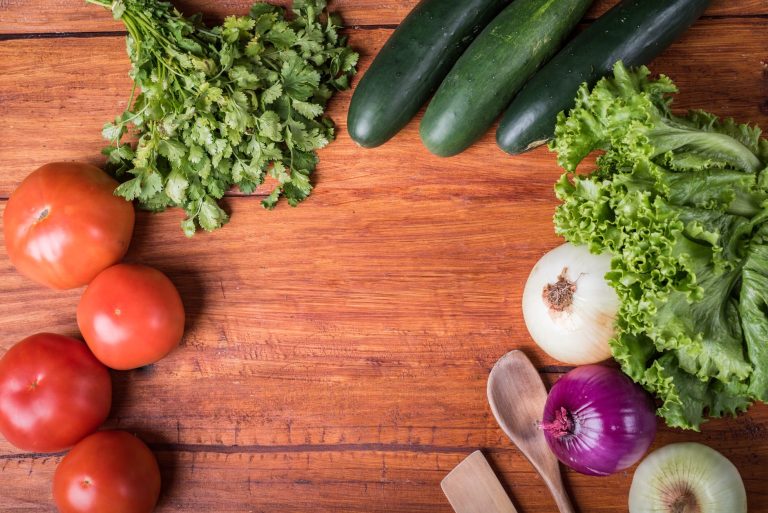
[IMAGE: organic vegetables]
How to Build a Clean Eating Plate That Supports Gut Health
The most effective healthy diet is one that feels satisfying enough to repeat. Rather than obsessing over strict rules, use a simple plate structure that naturally supports digestion, nutrition, and weight loss.
A balanced organic meal often looks like this:
- Half the plate: non-starchy vegetables
- One quarter: quality protein
- One quarter: fiber-rich carbohydrates or whole grains
- One small portion: healthy fats
This structure keeps meals steady and flexible. It also prevents the common mistake of eating too many refined carbs without enough protein or fiber. When meals are built this way, energy tends to stay more stable and digestion usually becomes easier to predict.
Breakfast ideas that feel light but filling
Breakfast does not need to be large to be effective. In fact, many people do better with a morning meal that is gentle on digestion and rich in steady energy. Try these combinations:
- Organic Greek yogurt with berries, chia seeds, and cinnamon
- Oatmeal with ground flaxseed, banana slices, and walnuts
- Eggs with sautéed spinach, tomatoes, and avocado
- Warm quinoa porridge with almond butter and blueberries
If your mornings are rushed, ask yourself a practical question: what can I prepare tonight that my future self will thank me for? The best clean eating habits are often the ones that save time without sacrificing nutrition.
Lunch and dinner ideas that support digestion
At lunch and dinner, focus on cooked vegetables, enough protein, and a comfortable serving of whole foods. A warm meal is often easier to digest than a heavily processed one, especially if you are trying to calm bloating or start a detox diet focused on real nourishment.
- Grilled organic salmon with roasted carrots and quinoa
- Chicken or chickpea bowl with greens, avocado, cucumber, and sauerkraut
- Lentil soup with leeks, celery, and parsley
- Stir-fried tofu with broccoli, garlic, ginger, and brown rice
- Turkey or bean lettuce wraps with a side of fermented vegetables
Notice that none of these meals rely on complicated ingredients. They are simple, colorful, and easy to adapt. That is exactly what a healthy lifestyle should feel like.
Smart snacks that will not derail your goals
Snacking is not the enemy. The issue is usually the type and timing of the snack. If you are genuinely hungry between meals, choose organic foods that support rather than destabilize your digestion.
- Apple slices with almond butter
- Plain kefir with cinnamon
- Carrot sticks and hummus
- Pumpkin seeds and a few berries
- Cucumber slices with guacamole
- A boiled egg with a small piece of fruit
The goal is not to eliminate snacking completely. It is to make sure each bite contributes to nutrition instead of creating another blood sugar roller coaster.
Detox Diet Strategies That Actually Help
The phrase detox diet is often misunderstood. Your liver, kidneys, lungs, skin, and digestive tract already work continuously to process waste. You do not need an extreme cleanse to support them. What you do need is a daily routine that reduces overload and gives your body the materials it needs to do its job well.
So what does a real detox-friendly approach look like? It is less about starvation and more about removing friction. That means fewer ultra-processed foods, less excess sugar, better hydration, enough fiber, and meals that are easier for your body to manage. When people talk about feeling lighter after a reset, this is usually what they mean: less digestive stress, better blood sugar control, and fewer inflammatory triggers.
Hydration with minerals matters more than juice cleanses
Water is essential, but hydration works best when it includes electrolytes and mineral-rich foods. Herbal teas, cucumber water, broth-based soups, and water-rich vegetables can help you stay hydrated without leaning on sugary drinks. If your digestion is sluggish, do not underestimate the effect of simply drinking enough fluids throughout the day.
Many people think a detox diet requires drinking only juices. In reality, that often leaves them hungry, tired, and more likely to overeat later. A better strategy is to eat fiber-rich organic food, sip water consistently, and use beverages that soothe rather than spike sugar intake.
Fiber is your cleansing ally
Fiber helps move waste through the digestive system and feeds the bacteria that support gut health. If your meals are low in fiber, a detox routine may not feel as effective. Add vegetables, legumes, seeds, berries, oats, and whole grains in manageable amounts. Increase slowly if your body is not used to them. A sudden jump in fiber can cause gas or bloating, which is why gradual change often works best.
Ask yourself: am I trying to cleanse my body, or am I trying to support it every day? That shift in mindset can make a huge difference in how you approach nutrition.
Sleep and stress are part of digestion too
Gut health is deeply connected to the nervous system. Stress can change digestion, alter appetite, and even increase cravings for comfort foods. Poor sleep can also disrupt hormones linked to hunger and satiety. This is why the most effective clean eating routine should always be paired with enough rest, stress management, and movement.
Even a beautiful plate of organic food will not work as well if you are chronically sleep-deprived and overwhelmed. A healthier lifestyle is built from several small habits working together.
[IMAGE: healthy meal]
A 3-Day Organic Gut Reset Meal Plan
If you want a practical starting point, a short meal reset can help you reconnect with simple, whole foods. This is not a crash diet. It is a gentle way to reduce processed ingredients and give your digestive system a cleaner rhythm.
Day 1: Calm and steady
- Breakfast: Organic yogurt with berries, chia seeds, and oats
- Lunch: Lentil soup with leafy greens and a side of cucumber slices
- Snack: Apple with almond butter
- Dinner: Baked salmon, roasted zucchini, and quinoa
This first day focuses on comfort and balance. Notice how each meal includes fiber, protein, and gentle flavor.
Day 2: More vegetables, more variety
- Breakfast: Eggs with spinach, tomato, and avocado
- Lunch: Chicken or chickpea salad with olive oil, lemon, and sauerkraut
- Snack: Kefir with cinnamon
- Dinner: Stir-fried tofu with broccoli, carrots, garlic, and brown rice
By the second day, the goal is to increase plant diversity. That diversity feeds the microbiome and keeps meals interesting.
Day 3: Nourish and restore
- Breakfast: Warm oatmeal with flaxseed, banana, and walnuts
- Lunch: Vegetable bowl with quinoa, roasted cauliflower, hummus, and pumpkin seeds
- Snack: Kiwi and a boiled egg
- Dinner: Miso soup with mushrooms, greens, and baked sweet potato
On the third day, the emphasis is on gentle nourishment. If you feel lighter, more regular, and more in control of your appetite, that is a sign your body responds well to this style of eating.
[IMAGE: fitness lifestyle]
Common Organic Diet Mistakes That Slow Progress
Even with the best intentions, people sometimes turn organic food into a less healthy pattern. The label organic does not automatically make a product supportive of digestion or weight loss. A bag of organic chips is still a processed snack. A sweet organic cereal can still spike blood sugar. Clean eating works best when you pay attention to the whole picture, not only the ingredient list.
Choosing organic packaged foods too often
Packaged foods may be organic, but they can still be high in sugar, sodium, refined oils, and flavor enhancers. If most of your meals come from bags, boxes, and bars, your gut may not get the fiber and diversity it needs. Use packaged items as backup, not the core of your healthy diet.
Adding too much fiber too quickly
Fiber is valuable, but your gut may need time to adapt. If you suddenly go from low-fiber meals to a large bowl of beans, raw vegetables, and seeds, bloating can increase. The better approach is gradual progress. Build up portion sizes over a week or two and drink enough water to help the process.
Skipping protein in the name of clean eating
Some people focus so much on vegetables and detox foods that they forget protein. Yet protein helps maintain muscle, keeps hunger in check, and supports steady weight loss. Organic eggs, yogurt, fish, poultry, tofu, tempeh, beans, and lentils all deserve a place on the table.
Using healthy foods to justify overeating
Avocados, nuts, seeds, and whole-grain snacks are nutritious, but they still contain calories. If your goal is weight loss, mindful portions matter. Clean eating is not about eating as much as possible of every healthy food. It is about choosing foods that nourish you and stopping when you are satisfied.
Relying only on supplements instead of meals
Supplements can have a role, but they should not replace a thoughtful nutrition plan. Whole organic foods provide fiber, water, minerals, and plant compounds that are difficult to replicate in capsule form. If you want better digestion and a stronger healthy lifestyle, start with meals first.
Organic Meal Prep Ideas for Busy Weeks
Consistency is where real change happens. If your weekdays are hectic, meal prep can help you stay committed to organic food and clean eating without feeling overwhelmed. The best meal prep systems are simple, repeatable, and flexible enough to fit real life.
What to prep ahead
- Wash and chop vegetables for snacks and salads
- Cook a batch of quinoa, brown rice, or oats
- Roast trays of broccoli, carrots, sweet potatoes, and cauliflower
- Prepare a protein source such as eggs, chicken, tofu, beans, or lentils
- Make one or two simple dressings with olive oil, lemon, and herbs
- Stock fermented foods like yogurt, kefir, sauerkraut, or kimchi
When these basics are ready, building a meal takes minutes instead of an hour. That convenience can be the difference between a nourishing lunch and a random fast-food decision.
How to make prep feel less repetitive
Use a few ingredients in multiple ways. Roasted vegetables can become a grain bowl one day and a soup the next. Quinoa can be served warm for dinner or cold in a salad. Yogurt can work for breakfast, snack dips, or creamy dressings. This is how a healthy diet stays practical without becoming boring.
Try to prep with the week in mind rather than just the day. Which meals are hardest for you to handle when you are busy? Which time of day leads to the most impulsive food choices? Build your prep around those pressure points.
Simple shopping list for a gut-friendly kitchen
- Leafy greens, broccoli, carrots, zucchini, cucumbers
- Berries, kiwi, apples, bananas, citrus
- Organic yogurt, kefir, eggs, tofu, chicken, salmon
- Oats, quinoa, brown rice, lentils, chickpeas
- Olive oil, avocados, walnuts, chia seeds, flaxseeds
- Garlic, ginger, turmeric, cinnamon, parsley, mint
A kitchen stocked with these basics makes healthy living feel much easier. Instead of asking what you should cut out, you begin asking what you can build.
Can Organic Food Really Support Weight Loss?
Yes, but not because it is automatically lower in calories. Organic food supports weight loss mainly by encouraging better food choices, better satisfaction, and better routines. When you eat more whole foods and fewer ultra-processed products, it becomes easier to control appetite and maintain stable energy. That stability matters more than people realize.
Think of it this way: weight loss is not only about eating less. It is about making meals that keep you full, prevent over-snacking, and support the gut so your body can process food efficiently. A well-designed organic diet can help with all of that, especially when it includes enough protein, fiber, and healthy fats.
It also helps to remember that digestion and weight management are connected but not identical. You may improve digestion before the scale changes. You may also lose inches or feel less bloated before you see dramatic bodyweight shifts. That is still progress. In many cases, improved nutrition shows up first as better sleep, clearer skin, less discomfort, and more motivation to move.
Frequently Asked Questions About Clean Eating and Gut Health
Do I need to eat only organic foods to get results?
No, you do not need to be perfect. Even partial changes can help. If a fully organic kitchen is not realistic right now, start with the foods you eat most often, such as leafy greens, berries, yogurt, eggs, or coffee. Progress matters more than all-or-nothing rules.
How fast can I notice a difference?
Some people feel better within days, especially if they reduce sugar, alcohol, and heavily processed foods. Others need a few weeks. The important thing is consistency. A healthy lifestyle is built through repetition, not a single detox diet.
Are fermented foods safe for everyone?
Most people tolerate them well in small amounts, but anyone with specific digestive conditions should introduce them gradually or speak with a professional. Your gut is unique, so listen to your body and adjust as needed.
What if I want weight loss without feeling restricted?
Focus on abundance, not punishment. Fill your kitchen with satisfying organic food, make balanced plates, and pay attention to hunger and fullness cues. Clean eating works best when it feels nourishing and flexible rather than rigid.
The most powerful part of an organic, gut-friendly routine is how normal it becomes after a while. You stop chasing quick fixes and start trusting simple habits that support your digestion, protect your energy, and make weight loss feel more natural. If you are ready to keep building that kind of healthy lifestyle, explore more organic food and clean eating articles on DietOrganic and keep turning everyday meals into something that truly supports you.
About the Author