
Photo by Ella Olsson on Pexels
Most people think of organic food as a label, but in real life it is often the start of a healthier rhythm: better digestion, steadier energy, fewer cravings, and a cleaner relationship with what you eat. If you have been trying to lose weight without counting every calorie, or if you simply want clean eating that feels satisfying instead of restrictive, the gut deserves your attention. A balanced digestive system can influence how full you feel, how efficiently you use nutrients, and how easily you stay consistent with a healthy lifestyle. That is why an organic diet built around fiber, color, and real ingredients can be so powerful. It is not about chasing perfection. It is about choosing foods that make your body feel supported. And if your current routine feels bloated, heavy, or unpredictable, ask yourself this: what would happen if your next meal was designed to nourish your microbiome instead of just filling a plate?
The answer is rarely dramatic overnight, but over time it can be life-changing. Clean eating becomes easier when the food on your table tastes fresh, digests well, and actually keeps you satisfied. A thoughtful organic food plan can support weight loss, help calm inflammation, and create the kind of stable appetite that makes healthy choices feel natural. You do not need a harsh detox diet or a long list of forbidden foods. You need a system that respects digestion, supports nutrition, and fits into real life. That is exactly what this guide is about.
Why Gut Health Deserves Your Attention
Your digestive system does far more than break down meals. It helps determine how well you absorb vitamins and minerals, how your immune system responds to daily stress, and how stable your energy feels throughout the day. The gut is also closely connected to hormones, mood, and appetite. When digestion is off, even the healthiest intentions can feel difficult to sustain. Food may sit heavily, cravings may intensify, and your body may send mixed signals about hunger and satisfaction.
Your microbiome influences more than digestion
The microbiome is the collection of bacteria and other microorganisms living in the gut, and it thrives on balance. When you regularly eat organic food that is rich in fiber, polyphenols, and natural enzymes, you create a better environment for beneficial microbes. These microbes help ferment certain fibers, produce short-chain fatty acids, and support the lining of the intestine. That may sound technical, but the practical benefit is simple: better gut balance often means better comfort, less bloating, and more predictable appetite patterns.
Have you ever noticed that some meals leave you energized while others make you sleepy, uncomfortable, or strangely hungry again an hour later? That is not just about calories. It is often a reflection of food quality, fiber content, blood sugar response, and digestive ease. Organic food does not magically solve every issue, but when it is part of a clean eating pattern, it can make a meaningful difference.
Where organic food fits in
Many people choose organic ingredients to reduce exposure to certain pesticide residues and to feel more confident about the quality of what they eat. While organic food is not automatically healthier in every single case, it often encourages a more mindful approach to nutrition. When you shop for produce, grains, and proteins with intention, you tend to cook more often, eat more seasonally, and rely less on ultra-processed convenience foods. That shift alone can improve digestion and support weight loss.
In other words, the value of organic food is not only in what it removes. It is also in what it adds to your routine: better awareness, better ingredient quality, and a stronger connection to whole foods. That is the foundation of a healthy diet that actually lasts.
The Best Organic Foods for a Gut-Friendly Plate
When people hear the phrase organic food, they often picture a basket of vegetables, and that is a good place to start. But a gut-friendly plate is broader than that. It should include fiber, healthy fats, protein, and foods that feed both you and your microbiome. The goal is not to eat less food. The goal is to eat smarter food in a way that feels vibrant and satisfying.
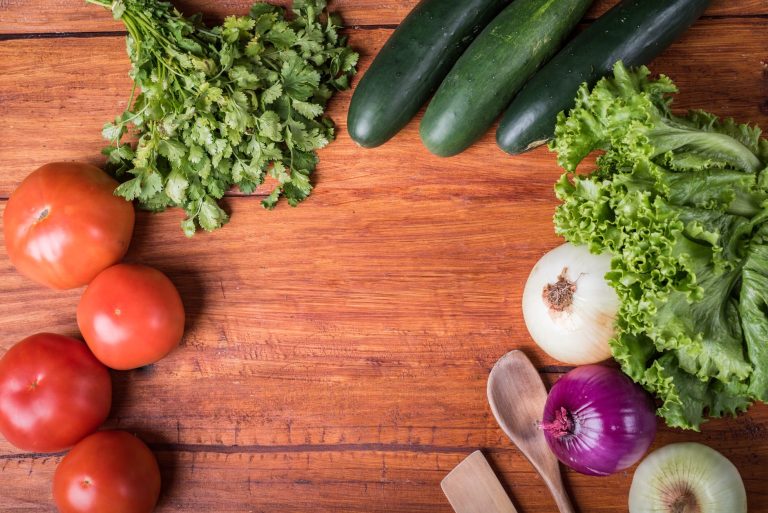
[IMAGE: organic vegetables]
- Leafy greens: Spinach, kale, Swiss chard, arugula, and romaine are gentle, nutrient-rich, and easy to work into salads, smoothies, and sautés. Their fiber supports digestion, while their mineral content supports overall nutrition.
- Cruciferous vegetables: Broccoli, cauliflower, Brussels sprouts, and cabbage are especially useful for a healthy diet because they are rich in fiber and natural plant compounds. Some people need to cook them well to reduce bloating, which is perfectly fine.
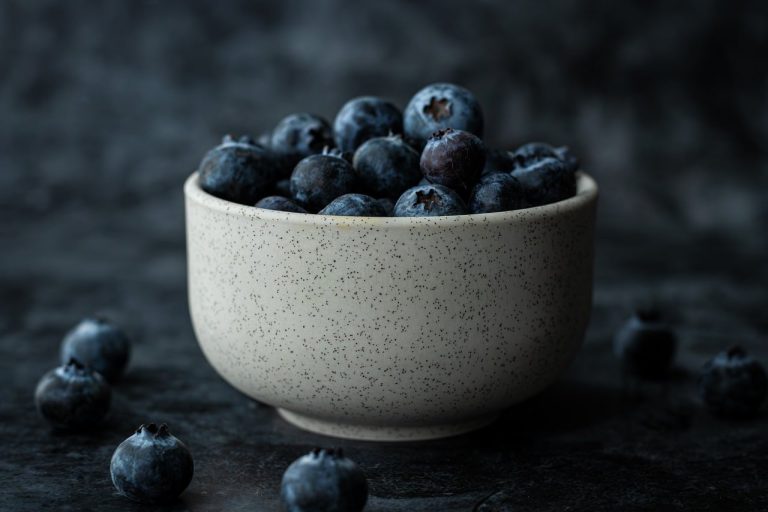
- Berries: Blueberries, raspberries, blackberries, and strawberries are excellent organic foods for a clean eating plan. They are sweet enough to feel satisfying, yet low in added sugar and high in antioxidants.
- Apples and pears: These fruits provide soluble fiber, which can help support satiety and regularity. Eating them with the skin on adds even more fiber when the skin is well washed and organic.
- Fermented foods: Yogurt, kefir, sauerkraut, kimchi, and miso can be valuable additions to a detox diet that is based on real food rather than extreme restriction. They may help diversify the gut environment when eaten consistently and in moderate amounts.
- Legumes: Lentils, chickpeas, black beans, and mung beans bring fiber, protein, and slow-digesting carbohydrates. If you are transitioning to more plant-based meals, start small and increase gradually to give your gut time to adapt.
- Whole grains: Organic oats, quinoa, buckwheat, and brown rice offer steady energy and help replace refined grains that can leave you hungry too quickly. Oats in particular are a classic clean eating staple because they are simple, versatile, and satisfying.
- Seeds and nuts: Chia seeds, flaxseeds, hemp seeds, walnuts, and almonds provide healthy fats and additional fiber. They are easy to add to breakfast bowls, snacks, and salads.
- Herbs and spices: Ginger, turmeric, fennel, mint, and cinnamon may support digestion while adding flavor that keeps organic meals interesting. When food tastes good, consistency becomes much easier.
Fiber first, then fermentation
One of the smartest ways to support gut health is to combine prebiotic and probiotic foods. Prebiotics are the fibers that feed beneficial bacteria, while probiotics are the live cultures found in certain fermented foods. Together, they can help create a more resilient digestive environment. Think of fiber as the fuel and fermentation as the support system. Organic vegetables, oats, onions, garlic, asparagus, and slightly green bananas all contribute prebiotic nourishment. Yogurt, kefir, sauerkraut, and kimchi can add probiotic diversity.
Do you need both every day? Not necessarily. But if you want a healthy lifestyle that supports weight loss and energy, it is wise to include both several times a week. A gut-friendly plate is rarely built from one magic ingredient. It is built from patterns.
Clean Eating Habits That Make Organic Food Work Better
Clean eating is often misunderstood as a rigid set of rules, when in reality it is simply a way of choosing foods that are closer to their natural form. Organic food can be a beautiful part of that approach, but the way you eat matters just as much as what you eat. Even the best ingredients can be undermined by rushed meals, low water intake, poor sleep, and constant stress. If you want better digestion, the habits around your plate matter too.
Eat a little slower
Digestion begins before food even reaches your stomach. Chewing thoroughly and slowing down at mealtimes gives your body a chance to prepare digestive enzymes and signals your brain to recognize fullness. This simple practice can reduce overeating and help you feel lighter after meals. If you tend to eat quickly, try putting your fork down between bites or taking a few breaths before you begin. It is a small shift with a surprisingly large impact.
Pair fiber with protein
Fiber is important, but fiber alone does not always create satisfaction. When you pair organic vegetables, beans, grains, or fruit with protein, you give your body a more balanced meal. This supports stable blood sugar, which is essential if your goal is weight loss. A bowl of berries is lovely, but berries with yogurt, chia, and nuts are more likely to keep you full. A salad is great, but salad with eggs, salmon, tofu, or lentils is often more nourishing.
Hydrate consistently
Water helps move fiber through the digestive system and supports the body’s natural cleansing processes. If you are increasing your intake of whole foods, you may need more hydration than before. That does not mean forcing huge amounts of water at once. It means sipping throughout the day and choosing fluids that support your routine. Herbal tea, water with lemon, and broth-based soups can all fit into a clean eating lifestyle.
Respect your sleep
Sleep deprivation can alter appetite signals, increase cravings, and make it harder to stay mindful around food. If your body is under-rested, even the best organic diet may feel less effective. Quality sleep supports recovery, digestion, and the hormones involved in hunger and fullness. In a real healthy lifestyle, the plate and the pillow are connected.
Keep meals colorful
Color is more than visual appeal. It often reflects diversity in plant compounds, and diversity matters in nutrition. Aim to include greens, reds, oranges, purples, and earthy tones across the week. The more variety you create, the more likely you are to support different aspects of gut health and overall wellness.
How Gut Health Supports Weight Loss Without Extreme Rules
Weight loss becomes much more sustainable when the body feels well fed, the gut feels calm, and your meals are easy to repeat. This is where organic food and clean eating can work together beautifully. Rather than forcing yourself into a low-energy diet, you can focus on foods that naturally support satiety and balance. That is a more intelligent route than dramatic restriction, and for many people it is also the only route that feels livable.
[IMAGE: fitness lifestyle]
When digestion is smoother, you may notice fewer urgent cravings. When meals include enough protein and fiber, you may naturally snack less. When inflammation and bloating are reduced, you may feel lighter and more motivated to stay active. None of this is a trick. It is physiology.
The appetite connection
There is a reason so many nutrition experts emphasize whole foods. Whole, organic ingredients are generally more filling than highly refined packaged foods. They take longer to digest, provide more volume, and often deliver a steadier release of energy. That means you are less likely to experience the spike-and-crash pattern that leads to grazing or overeating.
Blood sugar swings can affect cravings
Meals built from refined flour, added sugar, and low fiber can send blood sugar up quickly and down just as fast. When that happens, hunger often returns with force. A clean eating pattern based on organic vegetables, protein, healthy fats, and slow carbohydrates helps smooth those swings. This is one reason why many people find that weight loss feels easier when they stop chasing low-volume diets and start focusing on better food quality.
Inflammation and water retention matter too
Sometimes the number on the scale is influenced by water retention, digestive discomfort, and inflammation rather than true fat gain. A gut-friendly organic diet can help reduce some of the inputs that contribute to that heavy feeling. Fewer ultra-processed foods, less added sugar, more minerals, more plants, and better hydration can all help your body settle into a more comfortable rhythm.
So if you have been asking whether a healthy diet can really support weight loss without misery, the answer is yes. The key is consistency. The body responds best to meals that are balanced enough to repeat and simple enough to maintain.
A Simple Organic Meal Formula for Busy Days
Healthy eating does not have to be elaborate. In fact, the most reliable clean eating systems are often the simplest ones. When you build meals around a formula instead of a recipe for every single plate, you reduce decision fatigue and make organic food far easier to use daily. This is especially helpful if you work long hours, manage a family, or are trying to improve nutrition without spending half your life in the kitchen.
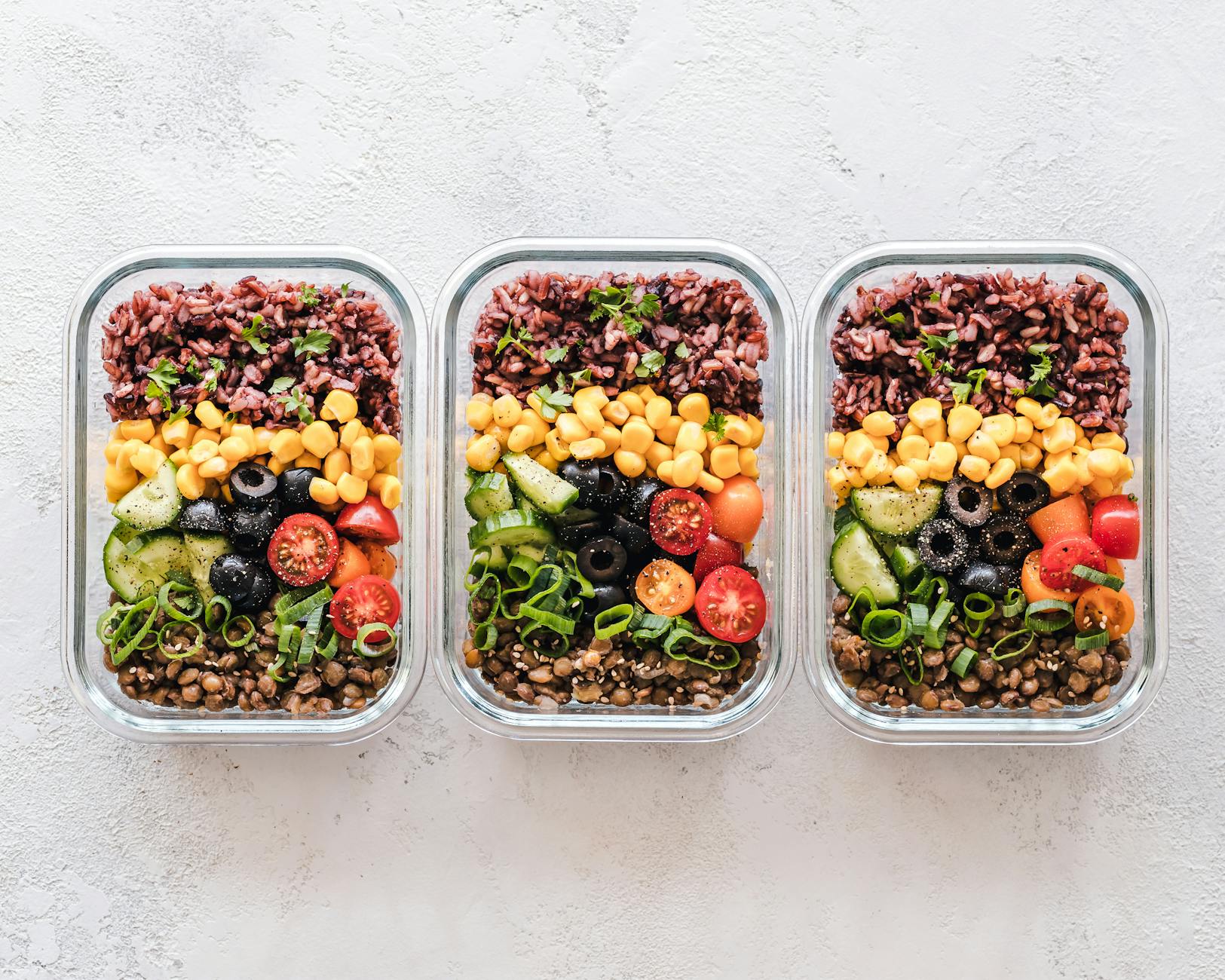
[IMAGE: healthy meal]
Breakfast formula
A gut-friendly breakfast can set the tone for the entire day. Think of breakfast as a chance to stabilize energy rather than spike it. A strong formula might include protein, fiber, fruit, and a small amount of healthy fat.
- Greek yogurt with berries, chia seeds, and walnuts
- Oats with flaxseed, cinnamon, apple slices, and almond butter
- Eggs with spinach, tomatoes, and a side of sauerkraut if you enjoy it
- Smoothie made with kefir, leafy greens, berries, and hemp seeds
If you often skip breakfast and then overeat later, try a lighter version first. What matters is that your first meal feels steady and nourishing rather than sugary and short-lived.
Lunch formula
Lunch should be practical enough to prepare quickly and satisfying enough to carry you through the afternoon. A smart organic lunch often includes greens, a protein source, a complex carbohydrate, and a flavorful dressing or fermented element.
- Salad with chicken, quinoa, cucumbers, avocado, and olive oil dressing
- Brown rice bowl with lentils, roasted broccoli, carrots, and tahini
- Whole grain wrap with turkey, greens, fermented vegetables, and mustard
- Chickpea bowl with spinach, peppers, herbs, and pumpkin seeds
Dinner formula
Dinner is where many people either recover from a busy day or undo a day of good intentions. You do not need a perfect evening meal, but it helps to keep it balanced and not overly heavy. A simple dinner formula could be vegetables plus protein plus a slow carb or healthy fat.
- Salmon with roasted asparagus and sweet potato
- Tofu stir-fry with broccoli, mushrooms, and brown rice
- Turkey meatballs with zucchini noodles and tomato sauce
- Bean chili with leafy greens and avocado
If you only have 10 minutes
Open the fridge and combine three things: a clean protein, a plant, and a smart carb. For example, leftover chicken, prewashed greens, and a microwaved sweet potato. Add olive oil, lemon, or herbs and you have a meal that supports your healthy lifestyle without requiring a full cooking session.
Detox Diet Thinking: What Actually Helps
The phrase detox diet is everywhere, but most people do not need a juice cleanse or a severe short-term plan. Your body already has built-in detoxification systems, including the liver, kidneys, lungs, skin, and digestive tract. What it needs is support, not punishment. That is where organic food can shine. A detox-friendly approach is really a nutrient-supportive approach.
Support the body’s natural detox pathways
If you want to help your body do its job, focus on habits that are sustainable and grounded in nutrition.
- Eat enough fiber to support regular elimination
- Choose water-rich foods like cucumbers, citrus, celery, and leafy greens
- Include cruciferous vegetables such as broccoli and cabbage
- Reduce alcohol intake so the liver is not overburdened
- Sleep enough for daily repair and recovery
- Move your body to encourage circulation and digestion
This is the kind of detox diet that makes sense in the real world. It does not promise a magical reset. It simply gives the body what it needs to function well. If you are looking for a cleaner way of eating, that is the better path.
Think of it this way: would you rather temporarily starve your system or consistently nourish it? The second option usually leads to better energy, better digestion, and better long-term weight loss results.
Foods and Habits That May Upset Digestion
Sometimes progress depends on what you remove just as much as what you add. A lot of digestive discomfort comes from repeat habits that seem harmless in the moment but gradually wear down your system. The goal is not to create fear around food. The goal is to identify patterns that are getting in the way of your healthy diet.
- Ultra-processed snacks: Chips, candy, packaged pastries, and similar foods often contain refined flour, seed oils, and added sugars that can leave you feeling unsatisfied.
- Excess added sugar: Frequent sugar spikes can feed cravings and make it harder to maintain stable energy.
- Heavy fried meals: These can feel dense and difficult to digest, especially when eaten late at night.
- Too much alcohol: Alcohol can irritate the gut and interfere with sleep and recovery.
- Skipping meals all day: This can lead to overeating later and may make digestion less predictable.
- Eating while stressed: Your body digests differently when it is in a rush, tense, or distracted.
- Too many carbonated or artificially sweetened drinks: These can trigger bloating or sensitivity in some people.
If you recognize yourself in a few of these habits, do not panic. Better digestion usually begins with one or two changes, not a complete overhaul. What would make the biggest difference this week? More water? A simpler breakfast? Fewer packaged snacks? Start there.
Smart Organic Meal Prep Ideas for the Week
Meal prep is one of the most practical ways to make organic food affordable and manageable. It also helps clean eating feel less like a daily negotiation. You do not need to cook five identical containers of food. You only need a few building blocks that can be mixed and matched.
A simple prep session
- Wash and chop a mix of vegetables such as carrots, cucumbers, greens, peppers, and broccoli
- Cook one or two grains, such as quinoa and brown rice
- Roast a tray of vegetables with olive oil and herbs
- Prepare a protein source such as eggs, chicken, tofu, tempeh, or lentils
- Make one versatile dressing with olive oil, lemon, mustard, or tahini
- Stock fermented foods in small portions so you can add them easily
- Wash fruit and portion nuts or seeds into grab-and-go containers
Frozen organic produce can also be a budget-friendly hero. It is often picked at peak ripeness, and it saves time when fresh produce is not available. Seasonal shopping helps too. If berries are expensive one week, choose apples or pears. If fresh greens are pricey, buy frozen spinach for soups and smoothies.
Meal prep is not just about convenience. It is about reducing friction between intention and action. When nourishing food is ready to go, you are far less likely to reach for whatever is fastest.
When Organic Is Most Worth It
Budget matters, and a thoughtful organic diet should respect that. You do not need to buy every single item organic to live a cleaner lifestyle. It is often wiser to prioritize the foods you eat most often, especially those that are eaten raw or have thin skins. That gives you the biggest return on your investment.
Good places to prioritize organic food
- Berries
- Leafy greens
- Apples
- Peppers
- Grapes
- Celery
- Stone fruits when available
If your budget allows, consider organic dairy, eggs, and meats from trustworthy sources as well. Many people also prioritize foods they consume frequently in smoothies, salads, and snacks because those meals tend to feature ingredients in their rawest form.
How to shop strategically
There is no prize for buying everything at once. A more realistic strategy is to choose one or two organic upgrades each week and build from there. Maybe one week you switch your berries to organic. Maybe the next week you buy organic oats, spinach, or eggs. Over time, these small changes become a very different kitchen.
Ask yourself: which foods appear in my meals most often, and which ingredients matter most to my family’s routine? That question will guide your choices better than any trend list.
A One-Week Gut-Friendly Rhythm to Try
Instead of trying to transform your entire diet in one day, use a simple weekly rhythm. This creates momentum without overwhelm and gives your digestive system the chance to adapt gradually. It also keeps healthy eating interesting, which is essential if you want the changes to stick.
- Monday: Start with a protein-rich breakfast that includes fruit and fiber.
- Tuesday: Add one fermented food to lunch or dinner.
- Wednesday: Make vegetables the largest part of one meal.
- Thursday: Focus on hydration and keep a water bottle nearby.
- Friday: Swap one processed snack for nuts, fruit, or yogurt.
- Saturday: Do a short meal prep session with chopped produce and cooked grains.
- Sunday: Plan the week ahead with a grocery list built around clean eating staples.
This kind of rhythm supports a healthy lifestyle without turning eating into a rigid project. You are not trying to be perfect. You are trying to be consistent enough that your body can trust the pattern.
As you build these habits, you may notice something subtle but important: food starts to feel more peaceful. You think less about cravings and more about nourishment. You begin to enjoy the simplicity of a plate built from organic vegetables, satisfying proteins, and foods that support your gut. That quieter relationship with food is often where the real change begins. If you want more practical ideas for organic food, clean eating, nutrition, and weight loss support, keep exploring the DietOrganic articles and let each one help you make the next meal a little better than the last.
About the Author