
Photo by Pezibear on Pixabay
Gut health has moved from a niche nutrition topic to one of the most important foundations of a healthy lifestyle. If you have ever felt bloated after meals, struggled with cravings, or found it difficult to lose weight despite eating less, your digestive system may be telling you something. The quality of your food matters, but so does where that food comes from and how it is grown. That is where organic food can make a meaningful difference.
A healthy diet is not only about cutting calories or following the latest detox diet trend. It is about feeding your body in a way that supports digestion, balances energy, and helps the gut microbiome thrive. When your gut is in better shape, clean eating becomes easier, weight loss feels more sustainable, and everyday nutrition starts to work with your body instead of against it. Could the path to better digestion be simpler than most people think? For many readers, the answer begins with organic food choices that are rich in fiber, free from unnecessary additives, and naturally supportive of gut balance.
This guide explores how organic food can support gut health, which foods deserve a place on your plate, and how to build an organic meal pattern that works in real life. Whether your goal is weight loss, reduced bloating, smoother digestion, or simply a cleaner approach to eating, the right organic foods can help you create a healthier routine without feeling deprived.
[IMAGE: organic vegetables]
Why Gut Health Is at the Center of a Healthy Diet
Your gut does much more than digest food. It helps absorb nutrients, supports immune function, influences energy levels, and even plays a role in mood and cravings. Inside the digestive tract lives a complex community of bacteria known as the gut microbiome. Some microbes are beneficial, some are neutral, and some can become problematic when the balance is disrupted.
A healthy diet supports this microbiome with fiber, plant diversity, and nutrient-dense ingredients. In contrast, highly processed foods, added sugars, and poor-quality fats can overwhelm digestion and encourage an imbalance that leads to discomfort. If you are trying to lose weight, this balance matters even more. A stressed digestive system can make it harder to manage appetite, process food efficiently, and stay consistent with clean eating.
Gut health is not only about avoiding symptoms like gas or bloating. It is also about how well your body uses the nutrition you provide. Think of your digestive system as the gateway to everything else: vitality, metabolism, and even skin health. When you choose organic food more often, you reduce exposure to residues and add more whole-food nutrition into your daily routine. Why not give your gut the best chance to function at its peak?
How Organic Food Supports Digestion and Weight Loss
Organic food is often associated with quality, freshness, and cleaner ingredient standards, but its benefits go beyond image or lifestyle branding. Organic fruits, vegetables, grains, legumes, and dairy options tend to be less processed and more aligned with clean eating. That means fewer artificial additives, fewer unnecessary preservatives, and a better chance of building meals that your digestive system can recognize and process efficiently.
For weight loss, this matters in several ways. First, whole organic foods are often naturally higher in fiber and lower in empty calories. Fiber helps you feel satisfied longer, stabilizes blood sugar, and supports healthy bowel movements. Second, organic eating naturally shifts you away from ultra-processed options that can trigger overeating. Third, many people find that when they rely on simple, high-quality organic foods, their cravings decrease and their portion awareness improves.
There is also a practical side to this. Organic produce often tastes fresher, which can make healthy food feel more appealing. When healthy meals actually taste good, consistency becomes easier. Isn’t that what sustainable weight loss really requires?
To make the connection clear, here are some of the most important ways organic food can support digestion and a leaner, healthier body:
- Provides more whole-food fiber for smoother digestion
- Reduces reliance on processed ingredients that can disturb hunger signals
- Helps create balanced meals that support energy and satiety
- Supports a more intentional clean eating lifestyle
- Can make healthy eating feel more satisfying and less restrictive
The Best Organic Foods for Gut-Friendly Nutrition
Not every organic food has the same impact on digestion. Some are especially helpful because they feed beneficial bacteria, reduce digestive strain, or deliver key nutrients that support the intestinal lining. If your goal is better gut health, a healthy diet, or weight loss, these are the foods worth prioritizing.
1. Organic leafy greens
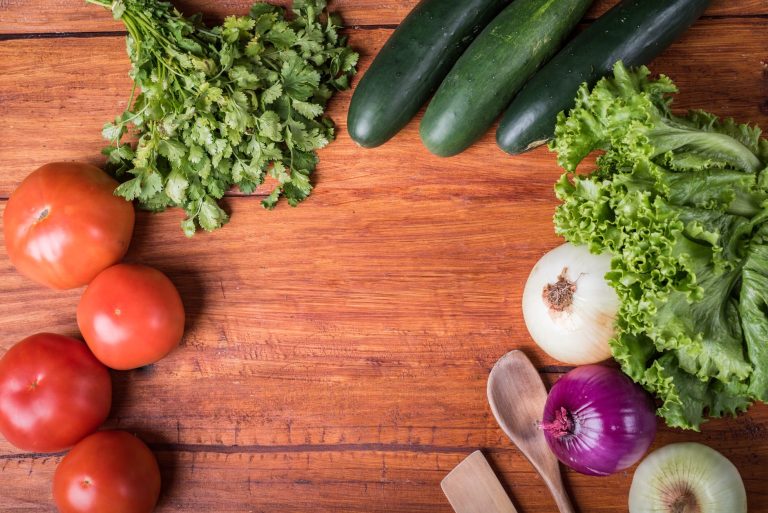
Spinach, kale, arugula, romaine, and Swiss chard are excellent choices. They are rich in fiber, magnesium, and antioxidants while being light enough to fit into almost any meal. Leafy greens support regularity and can help you build volume into meals without adding many calories, which is useful for weight loss.
Try them in salads, omelets, smoothies, and soups. If raw greens are hard to digest for you, lightly steam them or sauté them with garlic and olive oil. A gentle cooking method often makes a big difference for sensitive stomachs.
2. Organic fermented foods
Fermented foods are some of the most powerful ingredients for gut health because they contain live cultures that may support a more balanced microbiome. Look for organic yogurt, kefir, sauerkraut, kimchi, miso, and tempeh. These foods bring variety and depth to a clean eating plan while offering potential digestive support.
Start slowly if you are new to fermented foods. A spoonful of sauerkraut or a small serving of kefir can be enough at first. The goal is consistency, not overload.
3. Organic berries
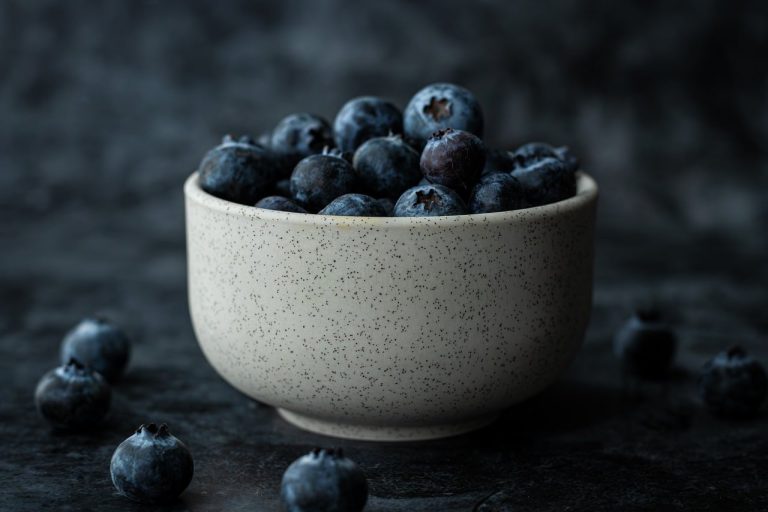
Blueberries, raspberries, blackberries, and strawberries are rich in antioxidants and fiber. They are naturally sweet, easy to pair with protein, and helpful for satisfying cravings without relying on refined sugar. For people focused on weight loss, berries can be one of the best organic foods to keep on hand because they satisfy dessert-like cravings while supporting nutrition.
Enjoy them with plain organic yogurt, blended into a smoothie, or sprinkled over oats and chia pudding. Their fiber content also supports digestion and a healthier blood sugar response.
4. Organic oats and whole grains
Organic oats, quinoa, brown rice, buckwheat, and millet provide steady energy and soluble fiber. Oats are especially useful because they contain beta-glucan, a fiber known for supporting heart and gut health. These foods can help you stay fuller for longer, making a healthy diet more practical and less frustrating.
When weight loss is the goal, portion size still matters. Pair whole grains with vegetables and protein so you feel satisfied without going overboard.
5. Organic root vegetables
Sweet potatoes, carrots, beets, and turnips are nourishing, gentle, and easy to prepare. They provide fiber and minerals while keeping meals comforting and satisfying. Root vegetables are especially helpful in a clean eating routine because they can be roasted, steamed, or blended into soups with minimal effort.
They are also a smart alternative to fried side dishes or heavy refined carbohydrates. Why not make the swap in your next meal?
6. Organic apples and pears
These fruits are rich in pectin, a type of soluble fiber that supports digestion and may help feed beneficial gut bacteria. Apples and pears are also easy to pack for work, travel, or post-workout snacks. Combined with nut butter or a small serving of organic cheese, they become a balanced snack that supports healthy lifestyle habits.
7. Organic seeds and nuts
Chia seeds, flaxseeds, pumpkin seeds, almonds, and walnuts provide fiber, healthy fats, and plant-based minerals. Chia and flax are especially valuable for digestion because they absorb water and can support regular bowel movements. Seeds are also easy to add to breakfast bowls, salads, and smoothies.
For weight loss, the key is moderation. A small handful can be satisfying, but larger portions can be calorie-dense. Use them strategically to enhance meals rather than snack mindlessly.
8. Organic herbs and spices
Turmeric, ginger, cinnamon, fennel, peppermint, and garlic can add flavor while supporting digestive comfort. Ginger and peppermint are often used for nausea or bloating, while turmeric contributes anti-inflammatory compounds that fit well into an organic diet. Herbs and spices allow you to make clean eating more enjoyable without relying on heavy sauces or excessive salt.
What a Gut-Friendly Organic Plate Looks Like
One of the biggest mistakes people make is thinking healthy eating means complicated rules. In reality, a gut-friendly plate is simple. It usually includes a source of fiber, a source of protein, a source of healthy fat, and plenty of colorful plants. That combination supports satiety, digestion, and stable energy.
Here is a practical formula you can use when planning meals:
- Half the plate: organic vegetables, especially leafy greens, broccoli, zucchini, carrots, or peppers
- One quarter of the plate: organic protein such as eggs, yogurt, tofu, tempeh, beans, lentils, fish, or chicken
- One quarter of the plate: organic whole grains or starchy vegetables, depending on your goals
- Small addition: healthy fats from avocado, olive oil, seeds, or nuts
This structure works for breakfast, lunch, and dinner. It also aligns with clean eating because it emphasizes real food over packaged products. For many people, this pattern naturally reduces snacking and supports weight loss without feeling extreme.
If you are wondering whether you need to count every calorie to get results, the answer is often no. Better food quality and better meal balance can create major changes on their own. The body tends to respond well when it receives steady nutrition from organic food instead of erratic, processed choices.
[IMAGE: healthy meal]
Clean Eating Habits That Make Organic Food Work Better
Buying organic food is a powerful first step, but results improve when you pair it with smart habits. Clean eating is not about perfection. It is about creating a routine that reduces friction and makes nutritious choices feel automatic.
Shop with a plan
Walking into a store without a list is one of the fastest ways to buy convenience foods that do not support your healthy lifestyle. Make a weekly list of produce, protein, pantry items, and snacks. Focus first on the ingredients that will help you assemble meals quickly.
Prep the basics
Wash greens, chop vegetables, cook a batch of grains, and portion out snacks. When your organic food is ready to use, you are far more likely to eat it. This is especially important if your goal is weight loss, because convenience often determines consistency.
Build meals around digestion
Notice how your body responds to different foods. Do raw salads leave you uncomfortable? Does dairy feel heavy? Are you better off with cooked vegetables at night? Clean eating becomes more effective when it is personalized instead of generic.
Stay hydrated
Water is often overlooked in nutrition plans, yet it is essential for digestion and regular bowel movements. Organic foods with fiber work best when your fluid intake is adequate. Herbal teas, water with citrus, and mineral-rich broths can also support a detox diet style of eating without being extreme.
Eat slowly and deliberately
Digestion begins before food even reaches the stomach. Chewing thoroughly, sitting down for meals, and avoiding constant grazing can improve how well your body processes nutrients. Could something as simple as eating more slowly affect bloating and appetite? For many people, the answer is yes.
Organic Foods That Help Reduce Bloating and Support Comfort
Bloating is one of the most common complaints people have when trying to improve their nutrition. It can be caused by eating too fast, choosing the wrong foods, or having an imbalanced gut. The good news is that organic food choices can make meals gentler and more supportive.
Some of the most helpful options include:
- Cooked carrots, zucchini, and squash
- Ginger tea or fresh ginger in meals
- Organic yogurt or kefir if dairy is well tolerated
- Small portions of oats or chia pudding
- Bananas, especially when slightly green for resistant starch
- Peppermint tea after meals
- Fermented vegetables in moderate portions
It also helps to watch for foods that may irritate your system even if they are organic. Beans, cruciferous vegetables, and raw salads are nutritious, but they can be hard on some stomachs when eaten in large amounts. The goal is not to eliminate healthy foods forever. It is to adjust them in a way that works for your body.
For example, if raw cauliflower causes discomfort, steaming it may solve the problem. If apples feel too fibrous, try stewed apples or pair them with protein. These small changes keep your healthy diet practical and sustainable.
How Organic Food Supports a Detox Diet Without Extremes
The word detox diet is often surrounded by exaggerated claims, but your body already has built-in detoxification systems. The liver, kidneys, digestive tract, lungs, and skin all play a role in removing waste and keeping you balanced. What organic food does is support these systems by reducing the burden of overly processed ingredients and providing nutrients they can use efficiently.
Rather than starving yourself or relying on juice-only plans, a smarter detox approach focuses on:
- More vegetables and leafy greens
- Plenty of water and herbal teas
- Fiber-rich whole foods
- Healthy fats that support hormone balance
- Less sugar, alcohol, and ultra-processed food
This kind of detox diet is really a long-term nourishment strategy. It helps your digestion recover from overload while giving your body the nutrients needed to function well. If you have ever finished a week of heavy eating and wished for a reset, this is the safer, smarter way to do it.
Organic food supports this process by making it easier to rely on real ingredients. Fresh produce, clean protein sources, and minimally processed staples create the kind of consistency that actually helps your system bounce back.
Easy Organic Meal Ideas for Busy Days
A healthy diet only works when it fits into real life. You do not need elaborate recipes or hours in the kitchen to eat well. A few flexible meal formulas can keep you on track even on your busiest days.
Breakfast ideas
- Organic oats with berries, chia seeds, and cinnamon
- Greek yogurt with walnuts, flaxseed, and sliced pear
- Veggie omelet with spinach, mushrooms, and avocado
- Smoothie with organic greens, banana, kefir, and ginger
Lunch ideas
- Quinoa bowl with roasted vegetables, chickpeas, and tahini
- Large salad with organic greens, salmon, seeds, and olive oil
- Vegetable soup with lentils and a side of whole grain toast
- Brown rice bowl with tofu, cucumber, carrots, and fermented vegetables
Dinner ideas
- Baked chicken with sweet potatoes and steamed broccoli
- Tempeh stir-fry with ginger, garlic, and mixed vegetables
- Herb-roasted fish with greens and quinoa
- Stuffed peppers with beans, rice, and tomato sauce
Snack ideas
- Apple slices with almond butter
- Organic yogurt with berries
- Pumpkin seeds and cucumber
- Carrot sticks with hummus
- Kefir with cinnamon
The more familiar these meals become, the easier it is to stay committed. Clean eating should feel supportive, not punishing. When your meals are delicious and convenient, you are less likely to drift toward less nourishing options.
[IMAGE: fitness lifestyle]
Common Mistakes People Make When Eating Organic for Gut Health
Even high-quality organic food can fail to deliver results if the overall strategy is off. Many people assume that buying organic automatically creates a healthy diet, but the bigger picture still matters. Here are some of the most common mistakes to avoid.
Overeating packaged organic snacks
Organic cookies, crackers, bars, and chips still need to be treated as convenience foods. They may be better than some conventional alternatives, but they are not the same as whole-food nutrition. If your goal is weight loss or a cleaner gut-supportive routine, prioritize ingredients over marketing claims.
Ignoring protein
Fiber is important, but so is protein. Without enough protein, you may feel hungry soon after eating, which can lead to snacking and less stable energy. Pair vegetables with eggs, fish, poultry, dairy, tofu, tempeh, beans, or lentils to create meals that support satiety and muscle maintenance.
Changing everything at once
Switching abruptly to a radically different diet can overwhelm your digestion. Even healthy changes should be introduced gradually. Begin with one or two swaps, such as replacing refined breakfast cereal with organic oats or adding one extra serving of vegetables a day.
Forgetting variety
The gut microbiome thrives on diversity. Eating the same salad every day is better than relying on fast food, but your body benefits even more when you rotate colors, textures, and plant types. Different organic foods provide different fibers and nutrients, which is one reason variety matters so much in nutrition.
Assuming organic means low-calorie
Organic food is not automatically lighter or lower in calories. Nuts, oils, cheese, and dried fruit can be nourishing, but portions still matter. If weight loss is your priority, be mindful of energy-dense foods while still enjoying them in a balanced way.
How to Build a 7-Day Organic Gut Reset
You do not need an extreme detox diet to feel a reset in your digestion. A simple seven-day structure can help you feel lighter, more focused, and more consistent with clean eating. The aim is not restriction. The aim is rhythm.
Here is a practical guide:
- Day 1: Add a green vegetable to every meal
- Day 2: Include one fermented food serving
- Day 3: Replace refined snacks with fruit and nuts
- Day 4: Cook at least one meal using whole grains
- Day 5: Increase water intake and herbal tea
- Day 6: Prepare a large vegetable-based lunch
- Day 7: Reflect on which foods helped your digestion most
By the end of the week, you may notice less bloating, better regularity, and fewer cravings. You may also discover that your appetite feels more stable. That is often what happens when nutrition supports the gut instead of fighting it.
The beauty of this approach is that it can continue indefinitely. There is no dramatic before-and-after promise here, only a reliable system that helps your body function more comfortably. That is what makes it a real healthy lifestyle strategy rather than a short-lived trend.
What to Buy First at the Grocery Store
If you are just getting started with organic food for gut health, do not try to overhaul your entire kitchen in one trip. Instead, build a simple, focused shopping list that gives you the most nutritional return.
Start with these basics:
- Organic leafy greens
- Broccoli, carrots, zucchini, and sweet potatoes
- Fresh berries and apples
- Organic oats or quinoa
- Greek yogurt or kefir
- Chia seeds, flaxseeds, and pumpkin seeds
- Olive oil and avocados
- Ginger, turmeric, garlic, and cinnamon
- Beans, lentils, or tofu
These foods make it easy to build meals without overthinking. They are versatile, nutrient-dense, and friendly to both gut health and weight loss goals. If you are shopping on a budget, remember that frozen organic vegetables can be just as useful as fresh ones, especially for soups, stir-fries, and smoothies.
Planning ahead also reduces food waste. When your refrigerator contains ingredients you actually know how to use, clean eating becomes less about discipline and more about routine.
Can Organic Food Alone Improve Digestion?
Organic food can be a powerful part of the answer, but it is not the entire solution. Digestion is influenced by stress, sleep, hydration, physical activity, medication use, and meal timing. Still, what you eat remains one of the most direct ways to influence gut health.
If you eat plenty of organic vegetables, fiber-rich grains, fermented foods, and quality proteins, your body is more likely to respond well. Add regular movement, adequate rest, and mindful eating, and you create a foundation for long-term wellness. Are you treating your gut as an afterthought or as a daily priority? That question alone can change how you approach your meals.
Think of organic food as a strong ally. It does not need to be perfect to be valuable. Even small shifts, when repeated consistently, can improve digestion and support a healthier relationship with food.
Many people discover that when they stop focusing only on calorie cutting and start focusing on nutrition, the results are better. Bloating decreases, energy improves, and weight loss becomes less of a battle. That is the quiet power of a gut-focused healthy diet built on quality ingredients.
Choosing organic food for gut health is not about following a rigid rulebook. It is about making cleaner, smarter choices that help your digestion, support weight loss, and make healthy eating feel more natural. When you build meals from vegetables, fiber, protein, and simple whole ingredients, your body gets what it needs to function well and your daily routine becomes easier to maintain. If this approach resonates with you, keep exploring more expert guidance on DietOrganic, where every article is designed to help you create a healthier lifestyle with confidence and clarity.
About the Author