
Photo by congerdesign on Pixabay
If you have ever wondered why some healthy diets feel effortless while others leave you bloated, hungry, or strangely tired, the answer may begin in your gut. A truly effective organic food plan is not only about eating fewer calories or choosing prettier ingredients; it is about feeding your digestion in a way that supports energy, balance, and long-term wellness. When clean eating is built around gut-friendly organic food, it can become a powerful foundation for weight loss, better mood, and a healthier lifestyle that actually feels sustainable. Have you noticed how one meal can leave you light and focused, while another seems to slow everything down? That difference often comes down to nutrition quality, fiber, fermentation, and the way your body responds to what you eat.
This guide explores organic foods for gut health from a practical, expert perspective. Instead of chasing a harsh detox diet or cutting out entire food groups, you will learn how to build meals that support beneficial bacteria, reduce digestive discomfort, and encourage natural weight loss without extremes. Think of it as a clean eating strategy that respects both your stomach and your schedule. Along the way, you will find realistic food ideas, smart meal combinations, and simple habits that make healthy eating easier at home, at work, and on the go.
Why Gut Health Deserves a Place in Every Clean Eating Plan
Gut health is one of the most important but overlooked parts of nutrition. The digestive system does far more than break down food. It helps regulate immunity, supports nutrient absorption, influences inflammation, and even affects appetite signals. If your gut is working well, you are more likely to feel satisfied after meals, maintain stable energy, and make better food choices throughout the day. If it is struggling, even the healthiest diet can feel incomplete. That is why organic food matters so much in a clean eating plan: it gives your body cleaner fuel and fewer unnecessary irritants to process.
The gut is not only about digestion
Many people think of digestion as a background process, but the gut is deeply connected to the rest of the body. The community of microbes in your intestines helps determine how efficiently you process certain nutrients, how often you feel cravings, and how well your body responds to stress. A well-fed microbiome can help encourage regularity, support a stronger immune system, and create a better internal environment for healthy weight management. That does not mean there is one perfect food, but it does mean that the right organic foods can make a real difference.
When gut health improves, people often notice changes that go beyond the bathroom scale. They may feel less bloated after meals, experience fewer energy crashes, and enjoy a more balanced appetite. These are the kinds of changes that make a healthy lifestyle easier to maintain. Instead of forcing discipline through restriction, you are creating conditions where your body naturally wants to cooperate.
Why organic food matters here
Organic food can be especially valuable for gut health because it is often grown with fewer synthetic pesticides and processed with more attention to ingredient quality. While no single organic apple will transform your digestion overnight, the overall pattern matters. A diet built around organic vegetables, fruits, grains, and fermented foods often contains more fiber, more antioxidants, and fewer ultra-processed additives that can disrupt digestive comfort. For many people, that means less irritation and a better response to a clean eating routine.
Organic choices can also reduce your exposure to residue from conventional farming methods, which many health-conscious eaters prefer to limit. If your goal is weight loss, the benefit is even more practical: whole organic foods tend to be more filling, less calorie-dense, and easier to portion sensibly. Why settle for empty calories when you can choose food that nourishes, satisfies, and supports your body from the inside out?
The Organic Foods That Support a Healthier Microbiome
The best organic foods for gut health usually fall into a few key categories: fermented foods, fiber-rich vegetables, fruits that support regularity, and nutrient-dense plant proteins and grains. Each group plays a different role, but together they create a balanced internal environment. If you are trying to follow a clean eating plan that also helps with weight loss, focus on variety. Your gut microbes thrive when they are fed a range of plant compounds, not just one or two fashionable superfoods.
Organic yogurt, kefir, and cultured alternatives
Fermented dairy can be a strong ally for gut health, especially when it contains live active cultures. Organic yogurt and kefir offer protein, calcium, and beneficial bacteria in one simple package. If you do not consume dairy, look for organic unsweetened cultured alternatives made from coconut, almond, or oat bases with live cultures added. These can still support a healthier digestion pattern when they are free from excess sugar and artificial thickeners.
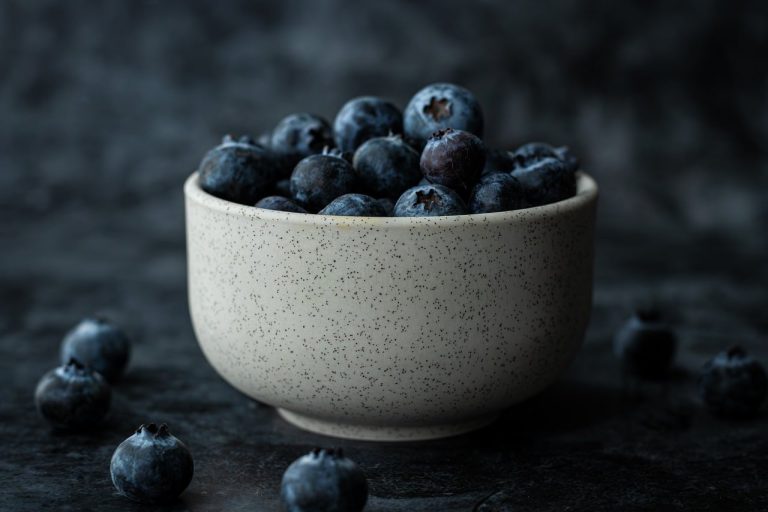
The key is to choose options that are plain or lightly flavored, not dessert disguised as health food. Many yogurts contain more sugar than you might expect, which can work against your clean eating goals. For best results, pair them with berries, chia seeds, or ground flaxseed. This creates a more balanced snack that supports satiety and keeps blood sugar steadier. Want a quick breakfast that feels luxurious but still supports nutrition and weight loss? A bowl of organic yogurt with fruit and seeds is a reliable place to start.
What to look for on the label
- Live and active cultures
- Low or no added sugar
- Short ingredient lists
- Organic milk or organic plant-based base
- No artificial flavors or colors
Organic vegetables that feed beneficial bacteria
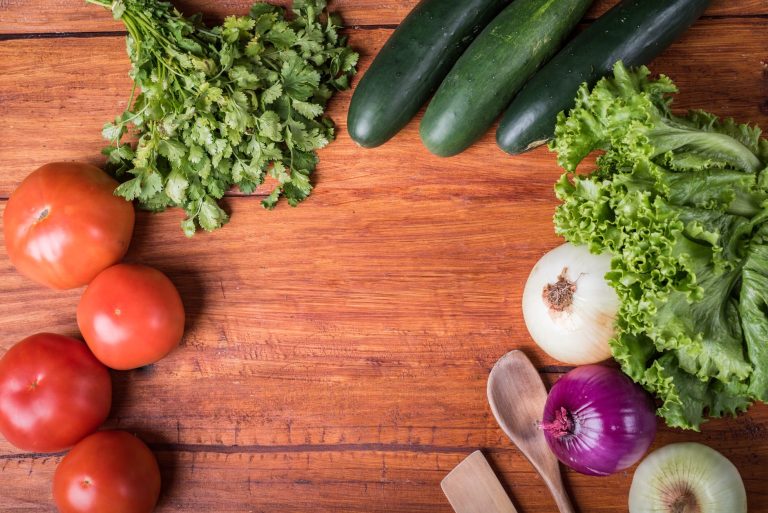
Vegetables are the backbone of any gut-friendly organic food plan. They provide fiber, water, minerals, and plant compounds that support digestion and help beneficial bacteria flourish. Organic leafy greens, carrots, fennel, cucumbers, zucchini, asparagus, artichokes, broccoli, and Brussels sprouts are especially helpful because they are nutrient-dense and easy to work into daily meals. [IMAGE: organic vegetables] These foods are not just healthy in theory; they are practical, versatile, and incredibly useful for anyone trying to maintain a clean eating routine.
Some of the best vegetables for gut support contain prebiotic fibers, which act like fuel for healthy microbes. As these fibers are fermented in the colon, they can support a more balanced digestive environment. If you are new to this kind of nutrition, start slowly. Adding too much fiber too fast may lead to gas or discomfort. Begin with one extra serving at lunch or dinner, then build from there. That is a much smarter approach than forcing a dramatic detox diet that your body may not appreciate.
Best vegetable choices for daily use
- Organic spinach and kale in salads or smoothies
- Roasted broccoli or cauliflower with olive oil
- Steamed asparagus with lemon and herbs
- Shredded cabbage for slaws and bowls
- Carrots, beets, and cucumbers for simple snacking
If you are aiming for weight loss, vegetables are especially valuable because they add volume without adding a heavy calorie load. This means you can build satisfying plates while still keeping your energy intake in check. Clean eating does not need to feel small or dull. When vegetables are prepared well, they can become the most enjoyable part of the meal.
Fruits that soothe and support digestion
Organic fruit brings natural sweetness, hydration, and fiber to the table. Berries are among the best choices because they are rich in antioxidants and relatively low in sugar compared with many other fruits. Apples, pears, kiwi, papaya, oranges, and bananas can also support digestion when eaten in reasonable portions. For some people, kiwi in particular helps encourage regularity, while bananas may feel gentler during periods of digestive sensitivity.
The most important thing is to observe how your body responds. Gut health is personal, and the foods that feel soothing for one person may feel heavy for another. This is one reason a thoughtful clean eating approach works better than copying a generic meal plan. Use fruit as part of a balanced plate, not as a substitute for all your meals. Pairing fruit with protein or healthy fat can slow digestion just enough to support steady energy and reduce cravings later in the day.
Whole grains, seeds, and legumes
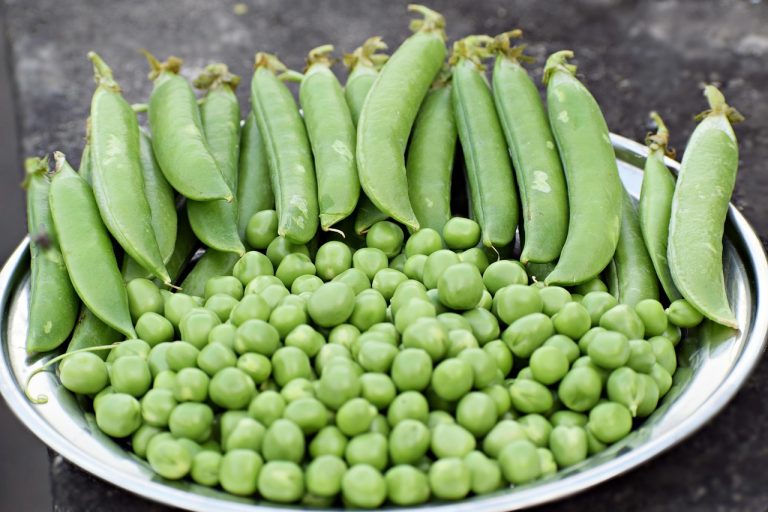
Many people mistakenly remove grains and legumes when they want better digestion, but for most healthy adults these foods can be extremely beneficial. Organic oats, quinoa, brown rice, lentils, chickpeas, black beans, chia seeds, and flaxseed all provide fiber that supports microbial diversity and regular bowel movements. These foods also make meals more satisfying, which is a major advantage for weight loss. When your meals feel complete, you are less likely to snack impulsively or search for something sweet an hour later.
Whole grains are especially useful when you want a cleaner breakfast or lunch that still keeps you full. Oats with berries and seeds, quinoa bowls with vegetables, or lentil soups with herbs can all fit into a high-quality organic food plan. The goal is not to eliminate carbs entirely. The goal is to choose carbs that work with your body rather than against it.
A Clean Eating Plate That Feels Light but Satisfying
The most effective healthy diet is the one you can repeat without feeling deprived. A gut-friendly plate should include enough protein, fiber, fluid, and healthy fat to keep digestion smooth and appetite stable. When people struggle with weight loss, it is often because their meals are too small, too processed, or too low in protein and fiber. A better strategy is to build each plate intentionally. [IMAGE: healthy meal] Ask yourself: does this meal support energy, fullness, and easy digestion, or does it leave room for a crash later?
Breakfast ideas that set the tone for the day
Breakfast can be simple and still be powerful. Start with options that combine protein, fiber, and gentle energy. Organic yogurt with berries and chia seeds, overnight oats with flaxseed and cinnamon, or scrambled eggs with spinach and tomatoes are all strong choices. If you prefer a smoothie, keep it balanced by including greens, fruit, protein, and a source of healthy fat such as nut butter or seeds. Too much fruit alone can spike hunger later, so aim for structure rather than sweetness alone.
For many people, breakfast is also where consistency matters most. A predictable morning meal reduces decision fatigue and helps prevent impulse eating later in the day. If your mornings are rushed, prepare ingredients the night before. That small habit can be one of the most useful changes in a busy healthy lifestyle.
Lunch and dinner formulas that support digestion
The easiest way to build a gut-friendly lunch or dinner is to follow a simple formula: protein, colorful vegetables, a source of fiber-rich carbohydrate, and a little healthy fat. This could mean a bowl of quinoa topped with roasted broccoli, chickpeas, avocado, and herbs. Or perhaps grilled salmon with asparagus and sweet potato. If you eat plant-based, lentils, tofu, tempeh, or beans can provide a satisfying base. The point is balance. A well-composed meal gives your gut what it needs without overwhelming it.
Seasoning also matters. Ginger, turmeric, fennel, parsley, mint, basil, and cumin can make meals more digestible and more enjoyable. A meal that tastes good is more likely to become part of your long-term routine. And when you think about it, isn’t that the real secret to a healthy lifestyle?
Smart snacks and beverages
Snacks should work with your goals, not against them. Instead of reaching for ultra-processed bars or sugary drinks, choose organic snacks that deliver fiber and protein. Apple slices with almond butter, carrots with hummus, hard-boiled eggs, pumpkin seeds, or a small bowl of plain kefir are all practical options. If you need something more refreshing, try herbal tea, water with lemon, or a lightly blended smoothie with greens and berries.
Hydration is critical for digestion. Fiber works best when you drink enough fluids, so if you increase your intake of vegetables, seeds, or legumes, be sure to increase water too. Sometimes people blame food when the real issue is simply dehydration. That is a small but important distinction, especially when you are following a clean eating plan for weight loss.
How Gut-Friendly Organic Food Supports Weight Loss
Weight loss becomes more manageable when the foods you eat naturally help control appetite and support steady energy. Gut-friendly organic food is often ideal for this because it tends to be more filling, less processed, and more nutrient-rich than conventional convenience foods. Fiber slows digestion, protein supports satiety, and fermented foods can make meals feel more balanced. The result is not magic, but it can feel close to it when your hunger becomes easier to understand and manage.
Why satiety matters more than extreme restriction
When meals are satisfying, calorie control becomes less stressful. A plate rich in organic vegetables, lean protein, and healthy fats can keep you full for hours without leaving you sluggish. That does not mean every meal has to be large. It means your food choices should give your body enough volume and nutrition to avoid rebound hunger. Many people chasing weight loss make the mistake of eating too little, then overcompensating later. A better path is to eat well, not just less.
Fiber-rich organic food can also help regulate blood sugar. When blood sugar is steadier, cravings often become easier to manage. That is why a clean eating plan built around real food tends to be more effective than one built on shakes, bars, and artificial substitutes. Your body knows the difference.
Why a gentle reset beats a harsh detox diet
There is a reason many people feel miserable on aggressive detox programs. They are often too low in calories, too restrictive, or too focused on short-term cleansing rather than lasting nutrition. A gentler detox diet using organic foods is usually far more effective because it supports the liver, gut, and kidneys with hydration, fiber, and nutrient density. Instead of trying to force your body into a dramatic reset, you give it the conditions to do its job well.
Think of a detox diet as a clean-up of habits rather than a punishment. More vegetables, more water, more whole foods, fewer artificial additives, fewer excess sugars, and more mindful eating. That is the kind of approach that can improve digestion without draining your energy. It is also much easier to maintain, which matters if you care about sustainable weight loss.
Common Clean Eating Mistakes That Upset Digestion
Even the best intentions can backfire when clean eating becomes too rigid or poorly balanced. Some people eat a lot of raw produce but very little protein. Others rely on organic packaged snacks that are still highly processed. A few adopt a
About the Author