
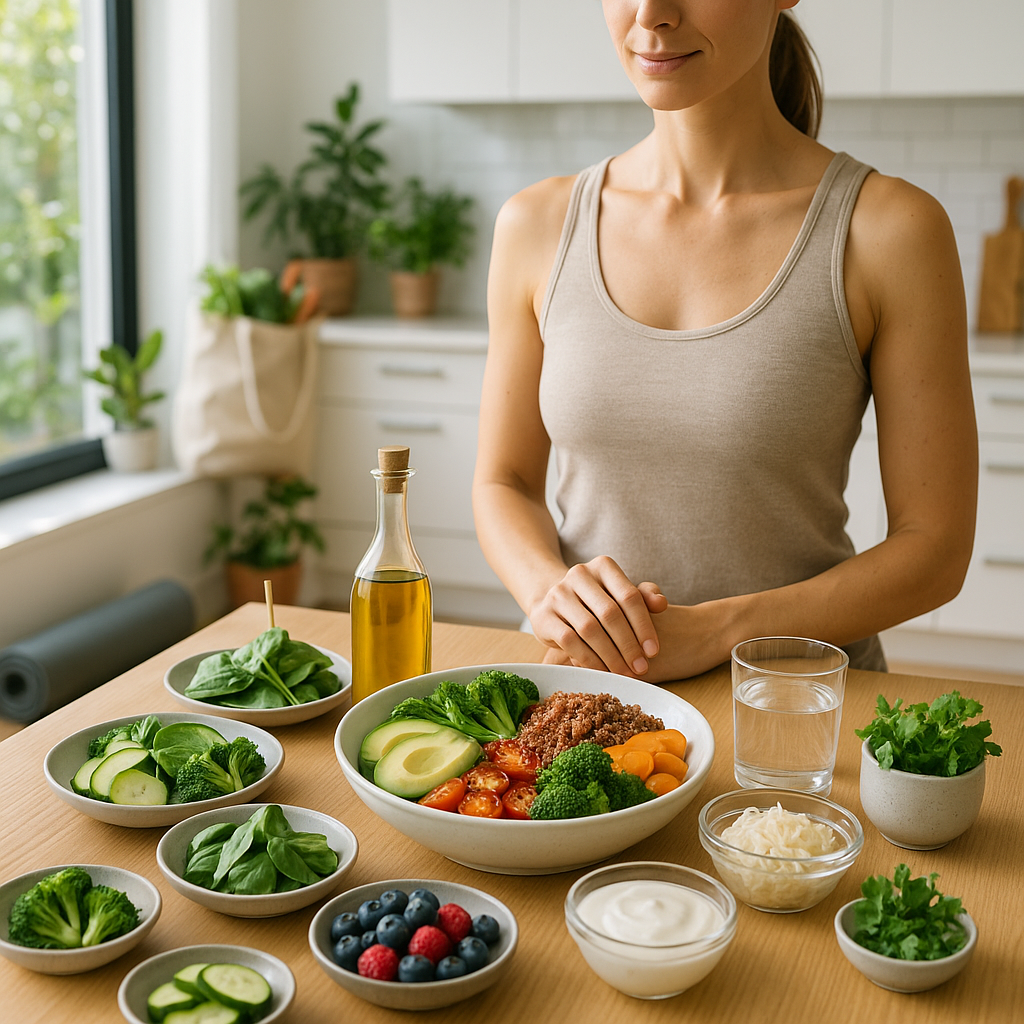
If you have been trying to improve your digestion, sharpen your energy, and support a healthy lifestyle without falling into the trap of overly complicated diet trends, organic food may be the most practical place to begin. Gut health is no longer a niche wellness topic reserved for nutrition enthusiasts. It is now understood as one of the central foundations of how we feel, think, and function every day. The condition of your digestive system influences everything from nutrient absorption and blood sugar balance to immunity, mood, and even weight loss. So what if the answer to feeling better was not another extreme detox diet, but a cleaner way of eating that works with your body instead of against it?
An organic food approach can be especially valuable because it naturally supports clean eating, encourages a nutrient-dense plate, and reduces unnecessary exposure to additives and pesticide residues that may interfere with digestive comfort. The best part is that this does not require perfection. It requires a smarter structure, a few reliable habits, and a clear understanding of which foods actually help your gut thrive. In this guide, we will look at how organic food supports digestion, which ingredients deserve a place on your plate, what mistakes can slow your progress, and how to build a sustainable routine that supports both gut health and long-term weight management.
Why Gut Health Is the Hidden Driver of Energy, Weight, and Wellness
Your gut is doing far more than breaking down meals. It is home to a complex ecosystem of bacteria, enzymes, and immune activity that helps determine how well your body uses the food you eat. When digestion is working smoothly, you are more likely to absorb key vitamins and minerals, experience steady energy, and feel satisfied after meals. When it is not, bloating, fatigue, cravings, and irregular digestion can become part of your normal routine.
Have you ever noticed that when your meals are cleaner and more balanced, you feel lighter, calmer, and more focused? That is not accidental. The microbiome, which is the community of beneficial bacteria in the gut, responds strongly to food quality. A healthy diet rich in fiber, plant compounds, and fermented foods helps maintain a more diverse microbiome. That diversity matters because it is linked to better digestion, stronger immunity, and more efficient metabolism.
For people pursuing weight loss, gut health is especially important. Digestive imbalance can affect appetite signals, cravings, inflammation, and how the body stores energy. You may be eating fewer calories and still not feel your best if your digestive system is stressed. That is why a clean eating strategy built around organic food often feels more sustainable than aggressive restriction. Instead of fighting the body, you are feeding it in a way that encourages balance.
Gut health also plays a surprising role in emotional well-being. The gut and brain communicate constantly, and when digestion is disrupted, stress and mood can feel harder to manage. A diet that reduces digestive friction can help you feel more grounded, not just physically but mentally too.
What Makes Organic Food Different for the Digestive System
Organic food is not a magic fix, but it does offer several practical advantages for people who want to support their digestion with greater intention. Organic standards restrict many synthetic pesticides, herbicides, and genetically modified ingredients, which can appeal to anyone trying to reduce the overall burden on the body. While research continues to explore the full scope of those effects, many people report that an organic diet feels cleaner and easier on their system.
Another important point is that organic food often encourages better shopping habits. When people begin choosing more organic vegetables, fruits, legumes, and minimally processed ingredients, they usually end up eating a more whole-food-based diet overall. That alone can improve nutrition, fiber intake, and digestive comfort. A healthy lifestyle is rarely built on one ingredient; it is built on a pattern of better choices.
Fewer unnecessary extras, more real nutrition
One reason organic food supports clean eating is that it tends to reduce dependence on heavily processed packaged meals. Many non-organic convenience foods include refined oils, excess sodium, artificial flavorings, and sugar-heavy formulations that can leave the gut feeling sluggish. Organic shopping naturally shifts attention toward whole foods such as fresh produce, eggs, dairy, beans, grains, and protein sources with shorter ingredient lists.
In practical terms, this means fewer digestive surprises. Meals made from recognizable ingredients are easier to plan, easier to digest, and often more satisfying. For anyone exploring a detox diet, that simplicity matters. The body does not need dramatic resets as much as it needs consistent support through nourishing food and hydration.
Why freshness and sourcing matter more than marketing
Organic food is not only about labels. It is also about how food is grown, handled, and brought to your kitchen. Freshly harvested produce tends to preserve more of its natural texture and flavor, which can make healthy eating feel more enjoyable. When meals taste good, you are more likely to stay consistent. And consistency is where true nutrition results happen.
Of course, not every organic product is automatically better in every situation. A bag of organic chips is still a processed snack. A sweet organic dessert still behaves like dessert. The goal is not to chase a label blindly. The goal is to use organic food as part of a broader clean eating routine that prioritizes real nourishment.
The Best Organic Foods for a Happier Gut
The most helpful organic foods for gut health are the ones that supply fiber, water, beneficial microbes, and anti-inflammatory compounds. If your meals regularly include these categories, you give your digestive system a better chance to function smoothly.
1. Organic vegetables rich in fiber and plant compounds
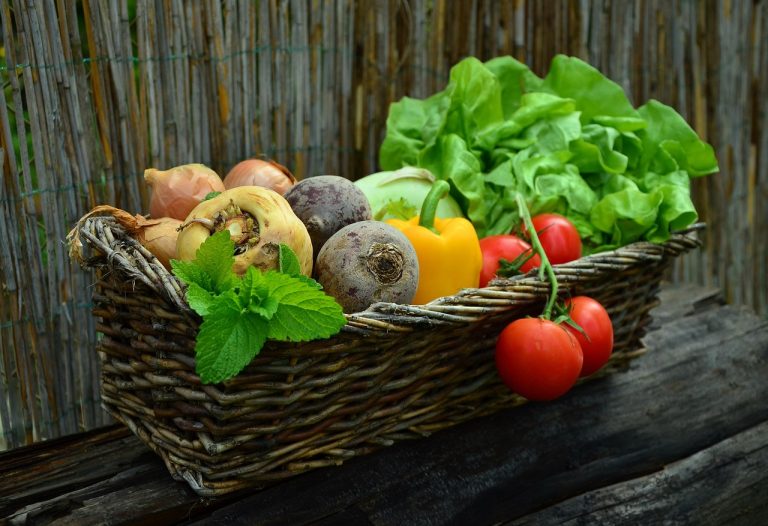
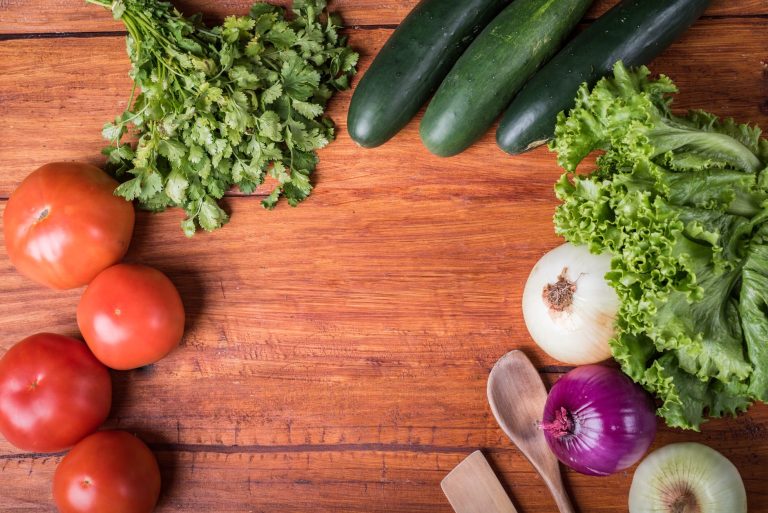
Leafy greens, carrots, zucchini, broccoli, cauliflower, beets, and cucumbers all contribute to healthy digestion in different ways. Fiber helps move waste through the digestive tract, while plant compounds support the environment where beneficial bacteria can thrive. Organic vegetables are especially useful in a clean eating plan because they make it easier to build large, colorful plates without a lot of added ingredients.
[IMAGE: organic vegetables]
- Leafy greens for volume and micronutrients
- Cruciferous vegetables for detox-supportive compounds
- Root vegetables for steady energy and digestive support
- Hydrating vegetables for a lighter, cleaner-feeling diet
2. Organic fruits with prebiotic-friendly fiber
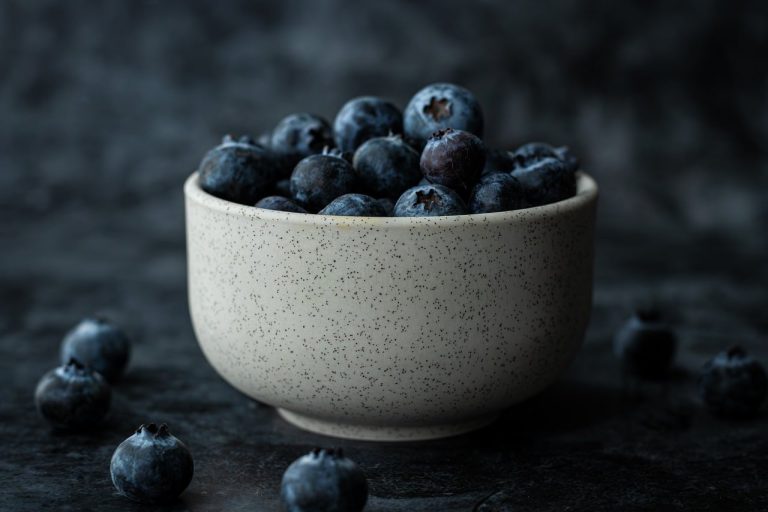
Apples, pears, berries, kiwi, and citrus fruits are especially helpful because they contain fibers and polyphenols that support the microbiome. Berries are a smart option if you are focused on weight loss since they provide sweetness with relatively modest sugar content. Apples and pears can be excellent for snacking when paired with nut butter or yogurt.
When you choose organic versions of these fruits, you are also reducing exposure to residues on produce that is often eaten with the skin on. That is one reason many clean eating enthusiasts prioritize organic apples, berries, and leafy greens first.
3. Fermented foods that add living cultures
Fermented foods deserve a special place in any organic diet plan because they can help populate the gut with beneficial bacteria. Options such as plain organic yogurt, kefir, sauerkraut, kimchi, miso, and tempeh can support digestive balance when included regularly and in reasonable portions. The key is to start slowly if you are new to fermented foods, especially if your digestion is sensitive.
Ask yourself: do you eat enough foods that actively support microbial diversity, or are your meals mainly built from refined grains and packaged snacks? The answer can make a noticeable difference over time.
4. Organic legumes and whole grains
Lentils, chickpeas, black beans, oats, quinoa, and brown rice can be powerful allies for gut health when prepared well. They provide both fiber and slow-digesting carbohydrates, which support stable energy and can make weight loss more manageable by improving satiety. For some people, these foods also help reduce the urge to overeat later in the day.
If beans tend to cause discomfort, soak them, rinse them thoroughly, and start with smaller portions. Gradual introduction often works better than forcing large servings too soon. Organic legumes may feel easier to incorporate into soups, salads, grain bowls, and stews because they blend naturally into meals centered on clean eating.
5. Healthy fats from organic sources
Avocados, extra-virgin olive oil, walnuts, chia seeds, flaxseeds, and hemp seeds support the gut by helping you feel satisfied and by contributing to anti-inflammatory eating patterns. Healthy fats also improve the absorption of fat-soluble nutrients found in vegetables. That is one reason a salad with olive oil and seeds is more nourishing than a plain bowl of greens.
For a healthy lifestyle, fat should never be treated as the enemy. In the right forms and amounts, it helps your digestive system and supports long-term adherence to a sustainable organic food routine.
How Clean Eating Supports a More Balanced Microbiome
Clean eating is often misunderstood as a rigid set of rules, but in reality it is simply a practical way to reduce noise in your diet. The more your meals rely on whole ingredients, the easier it becomes to identify which foods truly help you feel well. Organic food fits beautifully into that pattern because it usually comes with fewer additives, less packaging, and more direct ties to the way food is grown.
A balanced microbiome needs variety, and clean eating provides that variety in a more natural form. Instead of repeated exposure to ultra-processed foods that may be low in fiber and high in added sugar, you begin offering your gut a richer range of nutrients. Over time, that can improve digestion, reduce bloating, and support more stable hunger signals. Could this be one reason many people experience effortless progress when they stop dieting harshly and start eating better?
Stable blood sugar makes digestion easier
When meals are balanced, blood sugar tends to stay steadier. That matters because spikes and crashes can influence cravings, mood, and energy. A clean eating approach built around organic protein sources, vegetables, healthy fats, and smart carbohydrates helps reduce the roller coaster effect that often leads to snacking and overeating. This is one of the most overlooked links between nutrition and weight loss.
Simple combinations such as eggs with spinach, yogurt with berries, salmon with vegetables, or lentils with olive oil can go a long way toward supporting both digestion and satiety.
Inflammation often eases when food quality improves
Chronic inflammation can be a hidden factor in bloating, sluggish digestion, and general discomfort. While food alone is not the only influence on inflammation, a diet rich in colorful organic produce, omega-3 fats, herbs, spices, and fermented foods can help the body shift toward a calmer internal environment. This is one reason the most effective detox diet is usually not a short-term cleanse but a long-term reduction in inflammatory food patterns.
When your meals consistently support the gut lining and microbial balance, your body can spend less energy reacting and more energy functioning. That is a powerful shift for anyone seeking better health without unnecessary complexity.
A Simple Organic Gut Health Day of Eating
One of the easiest ways to make organic food work for you is to build a day of eating around digestion-friendly meals that are satisfying, colorful, and realistic. The goal is not to be perfect. The goal is to create a structure that you can repeat often enough to matter.
Breakfast: gentle, filling, and protein-rich
Start with something that combines protein, fiber, and a little healthy fat. Examples include organic yogurt with berries and flaxseed, oats with chia and cinnamon, or eggs with sautéed greens and avocado. These meals are simple, quick, and supportive of a stable appetite through the morning.
Lunch: colorful and balanced
A grain bowl with organic quinoa, roasted vegetables, leafy greens, chickpeas, olive oil, and herbs is a strong option. If you prefer salads, make sure the bowl includes enough substance to satisfy you. Add grilled chicken, tofu, salmon, lentils, or hemp seeds so it feels like a real meal rather than a side dish.
[IMAGE: healthy meal]
Snack: light but purposeful
Choose snacks that help rather than hinder digestion. Great options include an apple with almond butter, cucumber slices with hummus, plain kefir, a handful of walnuts, or carrot sticks with guacamole. These choices support clean eating without creating a blood sugar crash later.
Dinner: warm, soothing, and easy to digest
Many people feel their best with a dinner that is not too heavy. Think baked salmon with steamed broccoli, lentil soup with herbs, stir-fried vegetables with brown rice, or turkey with roasted squash. If you are experimenting with a detox diet approach, dinner is a good place to keep things simple and gentle.
Hydration throughout the day
Water supports digestion, but so do herbal teas and mineral-rich broths. Peppermint, ginger, chamomile, and fennel tea may be especially comforting for sensitive digestive systems. Hydration is one of the most underrated elements of nutrition because it affects everything from bowel regularity to energy and appetite control.
Organic Foods That Can Support Weight Loss Without Harsh Restriction
Weight loss does not have to mean starving yourself or eliminating entire food groups. In fact, the most reliable progress often comes from eating enough of the right foods. Organic food can support this approach because it naturally centers your meals on quality instead of empty calories.
High-volume vegetables, lean organic protein sources, fiber-rich beans, and whole grains can help you feel full on fewer calories without leaving you depleted. This matters because extreme restriction often backfires. When the body feels underfed, cravings intensify, energy drops, and the cycle becomes difficult to maintain.
- Choose high-fiber vegetables at every meal
- Include protein to improve satiety
- Use healthy fats in measured portions
- Keep snack choices simple and intentional
- Prioritize meals that feel satisfying, not punishing
The best weight loss strategy is one you can continue without resentment. Organic food helps many people stay on track because it feels clean, fresh, and naturally nourishing. That psychological effect matters more than many people realize. When food feels good, consistency becomes much easier.
Why fullness matters more than perfection
If your diet is too restrictive, your body will notice. Hunger, fatigue, and frustration make even the strongest motivation fade. Instead, build meals that keep you satisfied for hours. A balanced plate with vegetables, protein, and slow-digesting carbohydrates can reduce impulse eating and support a more stable relationship with food. That is where lasting weight loss often begins.
Detox Diet Myths: What Your Gut Actually Needs
The phrase detox diet is often used in ways that are more dramatic than useful. Your body already has powerful detoxification systems, especially the liver, kidneys, lungs, and digestive tract. What those systems need is support, not punishment. The most effective way to support detoxification is through a clean eating pattern that prioritizes organic food, hydration, fiber, and sleep.
Instead of chasing juice cleanses or extreme fasts, think about removing the real obstacles. Is your diet overloaded with sugar? Are you relying on processed foods too often? Are you skipping vegetables and then wondering why digestion feels off? These are the questions that matter most.
Support the body instead of forcing it
A true detox-friendly routine includes cruciferous vegetables, herbs, citrus, berries, leafy greens, water, and adequate protein. It also includes enough calories to keep your body functioning properly. Detoxification is not about deprivation. It is about giving your body the materials it needs to process waste efficiently.
Organic food helps here because it encourages a more natural pattern of eating. You are less likely to rely on heavy sauces, artificial sweeteners, and processed snacks when your kitchen is stocked with cleaner ingredients.
Fasting is not required for everyone
Some people enjoy intermittent fasting, and others feel better eating more regularly. Neither choice is automatically superior. If gut health is your main goal, focus first on the quality of what you eat, not just the timing. A nourishing breakfast, a balanced lunch, and a lighter dinner may improve digestion more effectively than a strict eating window that leaves you stressed.
[IMAGE: fitness lifestyle]
Common Organic Diet Mistakes That Can Slow Your Progress
Even the most health-conscious eater can get tripped up by a few common habits. Understanding these mistakes can save you time, money, and frustration.
- Relying on packaged organic snacks: Organic does not automatically mean nutritious. Chips, cookies, and bars can still be highly processed.
- Not eating enough fiber: A gut-friendly diet needs vegetables, legumes, fruits, and whole grains consistently.
- Ignoring protein: Protein supports satiety and recovery, especially if your healthy lifestyle includes exercise.
- Switching too abruptly: A sudden increase in fiber or fermented foods can cause discomfort. Build gradually.
- Assuming all detox trends work: Real progress comes from sustainable habits, not from short-lived extremes.
- Overcomplicating meals: Simple meals are often the most effective and easiest to maintain.
The more honest you are about your routine, the better your results will be. Ask yourself whether your diet is actually supporting your digestion or simply appearing healthy on the surface. That distinction can change everything.
How to Build an Organic Grocery List That Supports Digestion
A smart grocery list is one of the most practical tools for maintaining a healthy diet. If you want your kitchen to support gut health automatically, stock it with ingredients that make clean eating easy rather than difficult.
Produce to prioritize
- Spinach, kale, arugula, and mixed greens
- Broccoli, cauliflower, Brussels sprouts, and cabbage
- Carrots, beets, sweet potatoes, and squash
- Apples, berries, kiwi, oranges, and pears
- Cucumbers, celery, zucchini, and tomatoes
Pantry staples worth keeping on hand
- Organic oats, quinoa, brown rice, and lentils
- Chia seeds, flaxseeds, hemp seeds, walnuts, and almonds
- Olive oil, avocado oil, apple cider vinegar, and nut butters
- Herbs and spices such as turmeric, ginger, cinnamon, and cumin
- Low-sugar herbal teas and mineral-rich broth
Refrigerator basics for quick meals
- Organic yogurt or kefir
- Eggs, tofu, salmon, chicken, or tempeh
- Sauerkraut, kimchi, and hummus
- Pre-washed greens and cut vegetables
The simpler your kitchen setup, the easier it is to stay consistent. If you open your fridge and see the building blocks of healthy meals, you are much more likely to make choices that support nutrition instead of defaulting to convenience food.
How to Make Organic Food Affordable and Realistic
Many people assume organic food is out of reach, but a few strategic choices can make it much more manageable. You do not need to buy every item organic to benefit from this way of eating. Begin with the foods you consume most often and the produce you usually eat with the skin on.
Shop smarter, not harder
- Buy seasonal produce for better value and flavor
- Choose frozen organic vegetables when fresh options are expensive
- Prioritize a few high-impact items instead of overbuying
- Cook in batches so ingredients are used before they spoil
- Plan meals around what is already in your pantry
Another useful strategy is to build meals around economical staples such as oats, lentils, eggs, cabbage, carrots, and brown rice. These foods are affordable, filling, and deeply compatible with clean eating. When you combine them with a few fresh organic ingredients, you can create meals that feel high-end without draining your budget.
Who Benefits Most from a Gut-Friendly Organic Approach?
Almost anyone can benefit from paying more attention to gut health, but this approach is especially useful if you deal with bloating, irregular digestion, low energy, cravings, or difficulty maintaining weight loss. It is also helpful if you want a more stable, less stressful relationship with food. Organic food can act as a bridge between aspiration and action, making the healthy choice feel more natural.
If you are active, prioritizing digestion also helps recovery and nutrient absorption. If you are busy, a well-structured organic routine can reduce decision fatigue. If you are trying to support healthy aging, the combination of fiber, antioxidants, and balanced meals can make a noticeable difference in daily comfort and resilience.
That said, no single food style works perfectly for everyone. Some people need more fermented foods, while others do better with gentler options. Some thrive on higher carbohydrate intake, while others prefer a lower-carb organic pattern. The point is not to follow someone else’s ideal. The point is to observe how your body responds and adjust accordingly.
Practical Habits That Make the Biggest Difference
If you want the benefits of organic food to show up in real life, focus on habits that are easy to repeat. The following actions tend to create the strongest results over time:
- Eat vegetables at most meals
- Include protein with breakfast, lunch, and dinner
- Keep sugary snacks as occasional treats instead of daily staples
- Drink enough water to support digestion and energy
- Slow down while eating so fullness cues have time to register
- Notice which foods make you feel lighter and clearer
- Prepare a few meals ahead to avoid impulsive choices
These habits may seem simple, but they are powerful because they are sustainable. And sustainability is the real secret behind a healthy lifestyle. Not intensity. Not perfection. Not a dramatic detox diet that lasts three days and disappears. Real results come from routine, and routine is built one meal at a time.
When you use organic food as a foundation for clean eating, you are doing more than improving your grocery cart. You are giving your gut the conditions it needs to function well, helping your body manage weight more naturally, and creating a style of eating that feels calmer and more nourishing day after day. If you are ready to keep refining your nutrition and discover more practical ways to support your healthy lifestyle, explore more DietOrganic articles and keep building the version of wellness that actually fits your life.
About the Author