
Photo by Port of San Diego on Openverse
If you have ever wondered why one person can follow the same healthy diet as everyone else and still feel bloated, sluggish, or constantly hungry, the answer often begins in the gut. Digestive health is not just about comfort after meals. It influences energy, immunity, cravings, mental clarity, and even how easily your body manages weight. That is why organic food has become such a powerful part of modern clean eating. When your meals are built around nutrient-dense, minimally processed ingredients, your digestive system can work the way it was designed to work.
This article explores how organic foods for gut health can support better digestion, a healthier metabolism, and sustainable weight loss without extreme rules or artificial detox shortcuts. You will discover which foods are worth prioritizing, how to combine them into a practical daily routine, and why small changes in nutrition can create surprisingly big results. Could the key to feeling lighter and more energized be simpler than you think?
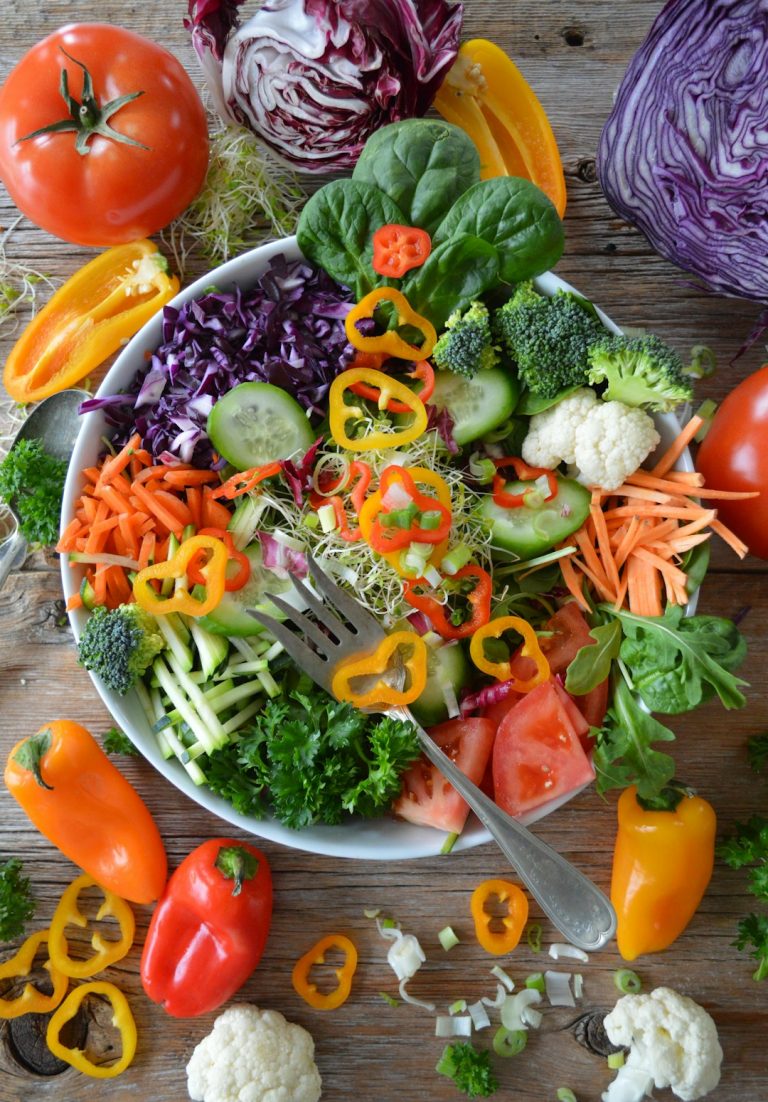
[IMAGE: organic vegetables]
Why Gut Health Matters More Than Most People Realize
Your gut is home to trillions of microorganisms that help break down food, produce certain vitamins, support immune function, and communicate with the rest of your body. This ecosystem, often called the gut microbiome, thrives when your diet provides enough fiber, plant diversity, and naturally fermented foods. When it is out of balance, people often notice the effects in ways that seem unrelated at first: poor digestion, irregular bowel movements, skin flare-ups, energy crashes, and cravings for sugar or refined carbs.
A healthy digestive system also matters for anyone interested in weight loss. Why? Because your body absorbs nutrients more efficiently when your gut is functioning well, and balanced blood sugar tends to reduce overeating. In other words, gut health can influence how satisfied you feel after meals and how often you reach for snacks. That is one reason clean eating is so effective when it focuses on whole organic food rather than processed products marketed as healthy.
Many people think of a detox diet as something extreme, but your body already has an intelligent detox system involving the liver, kidneys, skin, and digestive tract. The real goal is not to force detoxification with harsh cleanses. It is to support those systems with the right nutrition. Organic foods rich in fiber, antioxidants, and natural enzymes help create an internal environment where digestion feels smoother and less strained.
How Organic Food Supports a Healthier Microbiome
Choosing organic food is not a magic fix, but it can be a meaningful part of a gut-friendly lifestyle. Organic produce is grown without many synthetic pesticides and fertilizers, which some people prefer when they are trying to reduce exposure to unnecessary chemicals. For a healthy lifestyle centered on clean eating, this can be especially appealing because the focus is on whole foods in their most natural form.
More importantly, many organic foods are rich in compounds that support the gut microbiome. Fiber acts like fuel for beneficial bacteria. Polyphenols found in berries, greens, herbs, and spices can help encourage microbial diversity. Fermented organic foods bring live cultures to the table, while whole grains and legumes provide slow-digesting carbohydrates that keep blood sugar steadier. These are the kinds of ingredients that make a healthy diet feel nourishing instead of restrictive.
When your meals include a variety of plant foods, your microbiome usually benefits from that diversity. A colorful organic plate is not only beautiful to look at; it is also a practical way to feed different strains of beneficial bacteria. Have you noticed how much better you feel when your meals look fresh, vibrant, and balanced?
The Best Organic Foods for Gut Health
Not all healthy foods are equal when the goal is better digestion. Some are especially effective because they combine fiber, hydration, prebiotics, or probiotics. The following foods deserve a regular place in a gut-friendly organic diet.
1. Organic leafy greens
Spinach, kale, arugula, romaine, and Swiss chard are among the most valuable foods for digestive support. They are low in calories, high in water, and loaded with fiber, folate, and antioxidants. Leafy greens help support bowel regularity while also fitting beautifully into a weight loss plan because they add volume to meals without making them heavy.
Try adding a handful of greens to smoothies, omelets, soups, and grain bowls. If raw salads sometimes feel difficult to digest, lightly sautéing greens in olive oil with garlic can make them gentler on the stomach while preserving much of their nutritional value.
2. Organic berries
Blueberries, raspberries, strawberries, and blackberries are often recommended in nutrition plans for good reason. They are rich in fiber and polyphenols, which support the gut microbiome and help protect cells from oxidative stress. Their naturally sweet flavor also makes them a smart substitute for processed desserts in a clean eating routine.
A bowl of organic berries can be an ideal breakfast topping or afternoon snack. Pair them with plain yogurt, chia seeds, or oats for a meal that feels indulgent but stays aligned with your nutrition goals. If you want a sweet option that supports weight loss rather than derailing it, berries are one of the easiest choices.
3. Organic oats and whole grains
Organic oats, quinoa, brown rice, millet, and buckwheat provide steady energy and important fiber. Oats are especially useful because they contain beta-glucan, a type of soluble fiber that may help support healthy cholesterol levels and promote a feeling of fullness. For people trying to improve digestion and manage cravings, this matters.
Whole grains also make it easier to build balanced meals. A breakfast of organic oats with berries and seeds can keep you satisfied for hours. At lunch, a quinoa bowl with vegetables and avocado offers a satisfying mix of fiber, healthy fats, and complex carbohydrates. If your diet has been heavy in refined grains, switching to whole grains can feel like a genuine upgrade in both taste and energy.
4. Organic yogurt and kefir
When tolerated well, plain organic yogurt and kefir can be excellent sources of probiotics. These live cultures may help support a balanced gut environment and improve digestion for some people. They are also convenient, which makes them especially useful for busy people who want healthy meal options without a long preparation time.
Choose unsweetened versions whenever possible so you can avoid added sugars that may interfere with your clean eating goals. Add berries, cinnamon, or ground flaxseed for flavor and texture. If dairy does not agree with you, look for fermented plant-based alternatives with live active cultures and a short ingredient list.
5. Organic sauerkraut and kimchi
Fermented vegetables are some of the most powerful foods for gut health because they can provide both probiotics and prebiotics. Organic sauerkraut and kimchi bring tang, crunch, and depth to meals while helping to diversify the gut microbiome. Small servings can go a long way, so a spoonful or two is often enough to make a meal more digestively supportive.
Use them as a topping for grain bowls, grilled vegetables, eggs, or lean protein. Because these foods are naturally flavorful, they can reduce the need for heavy sauces or overly salty condiments. If you enjoy bold flavors, fermented foods may become one of the easiest habits in your healthy lifestyle routine.
6. Organic legumes
Lentils, chickpeas, black beans, and other legumes are often overlooked by people who worry they may be hard to digest. Yet when prepared well, they are a powerhouse for gut health. Legumes are rich in fiber, resistant starch, and plant protein, all of which help feed beneficial bacteria and keep meals satisfying.
If beans have caused discomfort in the past, start with smaller portions and rinse canned organic legumes thoroughly. Soaking dried legumes and cooking them until tender can also improve digestibility. Add lentils to soups, chickpeas to salads, or black beans to vegetable bowls for a filling meal that supports both digestion and weight loss.
7. Organic ginger and turmeric
Ginger has long been used to soothe the digestive system, and turmeric is widely appreciated for its anti-inflammatory properties. Together, they are excellent additions to a detox diet focused on nourishment instead of deprivation. Ginger can help ease feelings of nausea and support stomach comfort, while turmeric pairs well with black pepper and healthy fats for better absorption.
Fresh ginger can be grated into tea, smoothies, stir-fries, and soups. Turmeric can be stirred into golden milk, rice dishes, and curries. These ingredients bring warmth and color to organic food meals while supporting the kind of internal balance that makes healthy eating feel more restorative.
8. Organic apples, pears, and other soluble-fiber fruits
Apples and pears are rich in pectin, a soluble fiber that supports healthy digestion and may contribute to a more balanced gut environment. They are convenient, portable, and naturally sweet, which makes them excellent choices for clean eating snacks. Instead of reaching for packaged bars or sugary treats, try pairing fruit with nut butter or a handful of seeds.
The goal is not to eat the same fruit every day, but to create variety across the week. The more diversity you bring to your diet, the more nutrients you provide your body and gut microbes. That is one reason simple organic food routines often produce better long-term results than complicated meal plans.
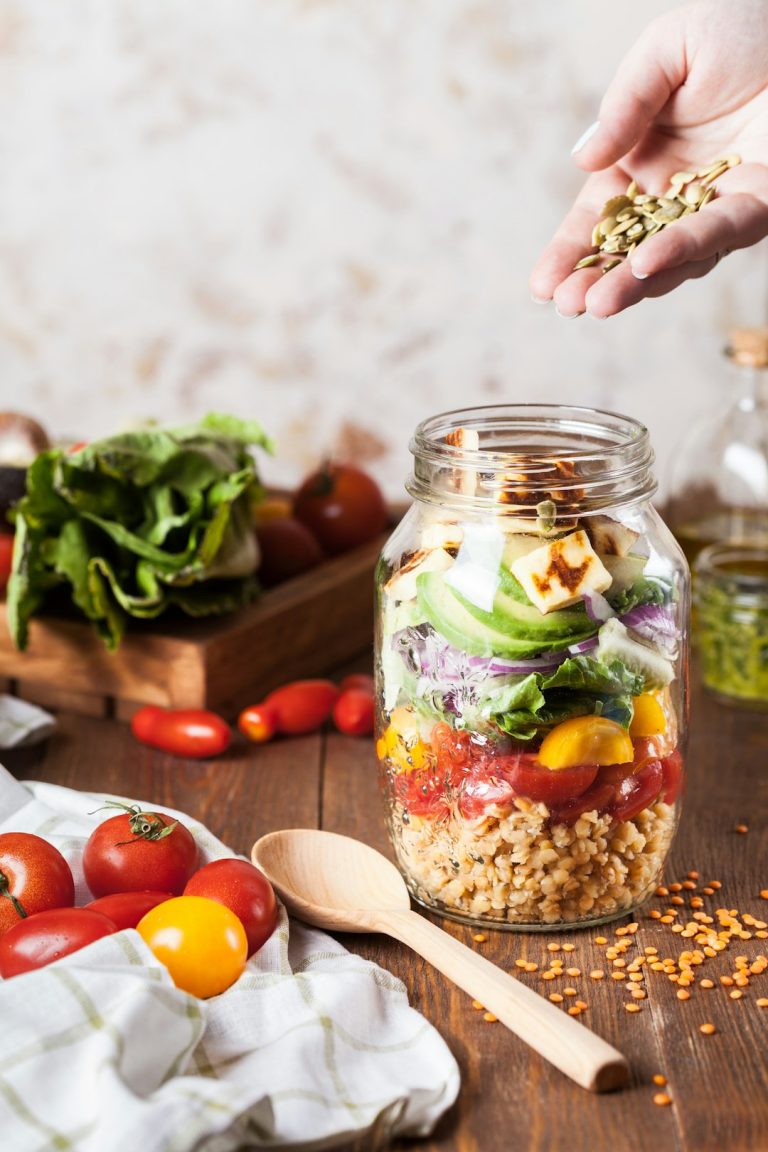
[IMAGE: healthy meal]
What a Gut-Friendly Organic Day of Eating Can Look Like
People often ask whether a healthy diet built around organic food has to be complicated. The answer is no. In fact, the best plans are usually the simplest ones because they are easier to repeat. A balanced day can be built around fiber, protein, hydration, and moderate portions of healthy fats.
Here is an example of how a clean eating day might unfold:
- Breakfast: Organic oats topped with blueberries, chia seeds, and plain yogurt.
- Mid-morning: An apple with almond butter or a small kefir smoothie.
- Lunch: Quinoa bowl with leafy greens, chickpeas, cucumber, avocado, and olive oil dressing.
- Afternoon: Sauerkraut on the side with vegetable soup or a handful of walnuts and berries.
- Dinner: Salmon or tofu with roasted broccoli, sweet potato, and turmeric-seasoned rice.
This kind of menu is not flashy, but it works because it offers the body what it needs without excess. You get fiber for digestion, protein for satiety, and enough flavor to avoid the burnout that often comes from bland dieting. If your current meals leave you tired or unsatisfied, what would happen if you gave your body more of what it truly needs?
Clean Eating Habits That Make Organic Food Work Better
Buying organic ingredients is only one part of the process. The way you eat matters too. Even the most nutrient-dense foods can feel unsatisfying if you eat too quickly, skip meals, or rely on extreme restrictions. Clean eating should support your life, not control it.
Eat more slowly and with attention
Digestion begins before the food reaches your stomach. When you slow down, chew well, and avoid rushing through meals, your body has a better chance to register fullness and digest food comfortably. This simple habit can reduce bloating and make weight loss easier because you are less likely to overeat.
Stay hydrated throughout the day
Water supports digestion, nutrient transport, and regular bowel movements. Herbal teas, infused water, and broth-based soups can also contribute to hydration. If fiber is increasing in your diet, drinking enough fluids becomes even more important because fiber works best when paired with hydration.
Balance fiber with protein and healthy fats
A gut-friendly meal is not just about vegetables. It also needs protein and healthy fats to keep you satisfied. Eggs, fish, tofu, seeds, nuts, and olive oil all help stabilize energy and make meals more complete. This balance is especially helpful if your goal is healthy weight loss rather than short-term dieting.
Introduce new foods gradually
Even nutritious foods can cause discomfort if you add too much too quickly. If your gut is sensitive, build up gradually. Start with one or two new fiber-rich ingredients per day rather than revamping every meal at once. This gives your digestive system time to adjust and helps you identify what works best for your body.
[IMAGE: fitness lifestyle]
How Organic Foods Can Support Weight Loss Without Harsh Restrictions
Weight loss becomes more sustainable when the foods you eat help you feel full, energized, and mentally clear. That is where organic food can be especially helpful. When meals are built from whole ingredients, they often contain fewer empty calories and more satiety per bite. You are less likely to find yourself raiding the pantry an hour later because your lunch was too processed or too light on nutrients.
Fiber-rich organic foods can help reduce overeating by supporting fullness. Fermented foods may make digestion feel more comfortable, which can encourage consistency. Stable digestion, in turn, supports consistent eating habits. That kind of rhythm matters much more than a dramatic detox diet that disappears after three days.
It is also easier to maintain a healthy lifestyle when your food tastes good and feels satisfying. Organic vegetables can be roasted until caramelized, herbs can brighten simple dishes, and berries can satisfy a sweet tooth without pushing you toward processed desserts. The result is a way of eating that feels generous rather than punishing.
Instead of asking, How can I eat less? try asking, How can I nourish myself better? That shift in perspective changes everything. It encourages you to build meals with purpose, choose foods that support your digestion, and stay consistent without feeling deprived.
Common Mistakes to Avoid on an Organic Gut Health Plan
Even the best intentions can be undermined by a few common mistakes. Avoiding these pitfalls can make your healthy diet more effective and easier to sustain.
1. Relying only on salads
Salads are healthy, but they are not enough on their own. If your meals are mostly raw vegetables without protein, fats, or cooked foods, you may feel hungry, cold, or unsatisfied. A gut-friendly plan should include both raw and cooked ingredients for better variety and digestion.
2. Choosing packaged organic junk food
Organic labels can be misleading if the product is still highly processed, sugary, or low in nutrients. Organic cookies are still cookies. Organic chips are still chips. Clean eating works best when it emphasizes whole organic food rather than relying on the label alone.
3. Forgetting about portion balance
Even healthy foods can become too much if portions are out of balance. Nuts, oils, avocados, and grain-based foods are nutritious, but they are also energy-dense. Paying attention to portions helps support weight loss goals without making meals feel skimpy.
4. Jumping into a detox too aggressively
A detox diet should not leave you exhausted, hungry, or irritable. If you drastically cut calories or eliminate too many foods at once, your body may rebel. A smarter approach is steady improvement: more plants, more hydration, more fiber, and less processed food.
5. Ignoring stress and sleep
Nutrition matters, but so do stress management and sleep. The gut-brain connection is real, and chronic stress can affect digestion, cravings, and inflammation. If you are eating well but feeling unwell, your recovery habits may need attention too.
Smart Organic Grocery Staples for Better Digestion
A strong kitchen makes healthy eating easier. If you want to create a gut-friendly organic food routine, start with a few reliable staples and build from there. The following items can help you prepare meals quickly while keeping your nutrition on track:
- Organic spinach, kale, and mixed greens
- Fresh or frozen organic berries
- Organic oats and quinoa
- Lentils, chickpeas, and black beans
- Plain organic yogurt or kefir
- Sauerkraut or kimchi with live cultures
- Ginger, turmeric, garlic, and cinnamon
- Avocados, walnuts, chia seeds, and flaxseeds
- Apples, pears, and citrus fruit
- Olive oil and apple cider vinegar
With these basics in your kitchen, you can build breakfast bowls, lunch salads, warm dinners, and snack plates without much effort. That is the secret to consistency: not a perfect plan, but a kitchen that makes good choices easy.
Simple Meal Prep Ideas for Busy People
One of the most practical ways to stay committed to clean eating is to prepare a few ingredients ahead of time. You do not need to cook everything for the week, and you certainly do not need to spend your entire Sunday in the kitchen. A little planning can save time and reduce reliance on convenience foods.
Here are a few high-impact meal prep ideas:
- Wash and chop leafy greens, cucumbers, and carrots for quick lunches.
- Cook a batch of quinoa, brown rice, or oats for easy grain bowls.
- Prepare a jar of chia pudding with berries for grab-and-go breakfasts.
- Roast a tray of broccoli, sweet potatoes, and cauliflower for dinner sides.
- Keep fermented vegetables in the fridge to add flavor in seconds.
- Portion out nuts and seeds into small containers for controlled snacking.
The point is not perfection. It is creating a healthy routine that removes friction. The fewer decisions you have to make when you are tired or busy, the easier it becomes to stay aligned with your nutrition goals.
When Organic Eating Supports More Than Digestion
Gut health is often where the benefits begin, but it is rarely where they end. Many people notice that once they shift to a cleaner organic food pattern, other areas improve too. They may experience steadier energy, fewer cravings, better sleep quality, and a more positive relationship with meals. Some even notice clearer skin or less afternoon brain fog.
This is one reason organic food is so appealing within a healthy lifestyle framework. It does not require dramatic rules to be effective. It simply asks you to choose foods that are closer to their natural form and to build meals that respect how the body works. That approach can feel more realistic than trendy plans that promise quick results and deliver frustration.
If your current diet feels scattered, a gut-friendly clean eating plan can bring structure without rigidity. You eat enough, but not excessively. You focus on quality, but not obsession. You honor digestion, but you do not turn every meal into a science experiment. The result is balance, and balance is often what the body responds to best.
How to Start Without Overwhelming Yourself
Starting small is often the smartest approach. Choose one or two changes and repeat them until they feel natural. For example, you might begin by adding a serving of organic greens to lunch every day or replacing a packaged snack with fruit and yogurt. Once that feels easy, add another habit. This method builds momentum without creating burnout.
You might also choose to focus on one goal at a time. If digestion is your biggest concern, prioritize fiber, hydration, and fermented foods. If weight loss is the main goal, build meals that keep you full and reduce impulse snacking. If you are trying to create a broader healthy lifestyle, then aim for balance across meals, sleep, movement, and stress reduction.
Ask yourself a few honest questions: Which meals leave me energized? Which foods make me feel heavy or uncomfortable? Where can I make one simple improvement this week? Small, thoughtful adjustments often create the most durable transformation.
The most effective organic diet is the one you can actually live with. When your meals are built around nourishing ingredients, your gut has a better chance to function smoothly, your cravings often become easier to manage, and healthy weight loss feels less like a battle and more like a natural result of better choices. Keep it simple, keep it colorful, and keep returning to real food that supports your body from the inside out. If this approach speaks to you, explore more articles on DietOrganic and keep building the kind of clean eating routine that feels sustainable, satisfying, and genuinely worth repeating.
About the Author