

Photo by Annushka Ahuja on Pexels
When people talk about a healthy diet, they often focus on calories, carbs, or workout routines, but the real story usually starts deeper down in the digestive system. Your gut influences how you absorb nutrients, how steady your energy feels, how often cravings strike, and even how easily you manage weight loss. That is why a clean eating approach built around organic food can feel so transformative. It is not just about eating less or cutting out one food group. It is about giving your body ingredients it can recognize, digest, and actually use.
Organic food is especially compelling for gut health because it often comes with fewer synthetic pesticide residues and a stronger emphasis on whole, minimally processed ingredients. When you combine that with fiber-rich produce, fermented foods, quality protein, and smart hydration, you create a foundation that supports digestion from multiple angles. Have you ever noticed how some meals leave you energized while others leave you sluggish, bloated, or hungry again in an hour? That difference is not random. It is your gut responding to what you fed it.
This guide explores how organic food fits into a healthy lifestyle, why your microbiome matters for clean eating and weight loss, and which simple habits can help you feel lighter, more comfortable, and more consistent. Think of it as a practical detox diet strategy without the extremes, the hype, or the frustration. With the right structure, you can nourish your digestion, support metabolism, and build a routine that feels realistic enough to keep.
Why Gut Health Is the Hidden Engine of a Healthy Diet
The gut is much more than a place where food is broken down. It is a busy communication center where hormones, immune signals, and microbial activity interact all day long. A balanced gut environment helps you extract nutrients more efficiently, regulate appetite more naturally, and maintain steadier blood sugar. When that balance is off, the effects can show up everywhere: bloating, irregular digestion, mood swings, stubborn cravings, and a sense that your clean eating plan is not quite working the way it should.
That is why organic food can be such a useful part of a nutrition strategy. A diet built on whole, organic produce, legumes, nuts, seeds, and fermented foods gives your body a diverse range of fibers and plant compounds that feed beneficial bacteria. Those bacteria, in turn, produce compounds that support the intestinal lining and influence inflammation levels. If you have been chasing weight loss without much success, ask yourself this: is the problem truly willpower, or is your digestion struggling to cooperate?
How the microbiome shapes cravings, energy, and weight loss
Your microbiome is the ecosystem of bacteria living in your digestive tract. When it is well-fed and diverse, it helps regulate hunger signals and supports smoother digestion. When it is undernourished, overprocessed foods can dominate the landscape, and cravings may rise. This is one reason a clean eating plan works better when it is not built on deprivation. Organic food that is naturally rich in fiber and nutrients encourages the microbes associated with satiety, stable energy, and better nutrient use. Over time, that can make healthy eating feel easier rather than stricter.
There is also a practical weight loss advantage. When digestion is efficient, meals tend to satisfy you for longer. You are less likely to chase quick energy through snacks, sugary drinks, or random bites throughout the day. Better gut health does not magically melt fat, but it often removes the friction that makes a healthy diet hard to sustain. In other words, a calmer gut can create a calmer appetite.
Signs your digestion needs more support
If you are unsure whether your current routine needs a reset, these common signs may be worth paying attention to:
- Frequent bloating after meals
- Irregular bowel movements
- Cravings for sugar or highly processed snacks
- Feeling tired soon after eating
- Reflux or discomfort after rich foods
- A sense that healthy meals do not keep you full
- Brain fog that seems linked to food choices
These signals do not mean something is wrong with you. They usually mean your body is asking for a simpler, cleaner, more supportive food pattern. That is exactly where organic food can help.
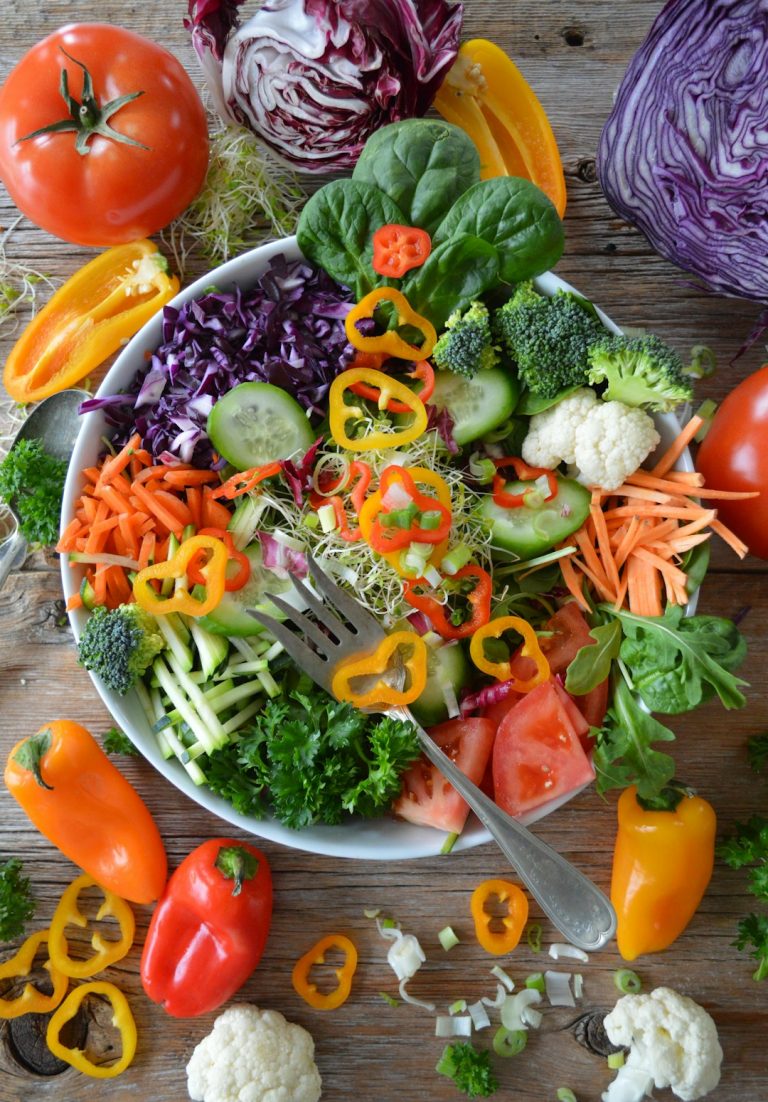
[IMAGE: organic vegetables]
Organic Foods That Support a Healthier Gut
Not every food labeled organic is automatically helpful for digestion, but certain categories deserve a regular place on your plate. The best choices are the ones that bring fiber, natural enzymes, antioxidants, and beneficial microbes or prebiotics into your day. A smart organic diet is less about novelty and more about consistency. The goal is not to collect trendy ingredients. The goal is to feed your gut well enough that it can do its job quietly and efficiently.
1. Leafy greens and cruciferous vegetables
Organic leafy greens such as spinach, kale, romaine, and arugula offer fiber, magnesium, and plant compounds that support digestion and overall nutrition. Cruciferous vegetables like broccoli, cauliflower, cabbage, and Brussels sprouts bring even more support through their unique sulfur compounds and fiber profile. These vegetables are often central to a detox diet because they help the body process waste efficiently while keeping meals light but satisfying.
Cook them gently if raw vegetables tend to bloat you. Steamed broccoli, sautéed greens, or a warm vegetable bowl can be easier on the stomach than a huge raw salad. The best version of clean eating is the one your body actually tolerates.
2. Fermented organic foods
Fermented foods are among the most interesting tools in gut-friendly nutrition. Organic yogurt, kefir, sauerkraut, kimchi, miso, and fermented vegetables can contribute live cultures that support microbial diversity. They are not a replacement for fiber, but they are a valuable complement. Adding even a small serving to a meal can help create a more balanced digestive environment.
Start slowly if you are new to them. A spoonful of sauerkraut with lunch or a small bowl of organic yogurt in the morning may be enough at first. More is not always better, especially when you are teaching your digestive system to adapt. Why force a huge change when a small one can build momentum?
3. Fiber-rich fruits, seeds, and grains
Organic berries, apples, pears, chia seeds, flaxseeds, oats, quinoa, and lentils all bring a combination of soluble and insoluble fiber that supports regularity and satiety. Soluble fiber can help feed beneficial gut bacteria, while insoluble fiber adds bulk that helps keep digestion moving. This is one of the simplest ways to support a healthy lifestyle without complicated supplements or rigid rules.
If you want your organic food plan to help with weight loss, these foods are essential. Fiber slows digestion in a helpful way, making meals feel more complete and reducing the urge to snack too soon. A breakfast of oats with berries and chia seeds can feel like a comfort food, but it functions like a strategic nutrition choice.
Best choices to keep on hand
- Organic spinach, kale, and arugula
- Broccoli, cabbage, and cauliflower
- Blueberries, raspberries, apples, and pears
- Chia seeds, flaxseeds, and hemp seeds
- Organic oats, quinoa, and lentils
- Plain organic yogurt or kefir
- Sauerkraut or kimchi with minimal additives
Keep these ingredients visible in your kitchen. What you see is often what you eat, especially on busy days.
A Clean Eating Framework That Works in Real Life
The most effective healthy diet is not the most dramatic one. It is the one that fits your schedule, satisfies your appetite, and leaves room for real life. Clean eating becomes far more manageable when you use a simple structure instead of trying to improvise every meal. Organic food is easier to use consistently when you know what your plate should look like before you open the fridge.
Build each plate around three pillars
- Fiber: Vegetables, fruit, beans, seeds, or whole grains to support digestion and fullness
- Protein: Eggs, fish, chicken, tofu, tempeh, Greek yogurt, or legumes to support satiety and stable energy
- Healthy fat: Avocado, olive oil, nuts, seeds, or fatty fish to help meals feel complete
When you combine these three elements, you create meals that digest more smoothly and keep hunger in check. This is the kind of meal design that supports weight loss without making you feel deprived. It also helps reduce the chaos of random snacking, which can quietly derail even the best intentions.
A simple formula for breakfast, lunch, and dinner
For breakfast, think of a base of fiber plus protein. Organic oats with chia, yogurt with berries, or eggs with sautéed greens are all strong options. For lunch, aim for a big vegetable component, a solid protein source, and a flavorful fat such as olive oil or avocado. For dinner, keep the same structure but make the meal a little lighter if your digestion tends to slow at night.
Imagine how different your day feels when you stop guessing and start repeating a few nourishing formulas. That is the beauty of a healthy lifestyle: simplicity often works better than complexity.
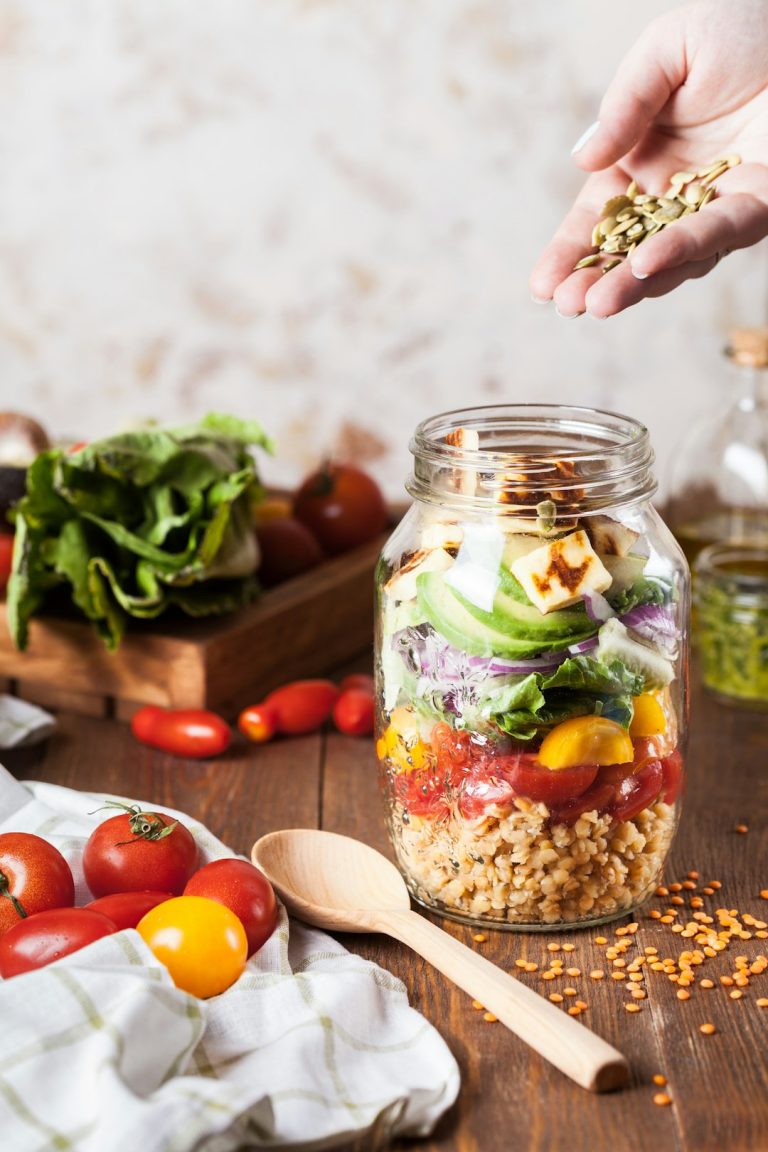
[IMAGE: healthy meal]
Organic Foods to Limit When Gut Health Is the Goal
Even in an organic diet, there are foods that can make digestion harder if they appear too often or in large portions. Organic cookies, organic chips, sugary granola, sweetened yogurt, and refined baked goods may look cleaner than conventional versions, but they can still trigger blood sugar swings and digestive discomfort. Clean eating is not about assuming organic automatically means optimal. It is about choosing foods that actively support your body.
- Highly sweetened snacks, even if organic
- Large portions of refined flour products
- Excessive alcohol, which can irritate the gut lining
- Fried foods that feel heavy and slow to digest
- Sweetened drinks that spike sugar intake without satisfying hunger
- Ultra-processed vegan or gluten-free products made from long ingredient lists
A useful question is this: does this food nourish me, or does it merely fit a label? Sometimes the difference is subtle, but your gut usually knows. If a food regularly leaves you bloated, overly full, or hungrier an hour later, it deserves less space on your plate.
Why timing and consistency matter more than perfection
Many people try to fix digestion by overhauling everything at once, then become discouraged when the changes are too difficult to maintain. A smarter path is to be consistent with a few core habits. Eat at regular times. Chew slowly. Drink enough water. Keep fiber intake steady. Leave room between meals instead of grazing all day. Those habits often do more for the gut than an occasional extreme detox diet ever could.
Perfection is not the goal. Predictability is. Your digestive system tends to respond well when it knows what to expect.
How a Gut-Friendly Organic Diet Can Support Weight Loss
Weight loss usually works best when it feels like a byproduct of better habits rather than a battle of restrictions. A gut-friendly organic food plan supports that by improving satiety, reducing unnecessary cravings, and helping you feel satisfied with less mental effort. When your digestion is steady, it becomes much easier to recognize true hunger instead of emotional or habitual eating.
Reduce cravings by stabilizing blood sugar
Meals built around fiber, protein, and healthy fats digest more slowly and can help keep blood sugar more even. That matters because energy crashes often lead to snack attacks, especially in the afternoon or late evening. Organic berries, oats, legumes, vegetables, eggs, nuts, and yogurt can all help create steadier meals. You may notice that when your blood sugar is calmer, your appetite feels calmer too.
This is one reason a healthy diet does not have to feel punishing. You are not simply avoiding foods; you are replacing them with meals that truly support your body. That shift is psychologically powerful. It turns clean eating into nourishment instead of restriction.
Improve satiety with protein, fiber, and healthy fats
When people say they cannot stick to weight loss, the issue is often not discipline but satisfaction. Meals that are too small, too light, or too refined can trigger a constant search for more food. Organic protein sources such as eggs, poultry, fish, lentils, tofu, and plain Greek yogurt help create lasting fullness. Add fiber from vegetables and whole grains, then bring in olive oil, avocado, nuts, or seeds for richness and texture.
That combination is especially effective because it supports digestion while also making meals enjoyable. Food should not feel like a chore. When it tastes good and feels satisfying, consistency becomes easier.
Support metabolism without gimmicks
You do not need expensive powders or extreme detox promises to support metabolism naturally. You need enough protein to preserve lean tissue, enough fiber to keep digestion efficient, and enough total nourishment so your body does not interpret your routine as deprivation. Organic food can help because it often shifts the focus back to real meals instead of snacking patterns, and real meals are easier to metabolically manage.
Ask yourself: are you trying to trick your body, or are you trying to support it? The second approach usually works better and lasts longer.
[IMAGE: fitness lifestyle]
A 7-Day Gut-Friendly Clean Eating Rhythm
Rather than treating this as a strict meal plan, use the following seven-day rhythm as a flexible guide. The aim is to build variety without overwhelming your system. Each day focuses on a small theme that supports gut health, clean eating, and sustainable weight loss.
Day 1: Start with warmth and simplicity
Begin with warm meals that are easy to digest. Try organic oats for breakfast, a vegetable soup at lunch, and roasted fish or tofu with steamed greens for dinner. Keep sauces light and drink plenty of water throughout the day.
Day 2: Add a fermented food
Include a small serving of yogurt, kefir, sauerkraut, or kimchi. Pair it with fiber-rich foods so your gut gets both probiotics and prebiotics. A breakfast bowl or a lunch salad can work well here.
Day 3: Focus on colorful vegetables
Build your meals around deep greens, orange vegetables, reds, and purples. Color is more than visual appeal; it usually signals diverse plant compounds. Think spinach, carrots, beets, purple cabbage, and berries.
Day 4: Prioritize protein at every meal
Make sure each meal includes a steady protein source. This may mean eggs at breakfast, lentils at lunch, and salmon or tempeh at dinner. Protein helps with satiety and supports the weight loss process in a cleaner, calmer way.
Day 5: Keep sugars intentionally low
Choose naturally sweet foods like berries and apples instead of desserts or sweetened snacks. This does not mean becoming overly rigid. It simply means giving your taste buds a break from constant sugar stimulation.
Day 6: Emphasize hydration and mineral support
Drink water consistently and include foods with natural minerals such as leafy greens, seeds, avocado, and legumes. Hydration helps digestion move smoothly, especially when fiber intake is high.
Day 7: Eat a little lighter and reflect
End the week with meals that feel restorative rather than heavy. A vegetable-based soup, a grain bowl, or a simple salad with protein can be ideal. Use the day to notice what made you feel good and what did not. Your gut gives feedback if you are willing to listen.
This kind of rhythm is useful because it teaches awareness. You learn which foods support you, which patterns drain you, and how to make clean eating feel natural rather than forced.
Practical Shopping and Preparation Tips
A healthy lifestyle is built in the grocery store and the kitchen as much as it is at the table. If your fridge is stocked with supportive ingredients, making better choices becomes far easier. When you shop with intention, organic food becomes a practical tool instead of a luxury item you buy occasionally and forget to use.
Read labels with a gut health mindset
Look beyond marketing words and scan the ingredient list. Shorter is usually better, especially for packaged snacks, sauces, and dairy products. Watch for added sugars, refined oils, and additives that can make products more difficult to digest. A food can be organic and still be highly processed, so label reading matters.
- Choose products with recognizable ingredients
- Look for lower sugar content in yogurts and sauces
- Avoid long lists of gums, fillers, and artificial flavors when possible
- Prioritize items you can use in several meals during the week
How to meal prep without losing freshness
Meal prep does not need to mean eating the same exact meal for five days. Prepare components instead. Roast a tray of vegetables, cook a grain, wash greens, make a simple dressing, and prep a protein source or two. Then mix and match. This keeps food interesting while still reducing decision fatigue.
Try storing fermented foods, herbs, and citrus separately so you can add them fresh before eating. A squeeze of lemon, a spoonful of yogurt sauce, or a sprinkle of pumpkin seeds can transform a simple bowl into something vibrant and satisfying.
Hydration, stress, and sleep matter more than most people think
Digestive health is not built only through food. Water helps move fiber through the system. Stress can disrupt digestion and intensify bloating. Sleep influences hunger hormones and recovery. If you are eating organic food but staying stressed, under-slept, and dehydrated, you may not see the results you expect.
A balanced gut-friendly routine includes all three: nourishing meals, enough water, and a calmer lifestyle. That combination often creates the kind of results people assume come from a complicated detox diet, when in reality they come from consistency.
Common Mistakes That Undermine Results
Even well-intentioned clean eaters can run into a few predictable mistakes. One of the biggest is eating too little in the name of weight loss. Another is replacing meals with smoothies that are too sugary or too low in protein. Some people also increase fiber too quickly, which can lead to bloating and discomfort instead of relief.
- Adding too much fiber overnight instead of gradually
- Skipping meals and then overeating later
- Assuming organic snacks are automatically healthy
- Neglecting protein and healthy fats
- Ignoring sleep, hydration, and stress management
- Changing everything at once and abandoning the plan after a few days
There is a better way: change one habit at a time and let your body adapt. Maybe you start with a vegetable-rich breakfast. Maybe you add fermented foods twice a week. Maybe you switch from sugary snacks to fruit and nuts. Small improvements may sound modest, but they create the momentum that bigger transformations are built on.
If you want organic food to work for you, the goal is not dramatic restriction. The goal is a system your body can trust. When your meals are consistent, your digestion often becomes more predictable, your appetite more manageable, and your energy easier to maintain. That is the kind of change that makes clean eating feel less like a temporary project and more like a way of living.
The most powerful shifts usually come from ordinary choices repeated with care: a bowl of berries instead of a sugary snack, a simple lunch built around vegetables and protein, a fermented side dish added with intention, and a kitchen stocked with ingredients that support rather than sabotage your goals. Keep reading more articles on DietOrganic for practical ideas that make a healthy diet feel elegant, realistic, and truly worth keeping.
About the Author