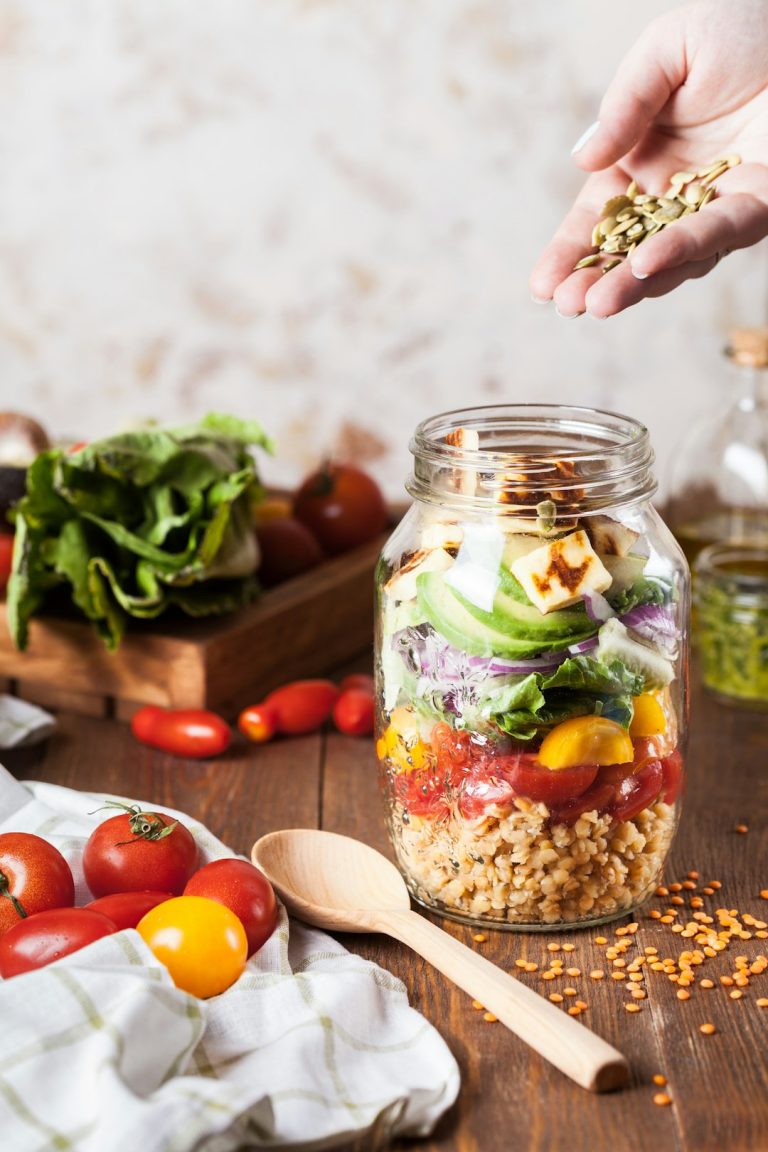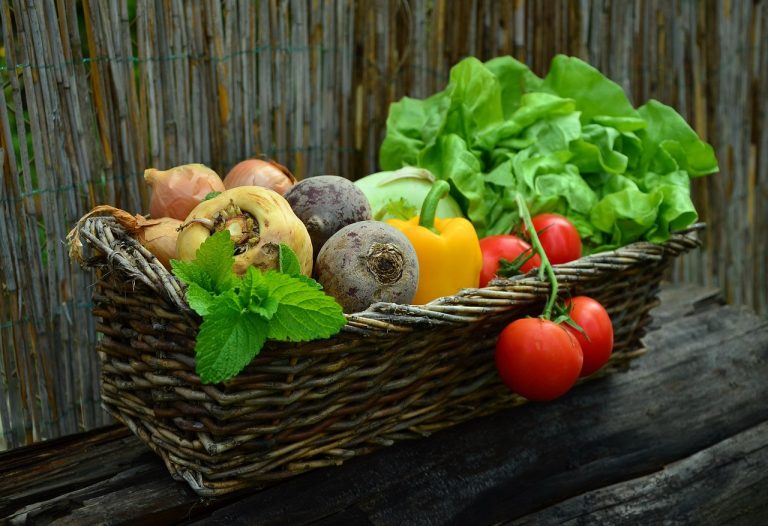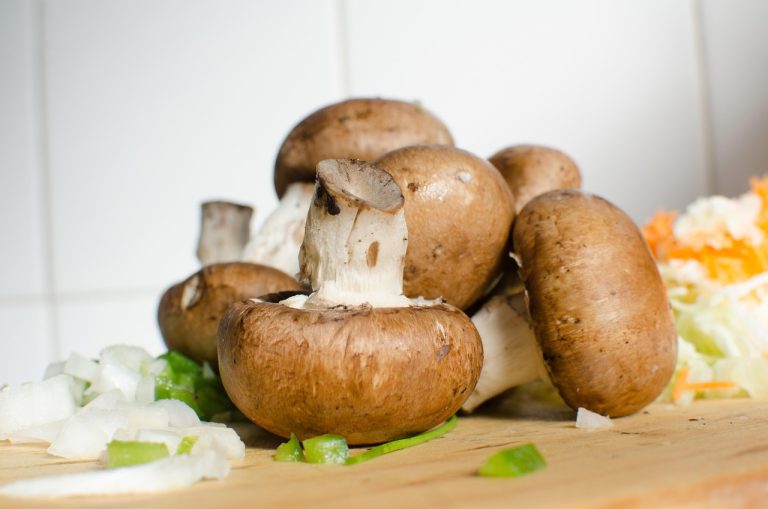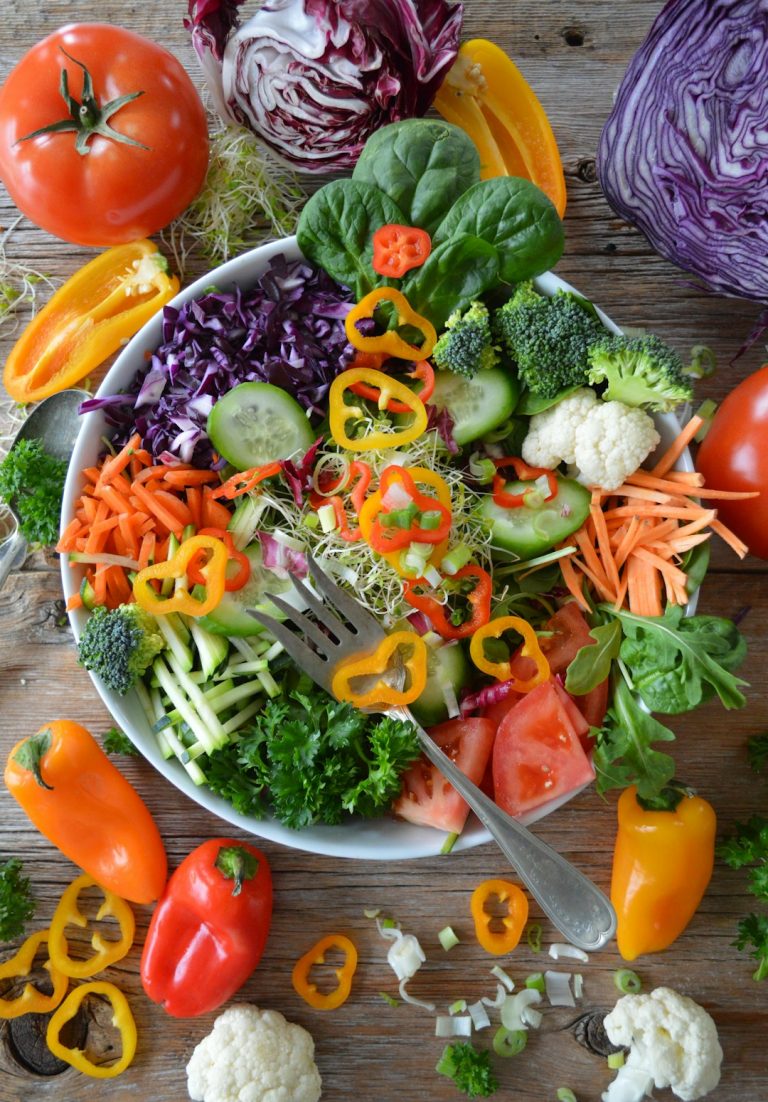

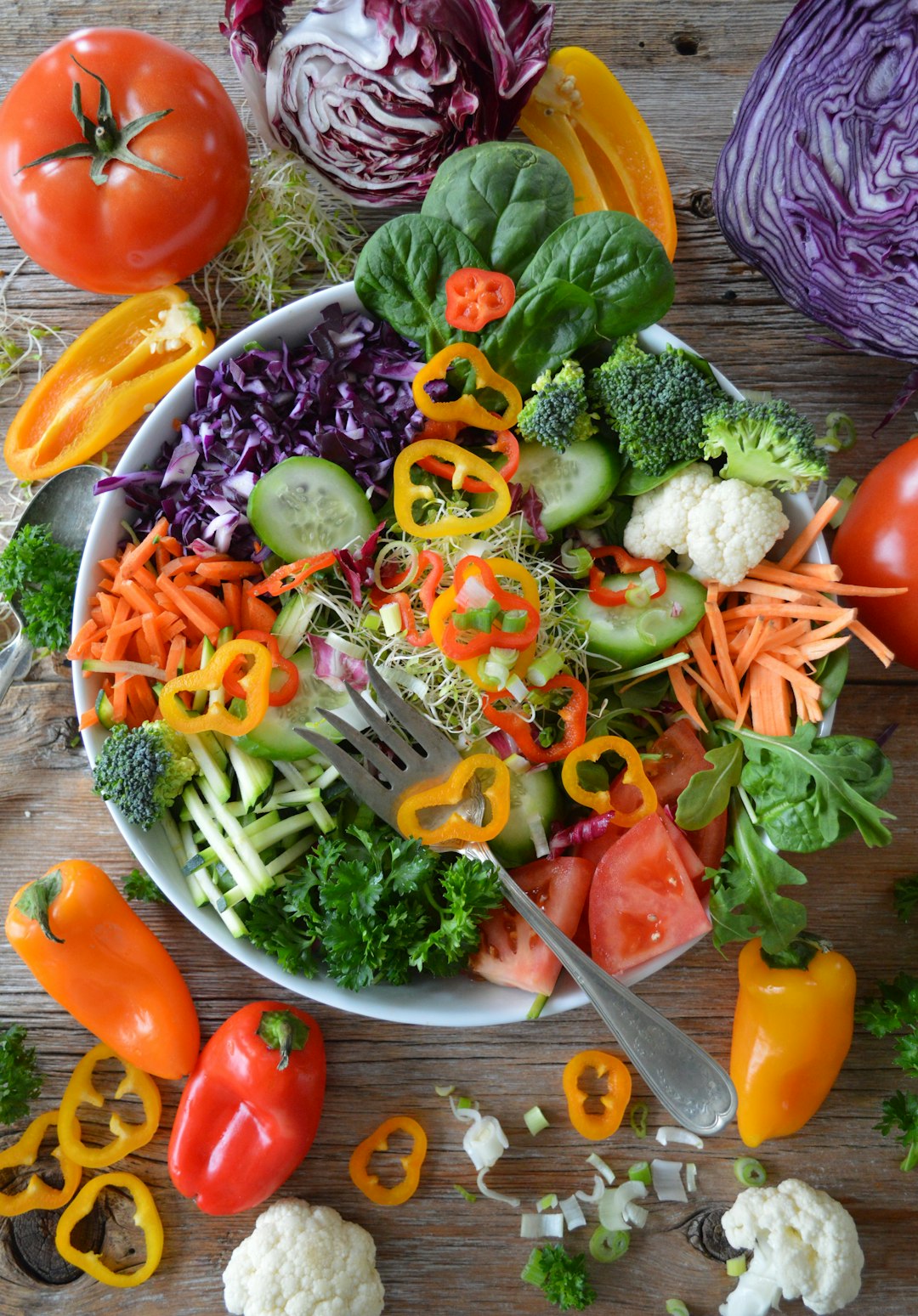
Photo by Nadine Primeau on Unsplash
Your gut affects far more than digestion. It influences how you absorb nutrients, how steady your energy feels, how often you crave sugar, and even how easily you can maintain a healthy weight. That is why a clean eating approach built around organic food can feel so transformative. When your meals are simpler, fresher, and less burdened by additives, your body often responds with better comfort, better regularity, and better momentum. Have you ever noticed how one week of thoughtful nutrition can make you feel lighter, clearer, and more in control?
For many people, the most practical path to better digestion is not a complicated detox diet or a stack of trendy supplements. It is learning how to choose foods that support the microbiome, calm the digestive system, and fit naturally into a healthy lifestyle. Organic produce, fermented foods, fiber-rich vegetables, and quality proteins can work together in a way that feels elegant, satisfying, and sustainable. If your goal is weight loss, more stable energy, and a happier stomach, this is where the conversation should begin.
[IMAGE: organic vegetables]
Why Gut Health Is the Foundation of a Healthy Diet
Gut health is not just a wellness buzzword. It is the center of a surprisingly large network that connects digestion, immunity, mood, and metabolism. When the gut is balanced, food is broken down efficiently, nutrients are absorbed more effectively, and waste moves through the body with less resistance. When it is out of balance, even the healthiest meal can leave you bloated, sluggish, or uncomfortable.
This is why so many nutrition experts now treat the digestive system as a priority rather than an afterthought. A healthy diet is not merely about reducing calories. It is about improving the quality of the inputs your body receives each day. Organic food can support that process by reducing exposure to certain agricultural chemicals and by encouraging a more intentional approach to clean eating. The result is not perfection. It is consistency.
The Gut Does More Than Digest Food
The intestinal tract is home to trillions of microorganisms, often called the gut microbiome. These microbes help break down certain fibers, produce beneficial compounds, and communicate with systems throughout the body. When this ecosystem is well fed, it tends to support digestion, immune resilience, and metabolic balance. When it is not, you may feel the effects in subtle ways before you ever connect them to food.
Consider these questions: Do you feel heavy after meals? Do you wake up already tired? Do you struggle with cravings that seem to appear out of nowhere? Sometimes those experiences are less about lack of willpower and more about how your gut is processing the foods you eat. That is where nutrition choices can make a profound difference.
Signs Your Digestive System May Need More Support
Digestive discomfort does not always arrive dramatically. More often, it shows up as everyday friction that becomes normal simply because it has been happening for so long. If you have been ignoring those cues, it may be time to listen more closely.
- Bloating after common meals
- Irregular bowel movements
- Frequent sugar cravings
- Low energy after eating
- Feeling uncomfortably full for too long
- Brain fog that follows heavy meals
- Skin that seems dull or reactive
None of these signs are proof of a serious issue on their own, but together they can suggest that your digestive routine needs an upgrade. A cleaner, more organic food-focused menu is often an excellent place to begin.
Why Organic Food Is a Smart Choice for Clean Eating
Organic food does not magically solve every digestive concern, but it can make healthy eating feel cleaner and more deliberate. The best organic ingredients are often fresher, more flavor-forward, and easier to build into meals that are simple enough to repeat. That matters because the best nutrition plan is the one you can actually sustain.
Many people also find that choosing organic makes them more mindful at the grocery store. That extra attention can lead to fewer ultra-processed purchases, fewer impulse snacks, and better meals at home. In other words, organic food can support not only digestion but also the habits that help with weight loss and long-term healthy lifestyle changes.
Less Noise in the Ingredient List
Clean eating becomes easier when the ingredients are recognizable. An apple, a head of broccoli, a jar of plain yogurt, a bunch of herbs, a handful of nuts, and a bag of oats are all straightforward foods that can be used in countless ways. When your kitchen is stocked with real ingredients rather than packaged distractions, it becomes easier to build a diet that supports gut health.
This simplicity is one reason organic food feels so compatible with a detox diet mindset, even when you are not doing a formal cleanse. Instead of trying to force the body through extreme restrictions, you are simply lowering the load of processed items and increasing the intake of naturally nourishing foods.
Why Organic Matters for a Busy Modern Lifestyle
Modern life is not always gentle on digestion. Stress, erratic schedules, late meals, and convenience food can all disrupt the rhythm your gut prefers. Organic choices can help simplify the equation. Pre-washed greens, frozen organic berries, plain organic yogurt, and organic canned beans can make it easier to assemble meals quickly without compromising your standards.
The point is not to create a rigid system. The point is to create one that feels realistic. A healthy lifestyle is built from repeatable choices, not perfection. If organic ingredients make those choices easier, they are worth prioritizing.
The Best Organic Foods for Gut Health
Not all organic food plays the same role in digestion. Some foods feed beneficial microbes directly. Others soothe the gut lining or help with regularity. A balanced approach usually includes all of the following categories.
Fermented Foods That Support the Microbiome
Fermented foods are among the most valuable additions to a gut-friendly diet because they naturally contain live cultures and bioactive compounds. They can help diversify the microbial environment and may improve how you feel after meals.
Organic Yogurt and Kefir
Plain organic yogurt and kefir are easy breakfast or snack options. Look for versions with minimal sugar and active cultures. They pair beautifully with berries, chia seeds, or a sprinkle of oats. If you want a gentle start to your day, this is one of the easiest places to begin.
Sauerkraut and Kimchi
These fermented vegetables add flavor and acidity to meals while offering a concentrated source of beneficial bacteria. Add a small spoonful to grain bowls, eggs, salads, or roasted vegetables. The key is consistency, not quantity. A little each day can be more practical than an occasional large serving.
Miso and Tempeh
Miso soup and tempeh can be especially useful for people who want a plant-forward diet without sacrificing depth of flavor or protein. They fit neatly into an organic vegan diet plan or any clean eating routine that values variety.
Fiber-Rich Organic Produce
Fiber is one of the most important nutrients for digestive regularity and microbiome support. It helps move waste through the body, feeds beneficial bacteria, and can improve satiety, which matters for weight loss and appetite control.
Some of the most effective organic food choices for fiber include:
- Apples with the skin on
- Pears
- Raspberries and blackberries
- Artichokes
- Broccoli and Brussels sprouts
- Leafy greens such as kale, spinach, and arugula
- Chia seeds and flax seeds
- Oats and barley
Fiber works best when it is paired with hydration. If you sharply increase your fiber intake without enough water, your digestion may feel worse before it feels better. The goal is to build gradually and intelligently.
Prebiotic Foods That Feed Good Bacteria
Prebiotics are a special type of fiber that feed the beneficial bacteria already living in your gut. Think of them as nourishment for the ecosystem rather than for you directly. When used strategically, they can make a real difference in digestive comfort over time.
Garlic, Onions, and Leeks
These kitchen staples are often overlooked, yet they are powerful prebiotic foods. They can be added to soups, sautés, stews, and roasted vegetables with very little effort. If you enjoy savory cooking, this is one of the most convenient ways to build a gut-friendly pattern.
Asparagus and Bananas
Asparagus works beautifully in spring meals, while slightly underripe bananas are a convenient snack or smoothie ingredient. Both offer gentle prebiotic support that can complement other digestive habits.
Healthy Fats and Proteins That Keep Meals Balanced
A gut-friendly menu should not be built on fiber alone. Healthy fats and quality proteins help stabilize blood sugar, support satiety, and keep meals satisfying enough to prevent reactive snacking. This matters if you are aiming for weight loss or simply trying to avoid the blood sugar roller coaster that often derails a healthy diet.
- Avocados
- Extra virgin olive oil
- Organic eggs
- Salmon and sardines
- Chia seeds
- Ground flaxseed
- Almonds and walnuts
- Lentils and chickpeas
When these foods are combined with vegetables and fermented items, the result is a meal pattern that feels grounding rather than restrictive.
[IMAGE: healthy meal]
How Gut-Friendly Organic Eating Supports Weight Loss
Many people search for weight loss advice as if the solution must be aggressive, but the body usually responds best to steadier signals. A gut-friendly organic diet can help reduce overeating by improving satiety, lowering the appeal of highly processed foods, and making your meals more nutrient-dense. When your body receives what it needs, it often stops asking for emergency snacks an hour later.
That does not mean every organic food is automatically low in calories. Nuts, oils, seeds, and avocados are calorie-dense and should still be portioned thoughtfully. The advantage is that they are also highly satisfying. A spoonful of almond butter with fruit is more likely to leave you content than a sugary packaged snack with almost no fiber.
Stable Blood Sugar Means Fewer Cravings
One of the quiet benefits of clean eating is blood sugar stability. Meals built on protein, fiber, and healthy fat are less likely to cause dramatic energy spikes and crashes. As a result, you may feel more emotionally steady and less driven by impulsive food choices.
Ask yourself this: are you truly hungry between meals, or are you reacting to a dip in energy that a more balanced breakfast could have prevented? Often the answer is revealing.
Better Digestion Can Change the Way You Eat
When bloating and discomfort decrease, people often notice something surprising: they feel more willing to move, cook, and plan ahead. That momentum matters. Healthy digestion can create a positive feedback loop in which you feel better, so you make better choices, which helps you feel better still.
That is one reason a detox diet built around organic foods should be practical rather than extreme. A smart reset does not punish the body. It gives the body room to function well.
A Realistic Detox Diet Using Organic Foods
The word detox is often used in ways that are misleading. Your liver, kidneys, lungs, and digestive system already do the essential work of detoxification every day. What a food-based detox diet can do is support those natural processes by reducing burden and increasing nourishment. That distinction matters.
An organic food detox approach does not require juice fasting or radical restriction. Instead, it emphasizes water, fiber, minerals, antioxidants, and meals that are easy to digest. This can be especially helpful after periods of travel, indulgence, or stress.
What to Focus on During a Gentle Reset
- Hydrating with water and herbal tea
- Eating plenty of colorful vegetables
- Including fermented foods daily
- Limiting alcohol and highly processed snacks
- Using simple cooking methods such as steaming, roasting, and simmering
- Keeping meals regular rather than skipping them
A reset is not about eating less for the sake of it. It is about removing friction. The cleaner the ingredients, the less your body has to wrestle with the meal.
Three-Day Gut Reset Framework
If you want a practical starting point, try a three-day structure that centers on organic food and digestion-friendly meals:
- Morning: Plain yogurt or a smoothie with berries, chia, spinach, and kefir
- Midday: Big salad or grain bowl with greens, beans, avocado, and seeds
- Evening: Roasted vegetables, a clean protein, and a fermented side such as sauerkraut
- Snacks: Apples, walnuts, cucumber slices, or carrots with hummus
This style of eating is gentle, nourishing, and easy to replicate. It is also more sustainable than harsh cleanses that leave you tired and frustrated.
Organic Breakfast Ideas for Energy and Digestion
Breakfast can set the tone for your entire day. If the first meal is overly sweet or too low in protein, you may find yourself chasing energy by midmorning. A cleaner breakfast built from organic food can change that pattern immediately.
Breakfast Options That Work Well
- Organic kefir with berries, oats, and flaxseed
- Vegetable omelet with spinach, onions, and herbs
- Overnight oats with chia, cinnamon, and unsweetened yogurt
- Green smoothie with organic greens, banana, avocado, and protein
- Whole-grain toast with avocado and a side of sauerkraut
These meals support healthy digestion without feeling heavy. They also help you feel nourished early enough in the day to avoid grazing mindlessly later.
Why Sweet Breakfasts Can Backfire
Even organic sweeteners can be overused. A breakfast that is mostly juice, pastries, or granola-heavy treats may leave you hungry sooner than you expect. Sugar alone rarely creates long-lasting energy. Pairing fruit with protein and fiber is usually a better strategy for both focus and appetite control.
What does your current breakfast look like? If it is mostly carbohydrates without enough protein, try adjusting the balance for one week and observe what changes.
Lunch and Dinner Ideas That Feel Elegant and Simple
Lunch and dinner are where clean eating can shine. These meals can be colorful, hearty, and deeply satisfying without becoming complicated. The key is to build a structure that repeats easily.
Organic Lunch Combinations
- Mixed green salad with salmon, cucumber, chickpeas, and olive oil vinaigrette
- Brown rice bowl with roasted vegetables, tempeh, and kimchi
- Lentil soup with herbs, carrots, celery, and a side of fermented vegetables
- Turkey or tofu lettuce wraps with avocado and grated cabbage
These meals deliver fiber, protein, and flavor in the same bowl. That combination is useful for digestion and helpful for anyone pursuing weight loss without feeling deprived.
Organic Dinner Combinations
- Baked salmon with steamed broccoli and quinoa
- Roasted chicken with carrots, asparagus, and olive oil
- Veggie stir-fry with tofu, garlic, mushrooms, and brown rice
- Stuffed sweet potatoes with black beans, herbs, and avocado
Dinner should not feel like a punishment for the day. It should feel like the meal that restores you. When that meal is built on organic ingredients, the body often feels calmer afterward.
Why Simpler Cooking Often Helps Digestion
Heavy sauces, deep frying, and excessive seasoning can sometimes overwhelm sensitive digestion. Simpler methods tend to be easier on the stomach while still delivering excellent flavor. Roasting vegetables, lightly sautéing greens, and simmering soups are all practical ways to keep food nourishing and digestible.
In a true healthy lifestyle, convenience is not the enemy. The challenge is to make convenience work for you rather than against you.
[IMAGE: fitness lifestyle]
Smart Snacks for a Healthy Lifestyle
Snacking is not inherently bad. In fact, strategic snacks can prevent overeating at meals and help you maintain stable energy. The problem usually comes from snacks that are engineered to be hyper-palatable but not especially nourishing. Organic food gives you better options.
Gut-Friendly Organic Snacks
- Apple slices with almond butter
- Plain yogurt with cinnamon and berries
- Carrots and cucumber with hummus
- Walnuts and a small pear
- Hard-boiled eggs with sea salt and herbs
- Olives and cherry tomatoes
These choices are simple, portable, and far more useful than refined snack foods that create a cycle of quick satisfaction followed by another craving. If your goal is weight loss, snacks should support your plan rather than sabotage it.
How to Snack Without Losing Momentum
A useful rule is to ask whether the snack provides protein, fiber, or healthy fat. If it does not provide any of those, it may not be the best choice for sustained fullness. That does not mean every treat is off limits, but it does mean your default choices should be nourishing.
Common Organic Diet Mistakes to Avoid
Even the best plan can lose effectiveness when it becomes too extreme or too vague. If you are building a diet for digestion and wellness, watch for these common mistakes.
1. Switching to Organic but Staying Highly Processed
An organic cookie is still a cookie. An organic soda is still soda. Organic labels can be helpful, but they are not a free pass. The foundation of a healthy diet is still whole food.
2. Increasing Fiber Too Fast
More fiber is not always better immediately. A dramatic increase can cause gas or bloating if your system is not used to it. Build slowly, drink enough water, and allow your gut to adapt.
3. Forgetting Protein
People who focus only on vegetables can unintentionally under-eat protein, which may reduce satiety and make weight loss harder. Include eggs, yogurt, beans, fish, tofu, tempeh, poultry, or other quality protein sources in a balanced pattern.
4. Ignoring Stress and Sleep
The gut and nervous system are closely connected. If you eat beautifully but sleep poorly and live under chronic stress, your digestion may still feel off. Nutrition is powerful, but it works best alongside rest and recovery.
5. Chasing Quick Fixes
There is no magical detox drink or overnight cure. The real transformation comes from repeated choices. That can be less glamorous than a trend, but it is far more effective.
How to Shop for Organic Food With Confidence
Many people want to eat better but feel overwhelmed in the store. The best way to simplify the process is to shop with a short, clear list and focus on the categories that deliver the most nutritional value.
A Practical Organic Grocery List
- Leafy greens
- Broccoli, cauliflower, and Brussels sprouts
- Apples, berries, pears, and bananas
- Organic yogurt or kefir
- Eggs, fish, tofu, or legumes
- Oats, quinoa, and brown rice
- Avocados, nuts, seeds, and olive oil
- Garlic, onions, leeks, and fresh herbs
These basics can be combined into endless meals. The more familiar your staples become, the easier it is to maintain a healthy lifestyle without overthinking every choice.
How to Read Labels Without Getting Lost
Look for short ingredient lists, minimal added sugar, and a clear path from ingredient to plate. If a product requires a paragraph of explanation, it may not be the best fit for your clean eating plan. The simpler the product, the easier it usually is on your digestion.
Can Organic Food Help With Bloating and Digestive Discomfort?
For many people, yes, although results vary. Bloating can come from portion size, food intolerances, eating speed, stress, or an imbalance in the gut microbiome. Organic food is not a cure-all, but it can reduce one layer of complexity by replacing heavily processed items with cleaner, more recognizable ingredients.
If bloating is a recurring issue, pay attention to patterns. Do dairy foods bother you? Are certain raw vegetables too aggressive in large amounts? Are you eating quickly or late at night? Sometimes the answer is not to remove entire food groups forever, but to adjust timing, preparation, and balance.
Meal Habits That Can Reduce Bloating
- Eat slowly and chew thoroughly
- Avoid very large meals late at night
- Cook some vegetables instead of eating all of them raw
- Drink water consistently throughout the day
- Include fermented foods in moderate amounts
- Monitor personal triggers instead of copying someone else’s diet exactly
Digestion is personal. A food that feels excellent for one person may feel uncomfortable for another. That is why careful observation is one of the most powerful tools you have.
A One-Week Organic Food Strategy You Can Actually Use
If you like structure, a one-week plan can help you build momentum without feeling restricted. The goal is not to be perfect every day. The goal is to create a pattern that supports nutrition, digestion, and satiety.
Day 1 and Day 2
Start with breakfast that includes protein and fiber, then use lunch and dinner to increase vegetable intake. Focus on hydration and avoid heavy late-night eating. This is a good time to notice how your body reacts to simple meals.
Day 3 and Day 4
Add a fermented food once or twice per day. Keep snacks intentional. If you usually reach for packaged options, swap in fruit, yogurt, nuts, or vegetables with hummus.
Day 5 and Day 6
Try one plant-forward meal per day, such as a lentil soup, grain bowl, or vegetable stir-fry. Notice whether your energy becomes more stable. Many people find this phase especially helpful for improving digestion and reducing the urge to overeat.
Day 7
Review what felt easiest. Was breakfast the most helpful change? Did your evening routine improve? Did your cravings shift? Small wins matter because they reveal what kind of healthy lifestyle is most realistic for you.
Why This Approach Works Long Term
The reason organic food and clean eating work so well together is that they are rooted in simplicity. You do not need to obsess over every calorie or eliminate every pleasure. You need a framework that supports your body often enough that it begins to function more smoothly.
That framework usually includes a few dependable habits: eating whole foods, favoring fiber-rich produce, including fermented items, staying hydrated, and avoiding the extremes that create burnout. These are the habits that can support digestion, assist weight loss, and make your meals feel more nourishing.
And perhaps most importantly, this approach respects the body instead of fighting it. It does not treat food as an enemy. It treats food as a tool for energy, comfort, and resilience. That shift changes everything.
When you choose organic food with intention, you are not just buying produce. You are building a system that supports better digestion, calmer energy, and a more grounded relationship with eating. If that is the kind of healthy lifestyle you want, keep exploring the site for more practical articles on nutrition, weight loss, clean eating, and detox diet strategies that actually fit real life.
About the Author