
Photo by Mariana Medvedeva on Unsplash
If you have ever wondered why one week of clean eating leaves you lighter, less bloated, and more energized, the answer often begins in the gut. The quality of your organic food choices can influence digestion, cravings, immune response, and even the way your body stores fat. That is why a gut-friendly healthy diet is not just about calories. It is about the daily nutrition that reaches your microbiome, supports regularity, and helps your system feel calm instead of inflamed.
For many people, the search for better health starts with weight loss, but it quickly becomes clear that the real goal is balance. When digestion improves, energy tends to rise, meals feel more satisfying, and the body often responds more predictably. Could the simplest path to a healthier lifestyle be a plate full of organic vegetables, fermented foods, fiber, and a few smart habits that protect your gut? In many cases, yes.
This guide explores how organic food supports gut health, why clean eating can make digestion easier, and how to build a detox diet approach that feels realistic rather than extreme. You will find practical ideas, meal structure tips, and a simple organic reset plan designed for busy lives. If you are ready to eat in a way that feels nourishing instead of restrictive, let us begin with the system that does so much behind the scenes.
Why Gut Health Changes Everything
Your digestive system is far more than a food processor. It helps absorb nutrients, regulate appetite, influence mood, and support immunity. When the gut is working well, you are more likely to feel satisfied after meals, wake up with steadier energy, and avoid the heavy, sluggish feeling that often comes with processed food and irregular eating. When it is out of balance, even a healthy diet can feel confusing because symptoms such as bloating, constipation, gas, fatigue, or random cravings can begin to crowd your day.
Have you ever eaten something that looked healthy on the surface but left you feeling strangely uncomfortable an hour later? That is a clue worth paying attention to. Digestive health is deeply individual, but there are universal foundations that help most people: more fiber, more plant variety, enough hydration, less ultra-processed food, and ingredients that are easier for the body to recognize and use. Organic nutrition can support those foundations in a meaningful way.
The Gut-Brain Connection
The gut and brain communicate constantly through nerves, hormones, and chemical messengers. This is one reason digestive discomfort can show up alongside stress, low mood, or poor sleep. A gut that feels irritated can send the brain a signal that something is wrong, which may increase tension, change appetite, or intensify food cravings. On the other hand, a calm digestive environment can support clearer thinking and a more stable emotional rhythm.
That connection matters for anyone pursuing weight loss or clean eating. If your nervous system is overloaded, your body is less likely to respond well to rigid rules or dramatic restriction. Organic food can be part of a gentler strategy because it often encourages more whole ingredients, fewer additives, and a broader range of nutrient-dense meals that feel satisfying rather than punishing.
Digestion, Energy, and Appetite
When digestion is smooth, nutrients are absorbed more efficiently and blood sugar tends to stay steadier. That can translate into fewer energy crashes between meals and less urgency to reach for sweets or salty snacks. In other words, gut health can influence the exact moments when people tend to overeat or make impulsive choices.
Instead of asking only how many calories you consumed, a smarter question is this: did the meal support my body enough to keep me balanced for the next few hours? That question is especially useful when choosing organic food for a healthy lifestyle. You are not only eating for the moment. You are feeding the system that keeps tomorrow easier.
What Makes Organic Food Different for Digestion
Organic food is not magic, and it will not solve every digestive issue on its own. Still, it does offer advantages that make it easier for many people to build a cleaner, more thoughtful diet. Organic farming standards typically limit synthetic pesticides, herbicides, and genetically modified ingredients in ways that appeal to people who want a more natural approach to nutrition. That does not automatically make every organic product healthier than every conventional one, but it can support a cleaner eating pattern overall.
One of the biggest benefits is simplicity. When you shop for organic vegetables, fruits, grains, and proteins, you are often choosing foods closer to their natural form. That means fewer emulsifiers, fewer artificial flavors, and fewer ingredients that can make it harder to understand what you are actually eating. For someone trying to improve gut health, that clarity matters.
Less Pesticide Exposure, More Peace of Mind
Many people choose organic food because they want to reduce exposure to synthetic chemicals that may linger on produce or enter the body through repeated consumption. While the science on long-term effects continues to evolve, there is something reassuring about filling your kitchen with ingredients grown through more natural methods. That sense of trust can make healthy eating feel more sustainable and less stressful.
Stress is relevant here because food decisions do not happen in a vacuum. If every trip to the grocery store feels like a battle between labels, budgets, and confusion, consistency becomes difficult. Organic choices can simplify the process for people who want a straightforward clean eating routine based on real food.
Plant Diversity Helps the Microbiome
Gut bacteria thrive on variety. The more types of fibers and plant compounds you eat, the more diverse your microbiome can become. Organic food often encourages this diversity because shoppers tend to include more vegetables, herbs, fruits, seeds, legumes, and whole grains when they build meals from scratch. That variety gives your gut more to work with and your plate more color.
Think about your last week of meals. Did they include at least ten different plant foods? If not, there is an easy opportunity to improve your nutrition without making the plan complicated. A few extra organic ingredients can create major gains in taste, texture, and digestive support.
Fermentation Adds Another Layer of Support
Fermented organic foods such as yogurt, kefir, sauerkraut, kimchi, and miso can offer live cultures that support digestive balance. These foods are not one-size-fits-all, and some people need to introduce them slowly, but they can be a valuable part of a gut-friendly healthy diet. Their tangy flavor also makes meals more interesting, which matters when clean eating is supposed to be enjoyable enough to repeat.
Fermentation is a classic example of how organic food connects to both tradition and modern nutrition. It turns simple ingredients into something more complex, often with a longer shelf life and a more dynamic nutrient profile. That is exactly the kind of food habit that supports a healthy lifestyle without feeling trendy for the sake of it.
Best Organic Foods for Gut Health
Not every healthy food affects digestion in the same way. Some ingredients soothe the system, some feed beneficial bacteria, and some help regularity by adding volume and moisture to stools. The best approach is to build a broad, balanced plate that includes fiber, hydration, healthy fats, and fermented foods when appropriate. If you want a practical starting point, focus on these categories.
Leafy Greens and Bitter Herbs
Spinach, kale, arugula, romaine, parsley, cilantro, and dandelion greens are rich in minerals and plant compounds that support digestion. Their bitterness can stimulate digestive secretions, while their fiber helps food move through the system more comfortably. Organic versions are especially appealing for salads, smoothies, and lightly cooked dishes because these greens are often eaten frequently.
A simple habit is to add one extra handful of greens to lunch or dinner. That small move can change the nutritional profile of a meal without requiring a complete recipe overhaul. Could a bowl of soup, a grain salad, or a vegetable scramble become better with a handful of organic spinach? Almost always.
Cruciferous Vegetables
Broccoli, Brussels sprouts, cauliflower, cabbage, and bok choy are famous for their support of detox pathways and overall cellular health. They also provide fiber that feeds the gut microbiome. For some people, these vegetables can feel intense when eaten raw or in large amounts, so steaming, roasting, or sautéing may make them easier to digest.
Start with small portions and pay attention to your body. Organic cauliflower soup, roasted broccoli with olive oil, or sautéed cabbage with ginger are all simple ways to bring these foods into your clean eating routine. The goal is not perfection. The goal is digestive tolerance and consistency.
Organic Oats, Flax, and Chia
Soluble fiber is one of the quiet heroes of gut health because it helps form a gel-like substance in the intestines that can support more regular digestion. Organic oats, ground flaxseed, and chia seeds are three easy ways to add that benefit to breakfast or snacks. They also help many people feel full longer, which can support weight loss without dramatic restriction.
Try overnight oats with chia and berries, or stir ground flax into yogurt, smoothies, or warm cereal. These ingredients do not need to be complicated to be effective. In fact, the simpler the preparation, the more likely it is that you will actually keep the habit.
Fermented Foods
Fermented foods are worth special attention in any organic food plan for gut health. Yogurt with live cultures, kefir, sauerkraut, kimchi, miso, tempeh, and kombucha can help diversify the diet and add flavors that keep clean eating interesting. Not every product on the shelf is equally beneficial, however, so it helps to check for low sugar, minimal ingredients, and real live cultures where relevant.
Some people prefer to start with just one fermented item a day. A spoonful of sauerkraut on a grain bowl, a small serving of yogurt with breakfast, or a splash of kefir in a smoothie may be enough. This is one area where less can be more, especially if your gut is sensitive.
Fruits That Feed Microbes
Apples, berries, pears, kiwi, and citrus fruits provide fiber, water, and polyphenols that can support beneficial bacteria. Organic fruit is often a smart choice for those who eat it daily, particularly when the skin is consumed. Berries are especially useful because they feel satisfying, taste naturally sweet, and pair well with yogurt, oats, or salads.
If you are working on weight loss, fruit can be a friend rather than a problem when it is eaten as part of a balanced meal. A bowl of berries with Greek yogurt and seeds will affect your body differently than a sugary dessert eaten alone. Context matters, and nutrition is always more powerful than fear.
Protein Sources That Digest Well
Eggs, plain Greek yogurt, tofu, tempeh, lentils, beans, fish, and chicken can all fit into a gut-friendly healthy diet when prepared simply. Protein supports satiety and helps stabilize energy, which is especially useful if your meals have been inconsistent. Organic options may feel preferable when you want fewer additives and a cleaner sourcing standard.
How you cook protein matters too. Heavy frying and excessive sauces can slow digestion for some people, while baking, steaming, poaching, and slow cooking often feel lighter. The cleaner the preparation, the easier it is to notice how your body responds.
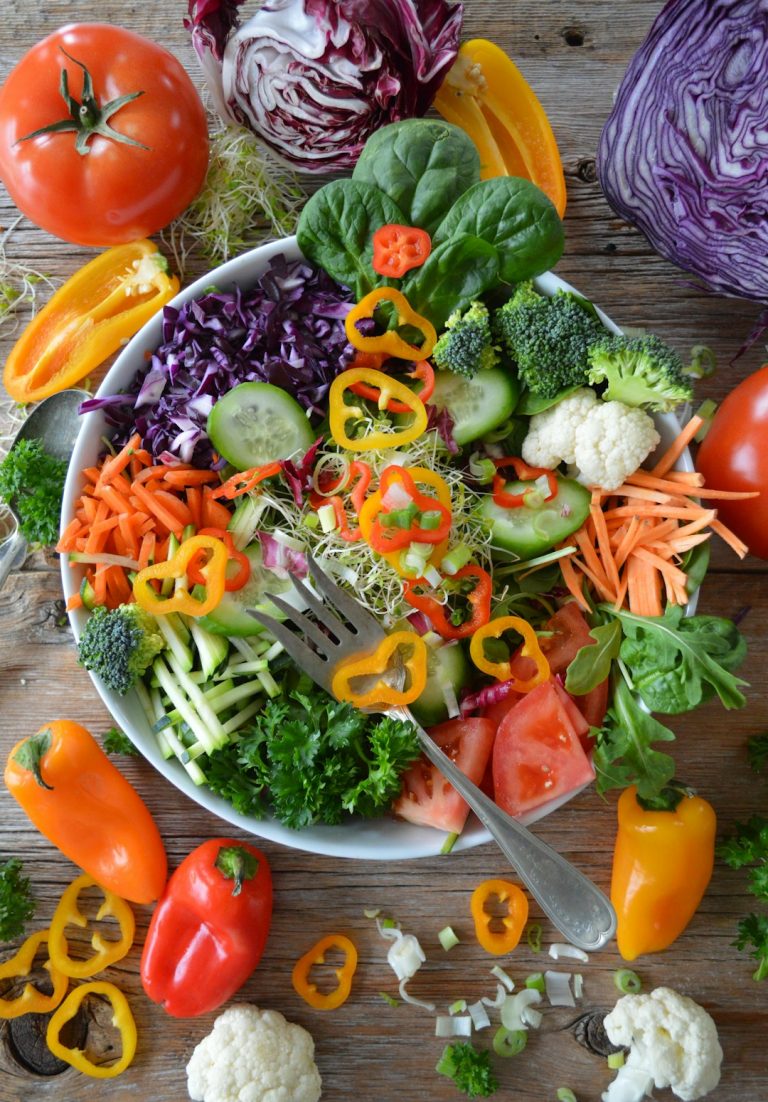
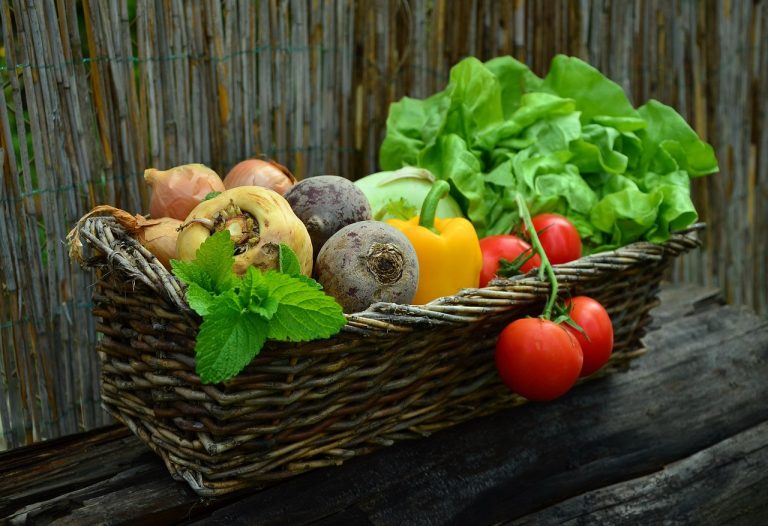
[IMAGE: organic vegetables]
How Organic Eating Supports Weight Loss
Weight loss becomes more manageable when your meals make you feel satisfied, not deprived. That is where organic food can support the process indirectly. By centering whole ingredients, you naturally increase fiber, micronutrients, and meal quality while reducing the hidden calories and addictive flavor patterns often found in ultra-processed foods. In practice, this means you may feel fuller on less food and less likely to overeat later.
Organic food does not create a calorie deficit by itself, but it can make the kind of eating that leads to a calorie deficit much easier to maintain. That is a meaningful difference. Instead of focusing on willpower alone, you are shaping an environment where better decisions become the default.
Satiety and Stable Blood Sugar
Meals built around fiber, protein, and healthy fats tend to keep blood sugar steadier than meals built around refined carbohydrates alone. That stability can reduce the energy roller coaster that drives snacking and overeating. A clean eating pattern centered on organic vegetables, grains, legumes, and balanced proteins often makes this easier to achieve.
Ask yourself this before each meal: will this plate help me feel calm and satisfied for the next three hours? If the answer is yes, you are far more likely to stay on track without feeling obsessed with food. That is the kind of nutrition strategy that supports long-term results rather than short bursts of effort.
Fewer Cravings Through Better Structure
Cravings are not always a sign of weakness. Often they reflect under-eating, stress, dehydration, poor sleep, or meals that were not balanced enough to begin with. When you eat organic food in a structured way, those triggers often soften. A nourishing breakfast, a protein-rich lunch, and a vegetable-forward dinner can make the entire day feel more stable.
- Eat every four to five hours if you tend to get overly hungry.
- Include fiber at most meals to support fullness.
- Add protein early in the day to reduce afternoon snacking.
- Drink water consistently rather than waiting until you feel thirsty.
- Keep healthy organic snacks ready so convenience works in your favor.
These habits may sound simple, but simple habits are often the ones that change body composition over time. The best healthy lifestyle routines are rarely dramatic. They are repeatable.
Building a Gut-Friendly Organic Plate
One of the easiest ways to turn nutrition advice into action is to rely on a plate formula. Rather than trying to memorize endless rules, use a visual structure that helps each meal support digestion, energy, and satisfaction. A strong plate usually includes vegetables, protein, smart carbohydrates, and healthy fats.
Organic food fits naturally into this model because it encourages a return to basic ingredients. It is easier to build a balanced plate when the ingredients themselves are recognizable. No complicated labels. No strange aftertaste. Just food that feels close to the source.
A Simple Breakfast Formula
A gut-friendly breakfast does not need to be large, but it should be purposeful. The best mornings usually combine protein, fiber, and enough fat to prevent a crash. For example, you might choose organic Greek yogurt with berries and flax, oats with chia and walnuts, or eggs with greens and avocado.
What matters most is that breakfast keeps you grounded. If you skip it because you are busy, your later meals may become reactive. If you eat something balanced, you create momentum for the rest of the day. That is a small detail with major impact.
The Morning Formula
Try this structure: one protein, one fiber source, one fruit or vegetable, and one healthy fat. That could mean cottage cheese with sliced pear and seeds, or a smoothie with kefir, spinach, berries, and almond butter. The formula is flexible, which makes it practical for real life.
When breakfast is too sweet or too light, hunger often rebounds quickly. When it is balanced, your gut and your brain both benefit. That is the kind of clean eating that feels intelligent rather than restrictive.
Lunch and Dinner Formulas
Lunch and dinner work best when half the plate is vegetables, one quarter is protein, and one quarter is a fiber-rich carbohydrate such as quinoa, sweet potato, brown rice, or legumes. Add a little olive oil, avocado, or seeds for satiety. Choose organic vegetables whenever possible, especially those you eat often.
You do not need an elaborate recipe every night. A simple bowl with roasted vegetables, salmon, and quinoa may be one of the most effective meals in your routine. It is colorful, nutrient-dense, and easy on digestion when prepared well.
The 50-25-25 Plate
Use half your plate for organic vegetables, one quarter for protein, and one quarter for complex carbohydrates. Then add a small amount of healthy fat. This balance supports energy, reduces the likelihood of overeating, and often leaves people feeling pleasantly full rather than stuffed.
If you are working toward weight loss, this plate method gives you structure without obsession. You are not measuring every bite. You are simply building meals that make biological sense.
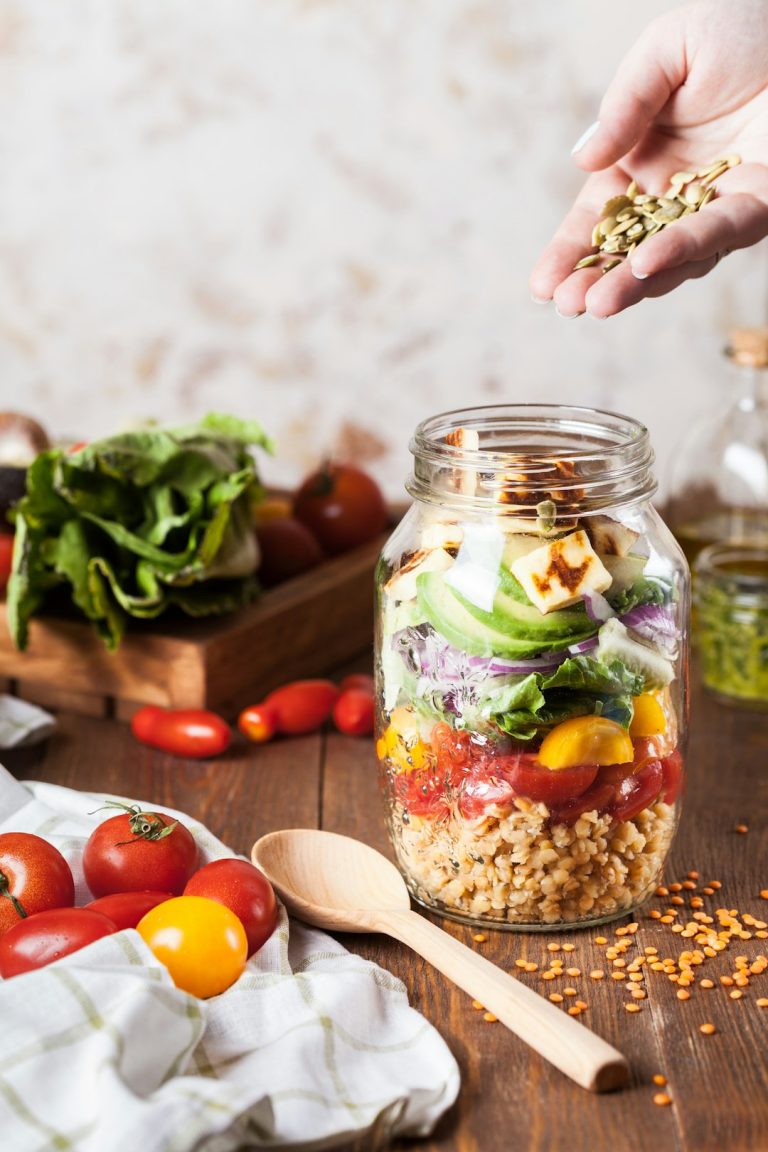
[IMAGE: healthy meal]
A Detox Diet That Actually Makes Sense
The phrase detox diet is often used in ways that are either exaggerated or misleading. Your body already has sophisticated detoxification systems, especially the liver, kidneys, digestive tract, and skin. No juice cleanse can replace that biology. But that does not mean a food-based reset is pointless. It means the goal should be to support the body you already have, not punish it with extremes.
A smart detox diet is really a nutrient-rich clean eating pattern. It emphasizes hydration, fiber, antioxidants, mineral-rich foods, and fewer processed ingredients. Organic food can play a strong role here because it fits neatly into a reset focused on whole plants and simple meals.
What to Emphasize Instead of Extremes
Rather than chasing dramatic promises, focus on a few practical shifts. Increase your vegetable intake. Choose organic produce for foods you eat often. Swap sugary drinks for water or herbal tea. Add fermented foods in small amounts. Keep meals regular enough that you do not crash and binge later.
- Drink enough water to keep digestion moving smoothly.
- Eat fiber at multiple meals to support regularity.
- Use herbs and spices such as ginger, turmeric, and parsley.
- Reduce alcohol, refined sugar, and ultra-processed foods for a few weeks.
- Sleep well, because recovery affects digestion more than many people realize.
Would a short, thoughtful reset do more for your body than a dramatic cleanse? For most people, absolutely. The best detox diet is the one that can be maintained without stress or rebound eating.
Foods and Habits That Quietly Damage Digestion
Sometimes the problem is not that you are not eating enough healthy food. It is that a few common habits are undermining your progress in subtle ways. Ultra-processed meals, erratic eating, chronic stress, and low fluid intake can all make the gut feel less resilient. The result may be more bloating, more cravings, and less motivation to stay committed to your healthy lifestyle.
Recognizing these patterns is not about guilt. It is about observation. Once you understand what disrupts your system, you can make cleaner choices with less effort.
Ultra-Processed Foods
Packaged snacks, sugary cereals, fried fast foods, and heavily refined baked goods can create a perfect storm of low fiber, high sugar, poor satiety, and ingredient overload. They are not only less helpful for weight loss. They can also leave the gut microbiome underfed and less diverse. This is one reason clean eating feels so different when done consistently.
Try not to think in extremes. You do not need to eliminate every processed food forever. Instead, let organic food and whole ingredients form the center of your routine so processed items become occasional rather than routine.
Stress and Eating Too Fast
Digestion begins before the first bite is swallowed. When you eat in a rush, breathe shallowly, or scroll through your phone while eating, your body gets less support from the parasympathetic nervous system, which helps rest and digest function. Slowing down can improve how food feels in your body and how satisfied you feel afterward.
Try putting utensils down between bites, chewing thoroughly, and giving yourself a few quiet minutes at the start of each meal. These habits may sound small, but they can completely change your relationship with food.
Too Much Sugar and Alcohol
High sugar intake may feed cravings and reduce the overall quality of the diet, while alcohol can irritate the gut lining, affect sleep, and influence food choices the next day. If your goals include weight loss and better digestion, reducing both can be a powerful move.
A healthier pattern is often not about restriction for its own sake. It is about creating conditions where the body can do its work without being constantly challenged. That is what a thoughtful nutrition plan should do.
Organic Meal Prep for Busy Weeks
Meal prep is one of the most reliable ways to make clean eating stick. When healthy food is already chopped, cooked, or portioned, you are far less likely to reach for takeout or skip meals entirely. Organic meal prep does not require a weekend of marathon cooking. It only requires a plan that respects your schedule.
Start with a few versatile staples. Roast a tray of organic vegetables, cook a grain, prepare one protein, and wash fruit for quick snacks. Suddenly, the week becomes easier. This is where good nutrition becomes practical rather than theoretical.
How to Shop Without Overspending
Organic food can feel expensive if every item in the cart is premium-priced, but a smart strategy can keep costs manageable. Prioritize the foods you eat most often, especially items you consume raw or in large amounts. Buy seasonal produce. Choose store brands when quality is good. Freeze extra fruit, vegetables, and proteins to reduce waste.
If your budget is tight, focus on the produce that matters most to you and make the rest of the plate simple. A few organic staples are better than none. Consistency always beats perfection.
Three-Day Prep Strategy
Instead of preparing seven identical meals, try prepping for three days at a time. Cook one grain, one protein, two vegetables, and one sauce or dressing. Use those building blocks in bowls, wraps, salads, or soups. Variety comes from assembly, not necessarily from cooking an entirely new recipe every night.
This approach is especially useful if your goal is weight loss, because it reduces decision fatigue. The less mental energy you spend deciding what to eat, the easier it is to stay aligned with your healthy lifestyle goals.
A Seven-Day Organic Reset for Better Digestion
The following starter plan is not a rigid detox diet. It is a gentle, organic food reset designed to calm digestion, improve nutrition, and help you notice how different meals affect your body. If you want to feel lighter without starving yourself, this is a good place to begin.
Day 1: Settle the System
Focus on simple meals with soft textures and easy-to-digest ingredients. Think oatmeal with chia, vegetable soup, cooked greens, and steamed fish or tofu. Drink water through the day and avoid skipping meals. The goal is to reduce noise and give your digestion a calmer rhythm.
Notice how your body feels after dinner. Do you feel energized, or heavy and sleepy? That awareness will guide the next six days.
Day 2: Add More Fiber
Increase vegetables and whole grains. Add berries at breakfast and a side salad at lunch. Include organic vegetables in both cooked and raw form if your system tolerates them. This is the day to let fiber do its quiet work.
If you usually feel sluggish in the afternoon, this day may show you how much better your body responds when meals are fuller and cleaner.
Day 3: Introduce Fermented Foods
Add a small serving of yogurt, kefir, sauerkraut, kimchi, or miso. Keep portions modest if you are new to fermented foods. Pair them with grains or vegetables so they feel balanced, not overwhelming. This step can make the plan more interesting while supporting gut diversity.
Be curious about your reactions. Some people feel better quickly, while others need a slower introduction.
Day 4: Prioritize Protein and Stability
Make sure each meal contains enough protein to keep you satisfied. Eggs, beans, lentils, fish, poultry, tofu, and Greek yogurt are all strong options. Protein helps reduce random snacking and supports steady energy, which is especially useful during weight loss.
Many people discover that cravings are less about lack of discipline and more about under-fueling. Today is about correcting that.
Day 5: Keep Meals Light But Nourishing
Choose meals that feel clean and easy on the stomach without being overly sparse. A soup with beans and vegetables, a salad with avocado and salmon, or a stir-fry with brown rice can all work beautifully. The aim is comfort without sluggishness.
Ask yourself whether your usual lunch helps or hurts your afternoon focus. That question often reveals the best next step.
Day 6: Reduce Common Triggers
Take a close look at sugar, alcohol, and ultra-processed snacks. Even if you do not remove them completely, cutting them back for one day can reveal how much they influence digestion, mood, and hunger. Replace them with fruit, nuts, herbal tea, or yogurt if needed.
This is where the reset starts to feel powerful, because you can compare how your body behaves with and without those triggers.
Day 7: Build Your Long-Term Pattern
Use the final day to identify what worked best. Which foods made you feel calm and clear-headed? Which meals kept you full? Which habits were surprisingly easy to maintain? A successful reset is not just about seven days. It is about choosing the patterns worth keeping.
If you felt better on a breakfast of oats and berries, or a dinner of roasted vegetables and protein, that is information you can use next week and next month.
When to Talk to a Professional
While diet changes can improve many digestive issues, some symptoms deserve medical attention. Persistent bloating, unexplained weight loss, severe abdominal pain, blood in the stool, chronic diarrhea, or ongoing constipation should not be ignored. A nutrition-focused plan can support wellness, but it should never replace proper care when something feels wrong.
If your digestion has been uncomfortable for a long time, a registered dietitian or healthcare professional can help you identify triggers, rule out underlying conditions, and build a nutrition plan that fits your needs. Good health is not about guessing. It is about using the right information at the right time.
For most readers, the path forward is encouragingly simple: choose more organic food, eat cleaner meals, support your gut with fiber and fermentation, and let your healthy lifestyle evolve one meal at a time. Those choices may seem modest in the moment, but they add up quickly, and the body often responds with better digestion, steadier energy, and a calmer relationship with food. If you want more practical guidance on clean eating, detox diet strategies, weight loss support, and everyday nutrition, keep exploring more articles on DietOrganic and keep building a routine that feels good enough to live with every day.
About the Author