
Photo by stux on Pixabay
If you have ever felt bloated after meals, sluggish in the afternoon, or strangely hungry even after eating enough, your gut may be asking for more attention. The digestive system does far more than process food. It influences immunity, energy, mood, skin clarity, and even how efficiently your body handles weight loss. That is why an organic food approach to gut health has become such a powerful part of a modern healthy lifestyle.
When people think about clean eating, they often picture salads and meal prep containers, but true nutrition goes deeper than that. A gut-friendly diet is not about restriction for its own sake. It is about choosing organic foods that nourish beneficial bacteria, calm irritation, and support smoother digestion day after day. Could a few small food choices really make that much of a difference? In many cases, yes. The right foods can change how you feel within days and help build a stronger foundation over time.
This guide explores the best organic foods for gut health, how they fit into a clean eating routine, and why they may also support a healthier metabolism, better energy, and more sustainable weight loss. You will also find practical meal ideas, shopping tips, and common mistakes to avoid so that your next grocery run feels more intentional and effective.
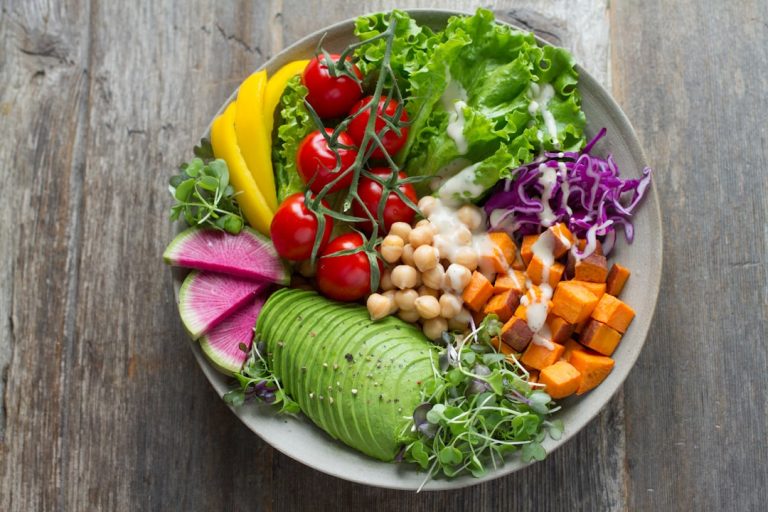
[IMAGE: organic vegetables]
Why Gut Health Is the Quiet Engine of a Healthy Lifestyle
Your gut is home to trillions of bacteria, fungi, and other microorganisms collectively known as the gut microbiome. Some of these microbes are beneficial, some are neutral, and some can become problematic when the balance shifts. The foods you eat either feed that ecosystem or weaken it. That is one reason nutrition experts pay so much attention to digestive health when designing a long-term healthy lifestyle.
A well-balanced gut can help with:
- More comfortable digestion and fewer bloating episodes
- Better nutrient absorption from the foods you already eat
- Stronger immune function
- More stable energy throughout the day
- Improved appetite regulation, which can support weight loss
- Reduced cravings for ultra-processed foods
When the gut is struggling, people often notice symptoms that seem unrelated at first: low mood, unpredictable hunger, skin irritation, and even trouble focusing. That is why clean eating is not only about appearance or trends. It is a practical approach to helping the body function the way it was designed to.
What Makes Organic Food a Smart Choice for Digestion?
Organic food is grown and processed with stricter standards than conventional food, typically avoiding synthetic pesticides, most artificial fertilizers, genetically modified ingredients, and certain additives. For many people, this matters because digestive comfort can be affected by the overall quality of the foods they eat. While organic food is not a miracle cure, it can reduce exposure to some compounds that may irritate sensitive systems.
Organic produce can be especially helpful in a gut-supportive diet because it often encourages people to eat more whole foods and fewer packaged products. That shift alone can transform nutrition. If your meals contain more fiber, more natural micronutrients, and fewer artificial ingredients, your digestive system tends to respond more positively over time.
There is also a psychological benefit. Choosing organic food can make healthy habits feel more deliberate and rewarding. When someone invests in quality ingredients, they are often more likely to cook at home, plan meals, and stay consistent. That consistency is a major factor in any clean eating routine.
Organic Does Not Mean Perfect, But It Does Mean Intentional
It is important to be realistic. An organic cookie is still a cookie, and an organic snack bar can still be high in sugar. The benefit comes from using organic food as part of a whole-food strategy rather than treating the label itself as the goal. Ask yourself: does this food support digestion, or is it only marketed that way?
For gut health, the best organic choices are usually the least processed ones. Think vegetables, fruits, legumes, fermented foods, seeds, and whole grains that have been prepared simply. These foods offer the fiber, polyphenols, and natural compounds that your microbiome loves.
Best Organic Foods for Gut Health
Not all healthy foods work in the same way. Some feed beneficial bacteria, some soothe the digestive tract, and others help diversify the microbiome. A smart clean eating plan blends all three. Below are the organic foods that deserve a regular place on your plate.
1. Organic Leafy Greens
Spinach, kale, arugula, romaine, and Swiss chard are rich in fiber, folate, magnesium, and plant compounds that help support digestion. They are also versatile, making them easy to add to a healthy meal without much effort.
Leafy greens can help increase stool bulk, which supports regularity. They also contribute to a more alkaline dietary pattern, which some people find helpful when building a soothing detox diet or simply trying to reduce processed food intake.
Easy ways to use them
- Blend into a smoothie with banana and ginger
- Wilt into soups, omelets, or sautéed grain bowls
- Use as a base for salads topped with protein and seeds
2. Organic Cruciferous Vegetables
Broccoli, cauliflower, Brussels sprouts, cabbage, and bok choy are rich in fiber and plant sulfur compounds. These vegetables may not be the most glamorous on the plate, but they are among the most valuable for gut health. They support the growth of helpful bacteria while also contributing to detoxification pathways in the body.
If you are sensitive to gas or bloating, start with smaller portions and cook them gently. Steaming or roasting often makes them easier to digest. This is a great example of how clean eating should be customized, not forced.
3. Organic Berries
Blueberries, raspberries, blackberries, and strawberries are packed with antioxidants and fiber. Their natural sweetness can also satisfy cravings without leading to the blood sugar swings that often come with processed desserts.
Berries are particularly beneficial because their polyphenols act like food for beneficial gut bacteria. That makes them a top-tier choice in any nutrition plan focused on digestive balance and weight loss support.
Try adding berries to unsweetened yogurt, chia pudding, or a morning bowl with seeds and oats. They offer flavor without needing much else.
4. Organic Apples and Pears
Apples and pears contain pectin, a type of soluble fiber that can help feed good bacteria and support smoother digestion. The skin also provides additional fiber, so if you tolerate it well, keep it on.
These fruits are practical, portable, and easy to pair with nut butter or a handful of seeds. In other words, they are ideal for a healthy lifestyle that does not revolve around complicated recipes.
5. Organic Garlic and Onions
Garlic, onions, leeks, and shallots contain prebiotic fibers that help beneficial bacteria thrive. Prebiotics are not the same as probiotics. They are the fuel that helps the probiotics do their job.
Because these ingredients are used in so many savory dishes, they are a simple way to improve nutrition without changing your routine dramatically. Cook them into soups, stews, roasted vegetables, and sauces to build depth of flavor and digestive support.
6. Organic Yogurt and Kefir
If you tolerate dairy, plain organic yogurt and kefir are excellent sources of probiotics. These live cultures can help reinforce a healthy microbial balance, especially when paired with prebiotic foods.
Choose unsweetened versions whenever possible. Flavored yogurts can contain enough sugar to work against your goals, particularly if you are using clean eating to support weight loss or reduce cravings.
What to look for on the label
- Live and active cultures
- Minimal added sugar
- Short ingredient list
- Organic milk from reliable sources
7. Organic Sauerkraut and Kimchi
Fermented vegetables deliver beneficial bacteria along with tangy flavor that can transform a simple dish. Sauerkraut and kimchi are especially useful for people who want to improve digestion without relying on pills or powders.
Start with small portions, especially if you are new to fermented foods. A tablespoon or two can be enough at first. Their sodium content is worth noting too, but when used in moderation, they can be powerful additions to an organic food routine.
8. Organic Oats and Whole Grains
Steel-cut oats, rolled oats, quinoa, brown rice, and buckwheat provide fiber that helps support steady digestion and fullness. Oats in particular contain beta-glucan, a soluble fiber associated with gut and heart benefits.
Whole grains are often misunderstood in the world of weight loss. In reality, when portioned appropriately and paired with protein and vegetables, they can help reduce overeating by keeping you satisfied longer. That makes them valuable in both clean eating and sustainable nutrition plans.
9. Organic Chia Seeds and Flaxseeds
Chia seeds and flaxseeds are tiny but remarkably useful. They contain fiber and healthy fats that can help support bowel regularity and promote satiety. When soaked, chia seeds form a gel-like texture that may feel soothing for some people.
Ground flaxseed is often easier to digest than whole flaxseed and can be added to oatmeal, smoothies, baked goods, or yogurt. If you are looking for a simple way to support gut health every day, this is one of the easiest upgrades to make.
10. Organic Ginger and Turmeric
Ginger has long been used to calm digestive discomfort, while turmeric is valued for its anti-inflammatory properties. Together, they can contribute to a more balanced digestive environment and a more flavorful way of eating.
Try ginger tea, turmeric soups, golden milk with unsweetened plant milk, or grated ginger in stir-fries. These ingredients support a detox diet mentality without falling into extremes or gimmicks.
[IMAGE: healthy meal]
How Gut-Friendly Organic Food Supports Weight Loss
Gut health and weight loss are closely connected, but not in a simplistic way. No single food melts fat. Instead, a well-functioning gut can help regulate appetite, support blood sugar balance, and improve how efficiently your body uses nutrients. That is why many people see better results when they focus on the quality of their food rather than chasing aggressive dieting rules.
When your meals are rich in fiber and minimally processed, you are more likely to feel satisfied with less food. That naturally supports calorie balance without the constant feeling of deprivation. Can organic food help with weight loss? It can if it helps you eat more whole foods and fewer empty calories.
Organic vegetables, fruits, legumes, and fermented foods can also reduce the likelihood of mindless snacking by stabilizing hunger. In a practical sense, that is what makes clean eating sustainable. You are not fighting your body; you are feeding it better.
Three Weight Loss Benefits of Gut-Supportive Eating
- Better fullness: Fiber and protein help you stay satisfied longer.
- More stable energy: Steadier blood sugar can reduce the urge to snack impulsively.
- Less digestive discomfort: Feeling lighter and more comfortable often improves consistency and motivation.
If your current weight loss approach feels exhausting, the problem may not be discipline. It may be that your body is reacting to too much processed food and too little nourishment. Shifting toward organic food can be a useful reset, especially when combined with enough sleep, hydration, and movement.
A Clean Eating Grocery List for Better Digestion
One of the easiest ways to start is by stocking your kitchen with foods that make healthy choices the default. If your pantry and refrigerator are full of prepared options that support nutrition, you will not need to rely on willpower every day.
Build your cart around these categories
- Vegetables: spinach, broccoli, cabbage, carrots, zucchini, cucumber
- Fruit: berries, apples, pears, citrus, bananas
- Protein: organic eggs, Greek yogurt, kefir, tofu, tempeh, beans, lentils
- Healthy fats: avocado, olive oil, walnuts, chia seeds, flaxseeds
- Fermented foods: sauerkraut, kimchi, plain yogurt, kefir, miso
- Whole grains: oats, quinoa, brown rice, buckwheat
- Flavor boosters: garlic, onions, ginger, turmeric, fresh herbs
If you want clean eating to last, make your grocery list practical. Buy ingredients you actually know how to use. A perfectly stocked kitchen is useless if you cannot turn those foods into a healthy meal on a busy night.
Simple Meal Ideas That Support Gut Health
Healthy food should feel satisfying, not clinical. The best organic meal ideas are the ones that fit real life: quick breakfasts, sensible lunches, and dinners that do not require a culinary degree. Below are simple examples you can adapt to your preferences.
Breakfast Ideas
- Organic oats topped with berries, chia seeds, and unsweetened yogurt
- Spinach and mushroom omelet with avocado on the side
- Smoothie with kefir, banana, ginger, flaxseed, and frozen blueberries
Lunch Ideas
- Quinoa bowl with roasted vegetables, chickpeas, and lemon-tahini dressing
- Mixed greens topped with salmon, cucumber, sauerkraut, and pumpkin seeds
- Soup made with lentils, carrots, garlic, onions, and kale
Dinner Ideas
- Roasted chicken or tofu with broccoli, sweet potato, and olive oil
- Brown rice stir-fry with ginger, garlic, bok choy, and tempeh
- Vegetable stew with beans, cabbage, tomatoes, and herbs
Snack Ideas
- Apple slices with almond butter
- Plain yogurt with cinnamon and chia seeds
- Carrot sticks with hummus
- A small bowl of berries and walnuts
[IMAGE: fitness lifestyle]
What to Avoid If You Want a Happier Gut
Supporting digestion is not only about what you add. It is also about what you reduce. Many people feel better quickly when they cut back on the foods that irritate the gut, spike blood sugar, or crowd out nutrient-dense options.
Common gut stressors
- Ultra-processed snacks and packaged desserts
- Excessive added sugar
- Deep-fried foods
- Alcohol in large amounts
- Artificial sweeteners that upset digestion in some people
- Large meals eaten very late at night
These foods do not need to be banned forever, but if you are trying to improve gut health, they should not form the foundation of your diet. Clean eating works best when it replaces a pattern of convenience eating with more intentional nourishment. Ask yourself honestly: how often do you reach for food because you are hungry versus because the food environment around you makes it too easy?
How to Start Without Overhauling Your Entire Life
Many people assume a gut-health reset requires a perfect routine, expensive ingredients, or complete meal prep discipline. In reality, a sustainable change is usually smaller and more humane. The goal is not to become obsessed with nutrition. The goal is to make your healthy lifestyle easier to maintain.
Begin with these three habits
1. Add before you subtract
Add one extra serving of vegetables to lunch or dinner before worrying about every other detail. This creates momentum without making the process feel restrictive.
2. Upgrade one snack per day
Replace a processed snack with fruit, yogurt, nuts, or a homemade option. That single swap can improve nutrition more than you expect.
3. Choose one fermented food
Keep one probiotic or fermented item in the refrigerator and use it a few times a week. Consistency matters more than variety at the beginning.
These small choices can be repeated effortlessly, which is exactly what makes them powerful. A great detox diet is not about starving yourself for a week. It is about building a rhythm of food choices that helps your body recover, digest, and thrive.
Daily Habits That Help Organic Foods Work Better
Even the best organic food plan will struggle if the rest of your routine works against your digestion. Gut health is influenced by sleep, stress, hydration, and movement. The foods you choose matter, but they work best when supported by a few basic lifestyle habits.
Hydrate consistently
Water helps fiber do its job. If you increase your intake of fruits, vegetables, and whole grains but do not drink enough, you may feel more bloated rather than less. Keep water nearby and sip throughout the day.
Slow down while eating
Eating in a hurry can make digestion more difficult. Try to chew thoroughly and avoid multitasking during meals. Your body registers fullness more accurately when you give it time.
Move after meals
A short walk after eating can support digestion and help regulate blood sugar. You do not need a strenuous workout. Ten to fifteen minutes of easy movement can be enough.
Manage stress
Your gut and nervous system are deeply connected. Stress can alter digestion, appetite, and microbial balance. Practices like deep breathing, journaling, stretching, or a brief screen break can have a surprisingly positive effect on digestion.
Organic Foods and the Bigger Picture of Nutrition
It is easy to get caught up in food trends, but nutrition works best when it is seen as part of an overall lifestyle. Organic food can be a smart tool, but it becomes truly valuable when it helps you eat more real food, enjoy meals more fully, and feel better in your own body.
That bigger picture matters. Someone who eats organic vegetables but sleeps poorly, skips meals, and lives on stress will not see the same results as someone who pairs clean eating with rest, hydration, and thoughtful habits. Health is not a checklist. It is a system.
That said, the right foods can absolutely make the system easier to maintain. A meal rich in greens, legumes, fermented food, and healthy fats can feel grounding in a way that a highly processed meal rarely does. It is not just about calories; it is about how the food interacts with your body and how it fits into your life.
Sample One-Day Gut-Friendly Menu
If you want a simple template, here is what a balanced day of organic eating for gut health might look like:
- Morning: Warm water, followed by oats with chia seeds, berries, and plain yogurt
- Lunch: Quinoa salad with greens, roasted broccoli, chickpeas, olive oil, lemon, and herbs
- Snack: Apple with almond butter and a few walnuts
- Dinner: Lentil soup with carrots, garlic, onions, cabbage, and a side of sauerkraut
- Evening: Ginger tea and a short walk after the meal
This style of eating is simple enough to repeat, which is one reason it works. The best nutrition plan is the one you can actually live with, not the one that looks impressive on paper. If you are aiming for weight loss, more energy, and better digestion, the long game is where results come from.
When to Be Cautious and Listen to Your Body
Everyone’s digestive system is unique. Even healthy foods can be problematic for certain individuals, especially if they have intolerances, IBS, or other digestive concerns. Organic food is not automatically easier to digest for everyone, so it helps to pay attention to your own response.
Watch for these signs
- Persistent bloating after specific foods
- Unusual discomfort with fermented foods
- Ongoing diarrhea or constipation
- Fatigue after meals
- Reactions to dairy, gluten, or high-FODMAP ingredients
If you notice a pattern, it may be worth simplifying your meals and reintroducing foods gradually. Clean eating should never become a source of anxiety. The point is to support your body, not to punish it.
In some cases, a registered dietitian or healthcare professional can help identify what is driving the symptoms. That is especially useful if digestive issues are frequent or severe. A thoughtful nutrition plan is often more effective when it is personalized.
Choosing organic food for gut health is less about perfection and more about creating a gentler daily rhythm: more fiber, fewer processed ingredients, better hydration, and meals that leave you feeling clear rather than heavy. When that pattern becomes normal, clean eating stops feeling like a diet and starts feeling like the way you were meant to eat, which is why the simplest habits often deliver the most lasting change.
About the Author